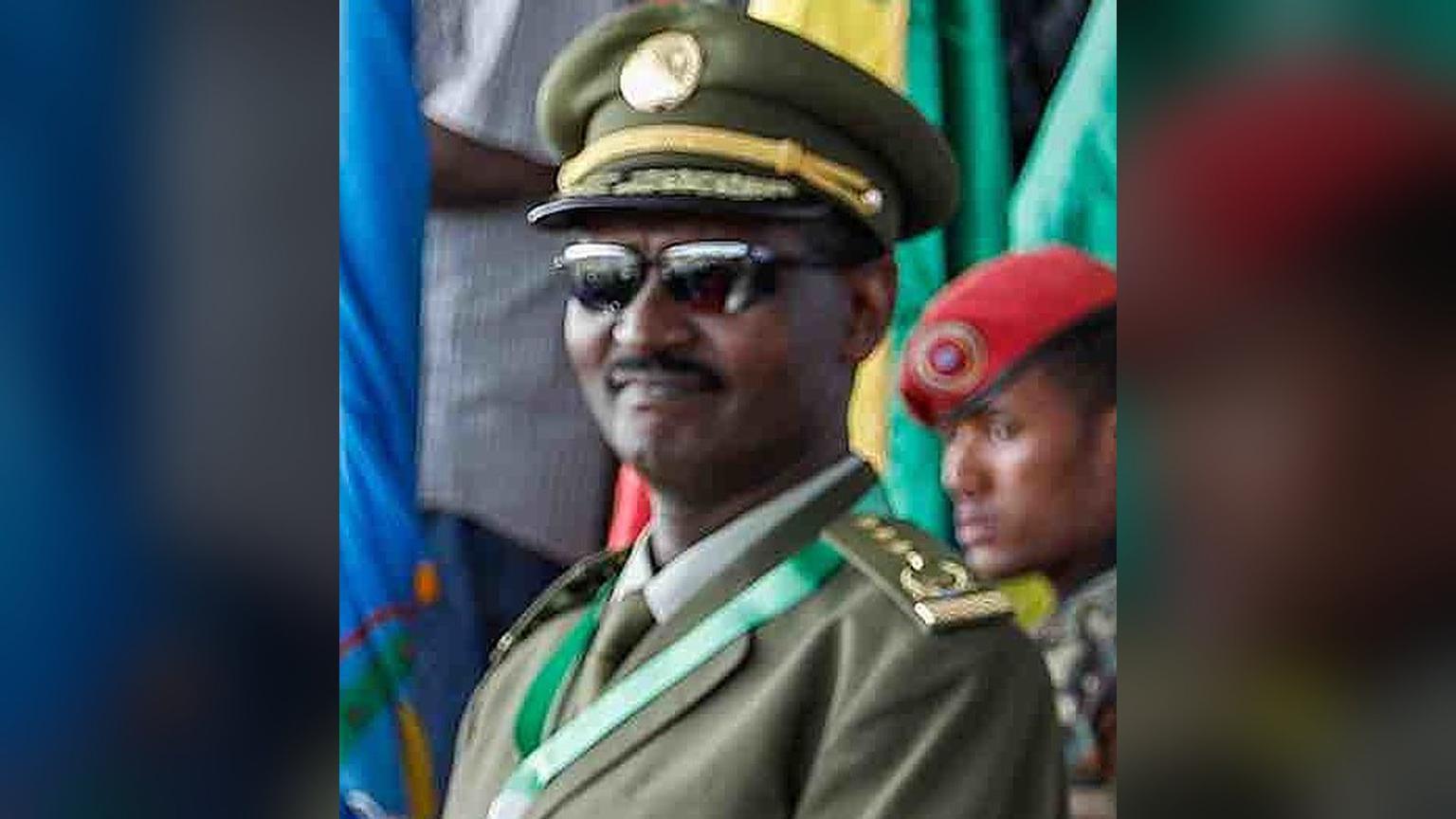
Ethiopia's army chief, Field Marshal Birhanu Jula, has accused Eritrea, Sudan and Egypt of backing a new alliance of armed groups, in an interview broadcast by the military.
Birhanu, chief of general staff of the Ethiopian National Defense Force (ENDF), spoke days after seven groups announced the Ethiopian Peoples' Forces Alliance for Survival on 20 September. Its members include the Tigray People's Liberation Front (TPLF), the Amhara Fano National Movement and the Oromo Liberation Army. He gave no public evidence for his claims.
He called the alliance "Tsimdo", a term Ethiopian officials have used for what they describe as a TPLF–Eritrea alignment. An Eritrean opposition figure described it in August as a coalition bound only by shared opposition to Addis Ababa. Speaking on the army's YouTube channel, Birhanu said, in translation:
Advertisement
"Neither Shaebia [Eritrea] nor the TPLF can achieve anything alone, even if they are allied, unless they are backed, supported and supplied by Sudan, Egypt and other external powers."
Another translation rendered the key phrase as "pushed, supported and supplied". He described Eritrea as the link between outside powers and armed groups inside Ethiopia and accused it of mobilising financial support for the TPLF.
Sudan's army rejected the accusation as "baseless" on 27 September. Its spokesman, Asim Awad Abdelwahab, said Sudan adhered to non-interference in other states' affairs and that the paramilitary Rapid Support Forces (RSF) received support from Ethiopian territory. A Yale research lab alleged in April that an Ethiopian military base near the Sudan border supported the RSF; Ethiopia has denied similar Sudanese allegations.
Egypt's Foreign Ministry spokesman, Nader Zaki, said on X that any claims casting doubt on Egypt's commitment to non-interference were "null and void", without naming Ethiopia. Eritrea's Information Minister, Yemane Meskel, accused Addis Ababa of shifting blame. Eritrea has repeatedly denied supporting the alliance's members.
On 1 October, Ethiopia closed its embassy in Asmara and ordered 10 Eritrean diplomats out, and Eritrea cut diplomatic ties. Ethiopia later told the UN Security Council that Eritrea had carried out an "all-out invasion" of Tigray, which Eritrea rejected as a pretext, as The Abay Times reported. UN News reported on 10 October that Secretary-General António Guterres was gravely concerned by the fighting and by reports of Eritrean forces in Ethiopia.