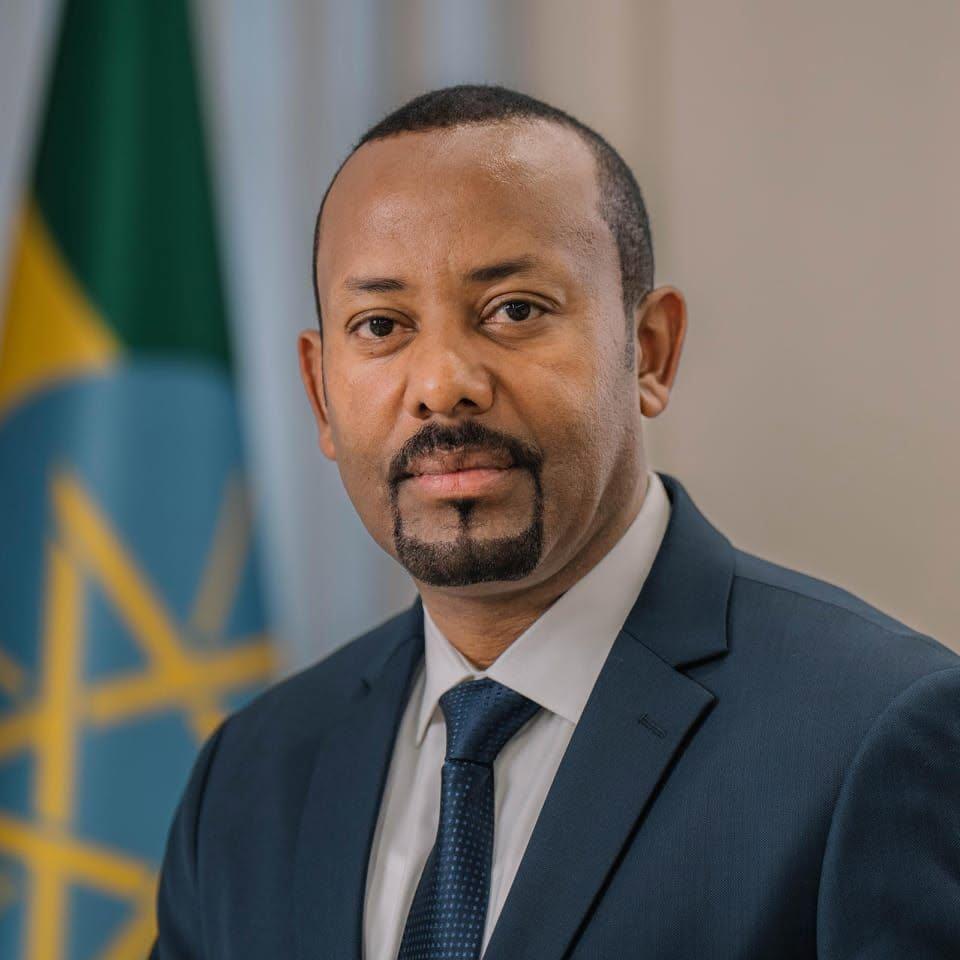
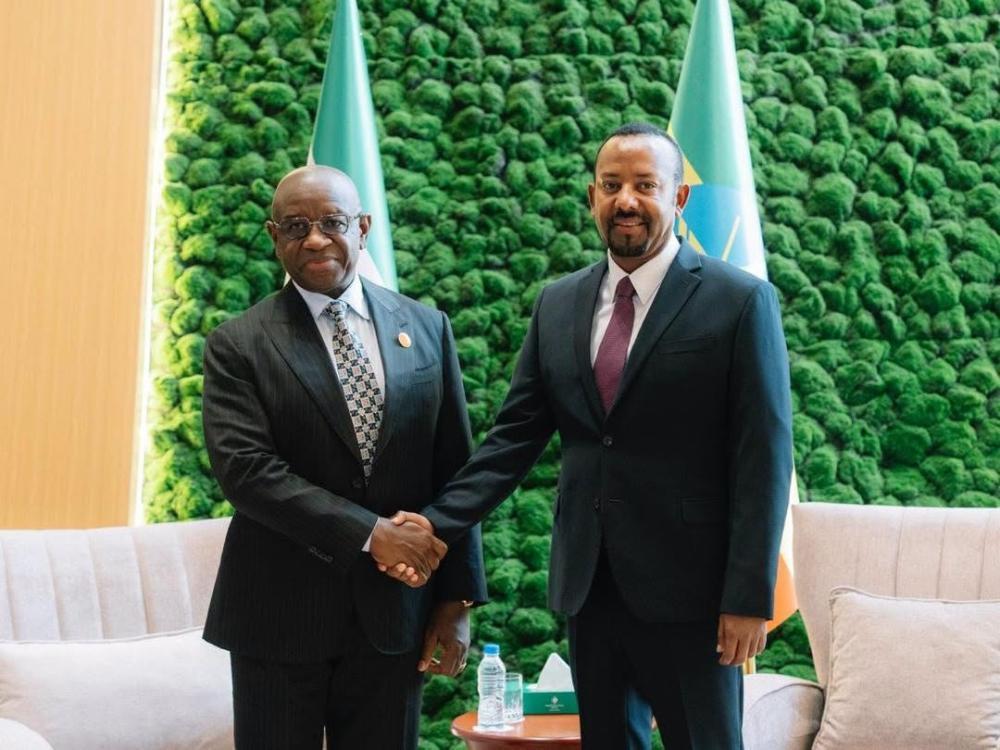
Sudan's army-aligned government on Wednesday, 25 November, rejected Prime Minister Abiy Ahmed's offer to host an inclusive Sudanese dialogue. It said Ethiopia could not be a neutral host because it is accused of backing the Rapid Support Forces (RSF).
The RSF-aligned Transitional Peace Government and the civilian coalition Sumoud welcomed the invitation on 24 November, the day Abiy made it.
In a statement carried by the state-run Sudan News Agency (SUNA), the army-aligned government accused Ethiopia of allowing RSF-linked drone operations from its territory to strike targets inside Sudan. It called for an independent investigation and said it reserved the right to take diplomatic and legal measures. It also urged the African Union and other regional and international actors to exclude Ethiopia from any arrangements to host or facilitate Sudanese talks. The government said the venue, agenda and facilitator of any peace process should be decided by Sudanese parties through consensus.
Advertisement
Ethiopia has consistently denied supporting the RSF and has accused Sudan of backing armed groups operating against the Ethiopian government.
Abiy's offer
On 24 November Abiy called on Sudanese military, political and civilian actors to join a dialogue hosted and sponsored by Ethiopia. Its stated aims were to end the war, build national consensus and pave the way for a national unity government. The war between the Sudanese Armed Forces and the RSF began in April 2023.
Abiy said Ethiopia was not driven by a political agenda or seeking gains at any Sudanese party's expense. "The true winner should be Sudan and its people," he said. He added that Ethiopia was prepared to stand "at the same distance as all parties" and that Sudan's future must be decided by Sudanese themselves.
Khalid Ahmed Dana, information minister and spokesperson of the RSF-aligned administration, said in a statement that it was ready to engage positively with the initiative. The statement praised Ethiopia's solidarity and described the invitation as an opportunity to end the war and address its causes. It reaffirmed the administration's commitment to "comprehensive, just, and sustainable peace". Sumoud, the Civil Democratic Alliance of the Forces of the Revolution, said Abiy's statement reflected deep historical ties between the Sudanese and Ethiopian peoples.
Separate mediation talks
The offer is separate from a meeting set for 25 November at the African Union Commission headquarters in Addis Ababa. The Sudan Founding Alliance, known as Ta'asis, said earlier in the week that it had sent a senior delegation for talks with the five-party mediation mechanism of the African Union, the United Nations, the European Union, the Arab League and the Intergovernmental Authority on Development (IGAD). The meeting was intended to address procedural concerns Ta'asis had raised and discuss ways to advance the political process.
Deteriorating relations
Relations between Addis Ababa and Sudan's army-aligned authorities worsened earlier in November. Ethiopia closed Sudan's consulate in Assosa and expelled Sudanese diplomats. Sudan then closed Ethiopia's consulate in Gedaref and expelled its staff.
On Sunday, 22 November, drone attacks on Khartoum damaged homes and a UN facility. Saudi Arabia, Qatar, Egypt, Kuwait, Jordan, the United States and the United Nations condemned the strikes, and Washington called for an end to the flow of foreign-supplied drones into Sudan. A Sudanese army source told the media the drones had been launched from Bahir Dar airport in Amhara region. That claim has not been independently verified.