The Japanese solar manufacturer TOYO has stopped bringing solar cells made at its Hawassa factory into the United States. A US Department of Commerce investigation into possible tariff circumvention is still open, and TOYO said it cannot yet tell whether the cells will face extra duties. Seven months after Prime Minister Abiy Ahmed inaugurated the plant's expansion, its role in supplying the American market is unsettled.
"So we are not bringing in cells because of that uncertainty," Rhone Resch, TOYO's chief strategy officer, said during the company's third-quarter earnings call on 16 November 2026. TOYO said it has secured enough cells from other countries to meet its committed solar-module deliveries in the United States through 2027.
TOYO's results, also disclosed on 16 November, show sales to North American customers of $65.8 million in the third quarter of 2026. They nearly halved from $131.3 million in the same quarter of 2025. The figures cover all of TOYO's sales to North American customers, not only cells shipped from Ethiopia, and the company has not attributed the whole decline to the investigation.
Advertisement
The investigation
The Commerce Department opened its inquiry on 17 July 2026. It followed a petition filed on 12 May by American solar manufacturers, including First Solar and Hanwha Q CELLS. The investigation concerns allegations that solar cells made or completed in Ethiopia with certain Chinese-origin components could be circumventing US antidumping and countervailing duties on Chinese solar products. It also covers some Ethiopian-made cells assembled into modules in Vietnam before they enter the US.
TOYO disputes the allegations. It says it does not use Chinese-origin wafers in its Ethiopian cell production, and it has submitted information on its manufacturing processes, sourcing, investment and the value added in Ethiopia. The company has been selected as a mandatory respondent and says it will continue to cooperate with US authorities while defending its position.
Under the original timetable, a preliminary determination was expected in December 2026 and a final determination in 2027, unless the proceedings are extended. TOYO management said on the November call that it expected imports from Ethiopia to resume more fully once the investigation is resolved. There has been no announcement that the Hawassa factory has closed or permanently suspended production.
The probe is separate from an earlier customs case. In May 2026, US Customs and Border Protection detained two shipments of Hawassa-made cells over suspicions involving forced-labour-related import restrictions. According to TOYO, the shipments totalled about 0.094 megawatts and were worth $13,770. TOYO announced on 29 October that the shipments had been released after it submitted documentation tracing the origin of its materials. That release did not settle the tariff question.
Contracts and results
Since mid-June 2026, TOYO has signed binding module-supply agreements with American customers worth about $240 million. Deliveries began in the third quarter and are scheduled to run through the first half of 2027. That figure represents TOYO's US module contracts. It is not a measure of Ethiopian export earnings or of revenue lost to the investigation.
TOYO's consolidated third-quarter revenue fell 4.8% to $129 million from $135.6 million a year earlier. Net income dropped to $4.3 million from $22.6 million. Gross margin was 16.6%, down from 25.7% a year earlier and 31.3% in the second quarter. Cell sales were $49.4 million in the quarter, alongside $55.4 million in module sales and $24.3 million in wafer sales, as modules and wafers took a larger share of the business.
A flagship export plant
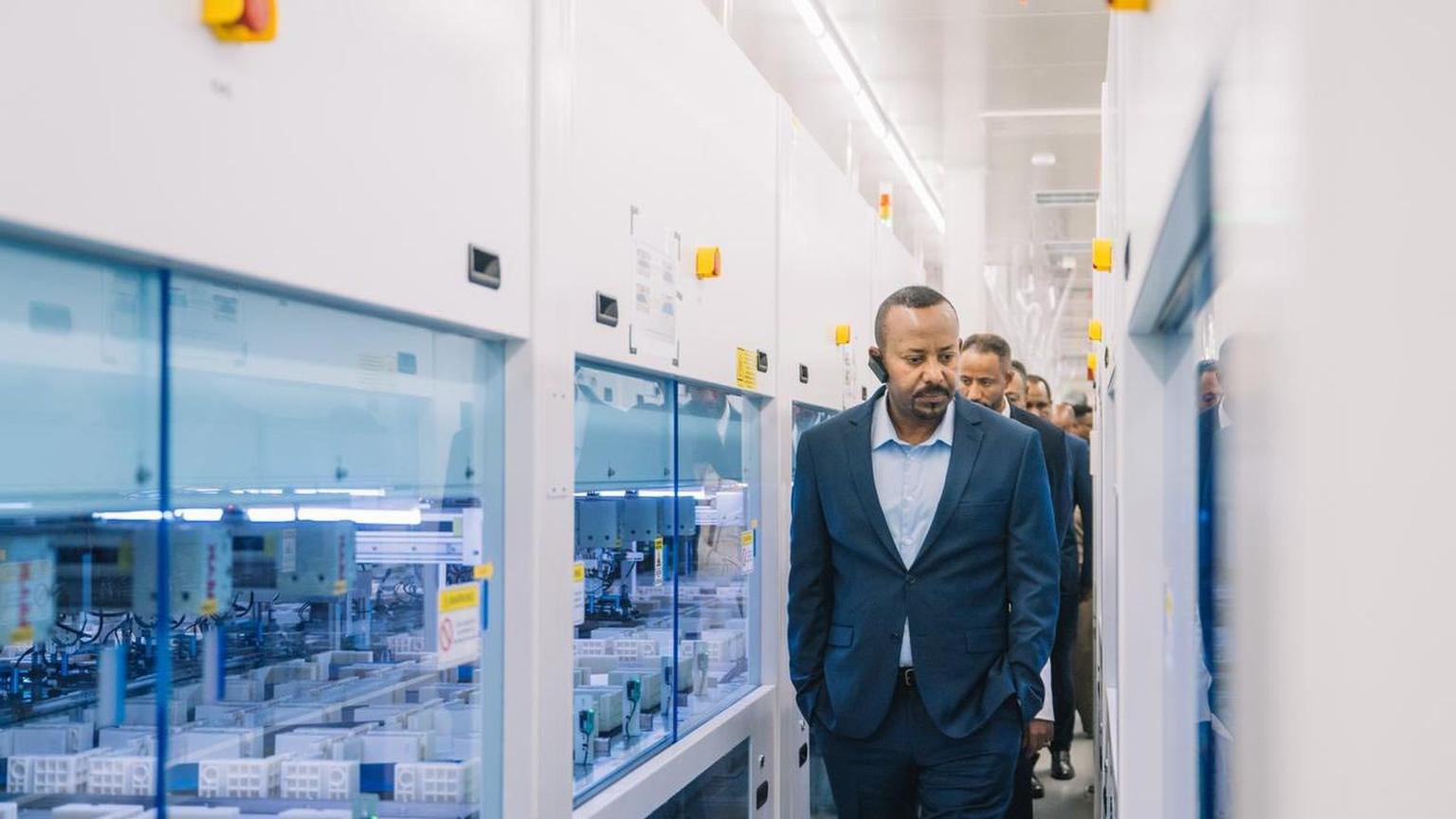
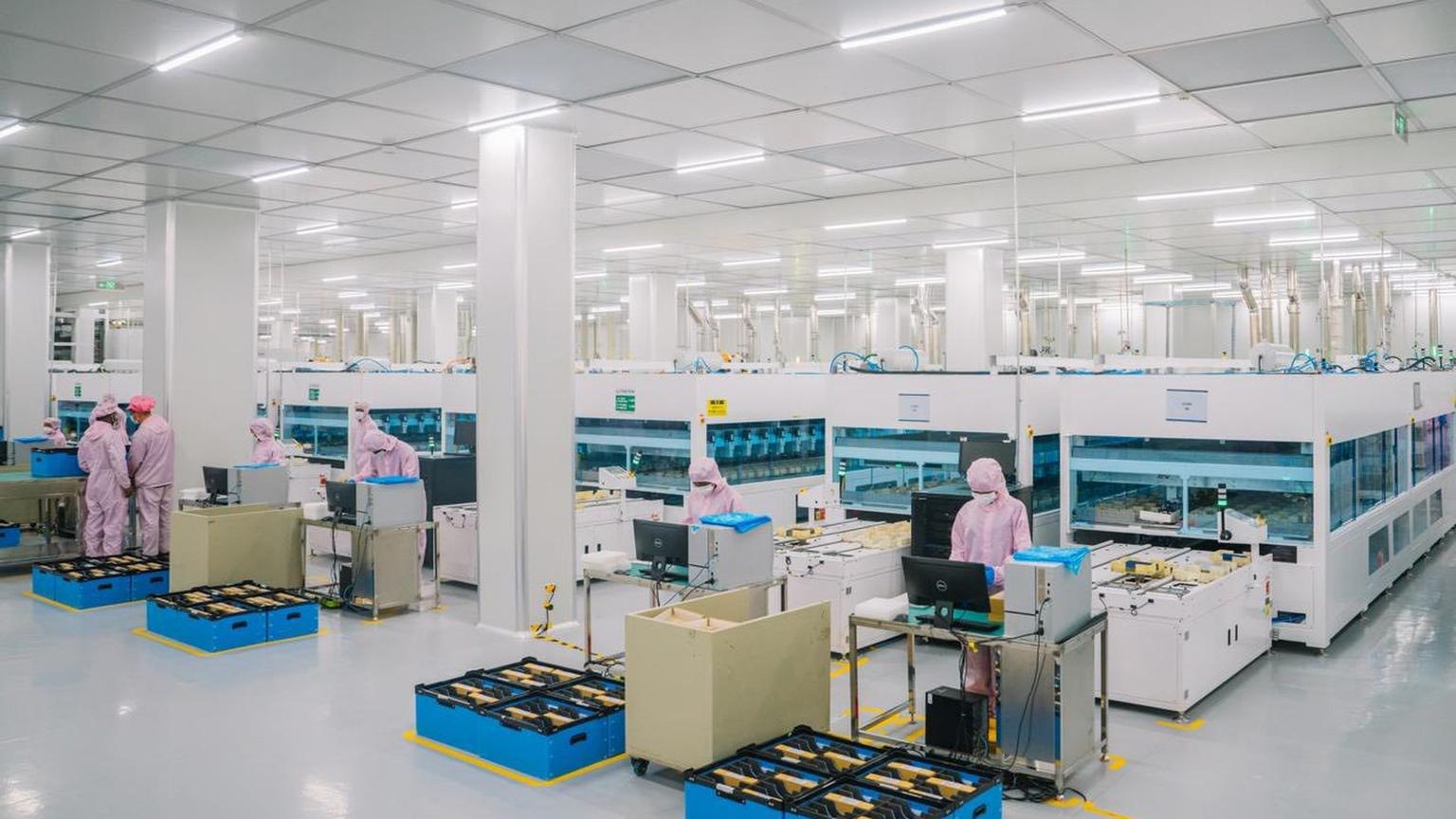
According to the Government Communication Service, TOYO invested about $170 million in the Hawassa facility, which has annual capacity of four gigawatts. The factory reached that capacity in October 2025. Abiy inaugurated the second-phase expansion on 25 April 2026, alongside other solar and industrial projects at Hawassa Industrial Park.
The plant makes photovoltaic cells rather than assembling imported panels. Other factories then incorporate the cells into modules. On a visit in August 2025, Abiy said: "This operation is expected to contribute a significant share to manufacturing exports." TOYO's financial statements show that its Ethiopian subsidiary has a four-year corporate income tax exemption covering 2025 to 2028.