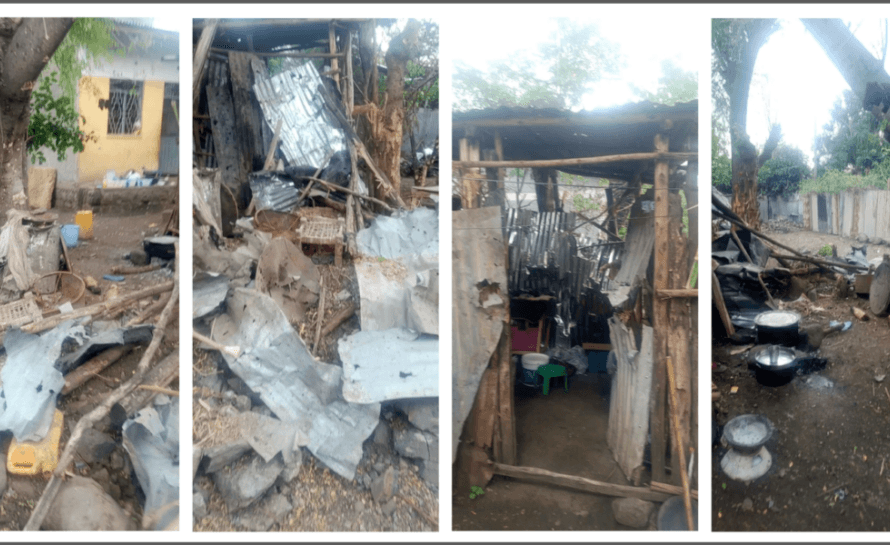
Amnesty International on 23 November called for artillery attacks on Alamata, a city in southern Tigray, to be investigated as possible war crimes. It said Ethiopia's military and the allied Tigray Peace Forces (TPF) carried out the attacks between 26 and 28 September.
The rights group said in a statement that the shelling killed dozens of civilians and injured many more. It investigated four incidents and said it had independently verified the deaths of 14 civilians, three of them children.
Amnesty also accused forces affiliated with the Tigray People's Liberation Front (TPLF) of putting civilians in harm's way. It said they set up military bases in populated residential areas, including several schools, before fighting resumed. The TPLF rejected that accusation.
Advertisement
"For three consecutive days, the ENDF and TPF repeatedly shelled Alamata in total disregard of the lives of its 80,000 inhabitants. The use of artillery, a weapon with wide-area effects, in densely populated neighbourhoods has a terrible impact on civilians. Indiscriminate attacks violate the rules of international humanitarian law, and these strikes must be investigated as war crimes," said Yasmine Ahmed, Amnesty International's Senior Director, Regional Human Rights Impact.
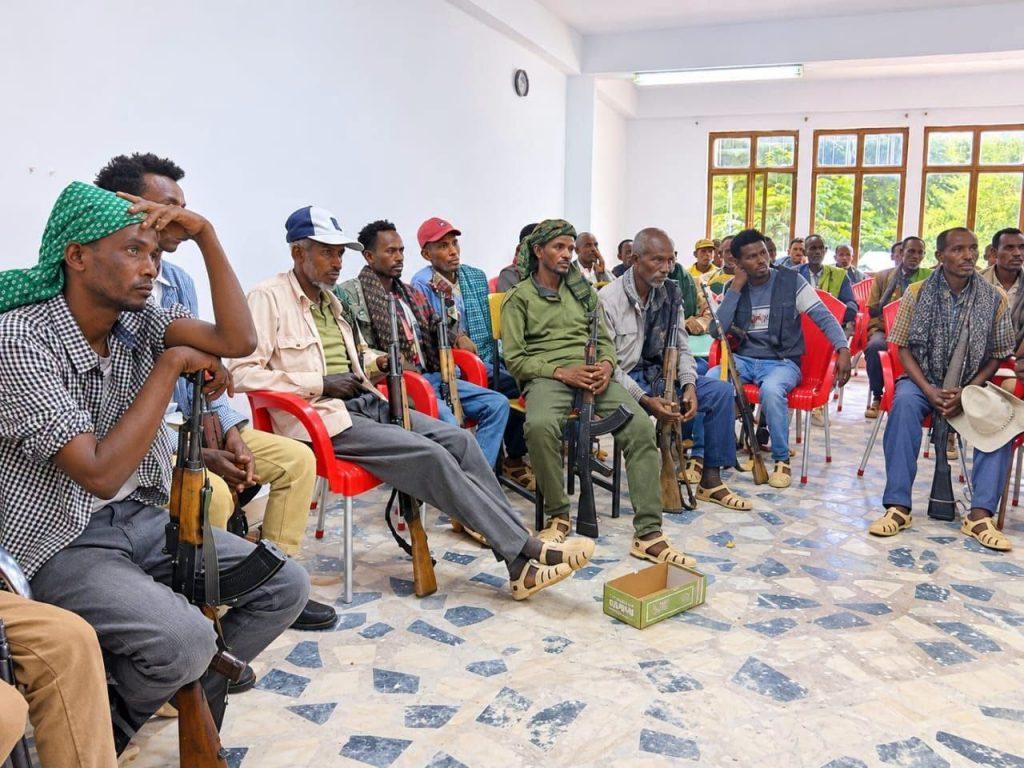
The TPF is a Tigrayan militia that backs the federal government. Ethiopian National Defense Forces (ENDF) and TPF troops seized Alamata from the TPLF on 28 September. Amnesty described the city as a key supply hub for troops, food and fuel. Alamata is also claimed by Amhara Region.
Amnesty said its researchers interviewed 28 people, including survivors, witnesses, relatives of victims and humanitarian and medical staff. Its Evidence Lab analysed eight videos, 17 photographs and satellite imagery of the site.
Seven killed in one neighbourhood
Amnesty said the artillery was fired from the Waja and Timuga area, about 13 kilometres south of the city. It based this on interviews with residents and two sources with knowledge of military movements.
In one strike on the morning of 27 September, shells hit five houses in a densely populated area of Kebele 04 known as the condominium neighbourhood, according to the report. Seven people were killed and four injured. The dead included a 26-year-old mother of two, her eight-year-old son and her brother, all killed at home. Her two-year-old child survived with minor injuries. Four members of one family, including two children, were killed in a neighbouring house.
Amnesty said the damaged houses were about 150 metres from a hotel where, residents said, TPLF fighters had been staying. A day earlier, on 26 September, the Demera festival, at least three people were reported killed when a bar in Kebele 02 was hit.
A medical worker at Alamata hospital during the three days told Amnesty that almost all those wounded were civilians. The worker said most injuries appeared to have been caused by fragments from explosive weapons.
Amnesty's independently verified toll is lower than figures given at the time. BBC News Amharic reported then that a hospital source and residents said more than 50 people had been killed in shelling during four days of heavy fighting in Alamata in late September.
Schools used as bases, residents say
Six people told Amnesty that TPLF fighters had used almost all of Alamata's schools as military bases in the months before fighting resumed. Witnesses said schools close to residential areas were later used for military operations, including firing heavy weapons. All the residents interviewed said the TPLF gave no warnings or evacuation orders to people living nearby.
A resident living near Alamata Preparatory School said an ENDF drone struck the school on 22 September. TPLF fighters fired heavy weapons from the school to stop ENDF and TPF forces entering the city until they withdrew on 28 September, according to the report. Amnesty said the TPLF had heavy weapons, but that the likelihood it carried out the shelling of the city was very low.
Amnesty said the TPLF's conduct may violate international humanitarian law. It added that this does not relieve the army and its allies of their own obligations and cannot justify the indiscriminate use of explosive weapons in populated areas.
Denials and calls for access
Amnesty said it wrote to the ENDF, TPF and TPLF on 27 October and shared its findings with the ENDF and TPF on 17 November. Neither had responded by the time of publication. The TPLF replied in a four-page letter sent on 18 November, rejecting the allegations as unfounded. It said further independent and impartial investigation was needed before conclusions on accountability were drawn.
A TPF spokesperson told Reuters that the group's fighters were not on the front lines during the battle. Spokespeople for the federal government, the ENDF and the TPLF did not respond to Reuters' requests for comment. The army and the prime minister's spokeswoman did not respond to AFP.
Amnesty urged the UN Human Rights Council to establish an independent mechanism to investigate crimes under international law and hold those responsible to account. It also called on Ethiopian authorities to give independent international monitors, journalists and humanitarian organisations unhindered access to conflict areas.
Fighting between pro-government forces and the TPLF erupted on 23 September, rekindling the 2020–2022 war in Tigray. Federal forces and their allies captured Mekelle, the regional capital, less than a week after taking Alamata. According to BBC News Amharic, fighting was continuing in border areas as of 24 November.