Fighting along the disputed boundary between Ethiopia's Afar and Somali regions resumed in November. People on the Somali side say drought alone does not explain the violence. They point instead to unsettled land claims, armed control of grazing routes and the sidelining of the elders who once settled disputes.
Those accounts come from interviews Addis Standard conducted with residents and displaced people in Sitti Zone, Somali Region. The outlet said the latest escalation had gone largely unreported and was part of a conflict that has stayed unresolved for years, not an isolated flare-up.
Heavy weapons in Arga'ato
Clashes were reported in November in Arga'ato, Haruka and Abida, with civilian casualties on both sides. Ahmed Sheku, who said he was in Arga'ato during the fighting, told DW Amharic that the confrontation was more severe than earlier ones. He alleged that a force armed with mortars, ZU-23 guns and other heavy weapons had arrived and attacked at about 10pm. He said Afar communities had suffered casualties and that the fighting was continuing.
Advertisement
Others who spoke to DW Amharic said fighting had gone on for nearly a month before briefly subsiding, then resumed with night attacks and cattle raids around Haruka and Abida. One said heavy weapons fire had struck an eight-year-old child. Another said fighting paused for burials after a week of continuous clashes. A resident reported fighting near Gadamaytu, about five kilometres from Galaalu.
Grazing routes become front lines
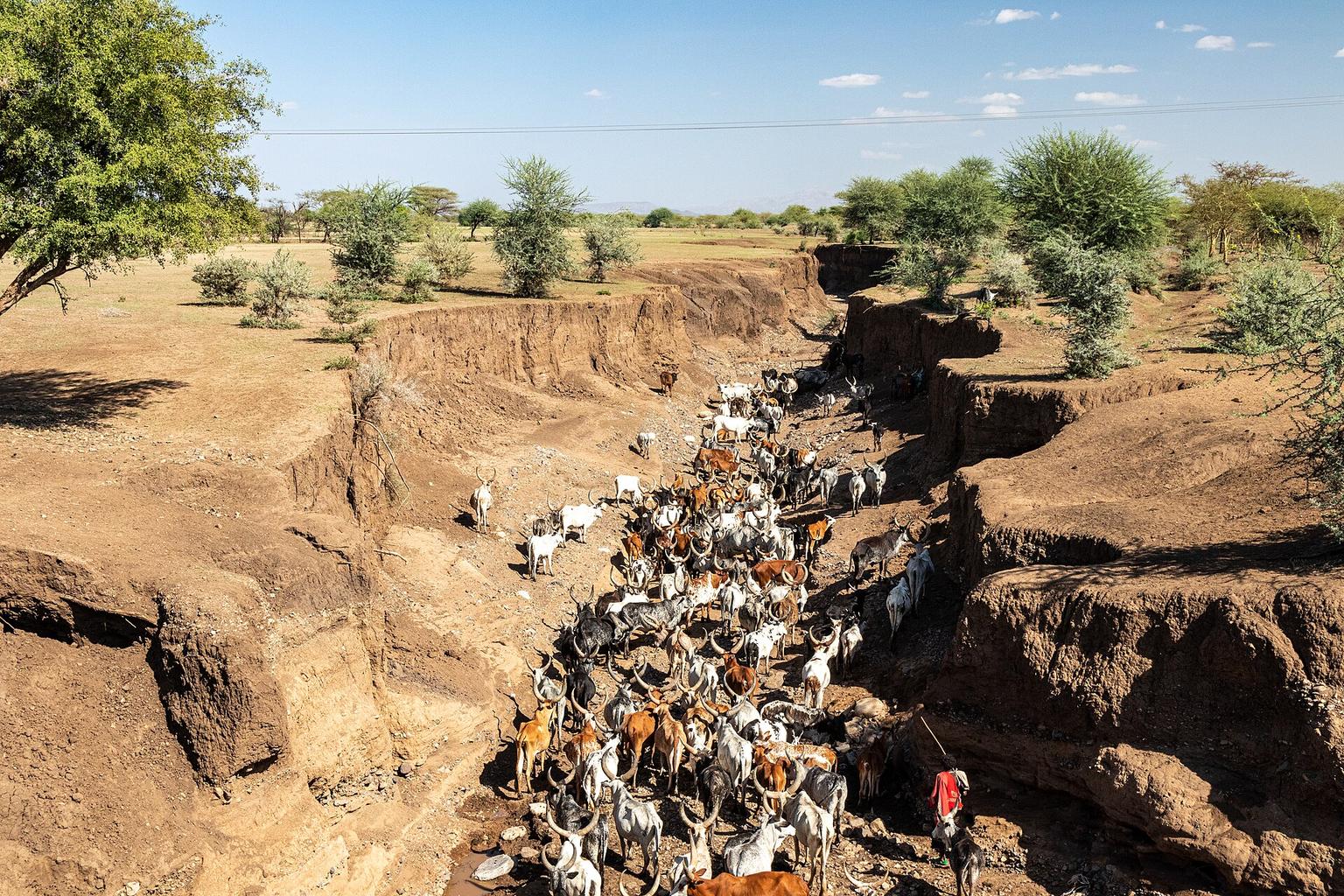
One Somali interviewee, speaking to Addis Standard from Dire Dawa, said the escalation had been building for two to three months as rain failed. Herders who tried to move livestock to familiar pastures were increasingly stopped by armed forces and militias, he said.
"The cattle know where grass and water are," he said. He alleged that "federal forces and Afar militia had restricted access" and that "cattle theft and killings were occurring on both sides". Addis Standard said it could not independently verify the allegations of federal involvement and regional force mobilisation.
He described a dispute that drought had made worse but had not created. Clashes between Afar and Issa communities were once handled by elders, he said: "There are always problems. There is always conflict. But if there was a conflict, the elders would sit down and resolve it. Now, however, it has been politicized. This is the problem."
Another interviewee described contested territory stretching roughly "100 kilometers", with sporadic killings and livestock theft over weeks and months. Elders who once negotiated access had been "replaced by political and military actors", the interviewee said, which made local confrontations harder to contain.
Elsewhere in the region, the Famine Early Warning Systems Network has projected that remote parts of northern Afar could deteriorate into Emergency (IPC Phase 4) food insecurity between February and May 2027, citing drought, renewed insecurity and trade disruptions with Tigray.
An agreement unpicked
The current territorial dispute centres on a 2014 agreement. That year, an agreement reached under the administration of the then Somali regional president, Abdi Muhamud Omer, widely known as Abdi Iley, transferred three kebeles to Afar Region: Gadamaytu (also called Garba Issa), Undafo (Undhufo) and Adaytu (Adayti).
In May 2019, the Somali regional cabinet under its newly installed president, Mustafe M. Omer, withdrew from the agreement unilaterally. It argued that the transfer was unconstitutional, lacked the consent of the communities affected and had been secured through coercion.
Violence followed. In December 2020, the two regional governments traded accusations after reports of deadly attacks, including claims that members of the Somali regional special forces had been killed by Afar forces. The Somali regional government accused its neighbour of targeting civilians. Afar officials described the attacks as terrorism by organised Issa groups.
In April 2021, the regional presidents, Awol Arba of Afar and Mustafe Omer, met in talks chaired by the then federal peace minister, Muferihat Kamil, and agreed to resolve the disputes. The dispute soon reached the ballot box. In 2021 the National Election Board of Ethiopia cancelled 30 polling stations across eight disputed kebeles after competing claims over polling locations, a decision both regional administrations objected to.
Displaced, then displaced again
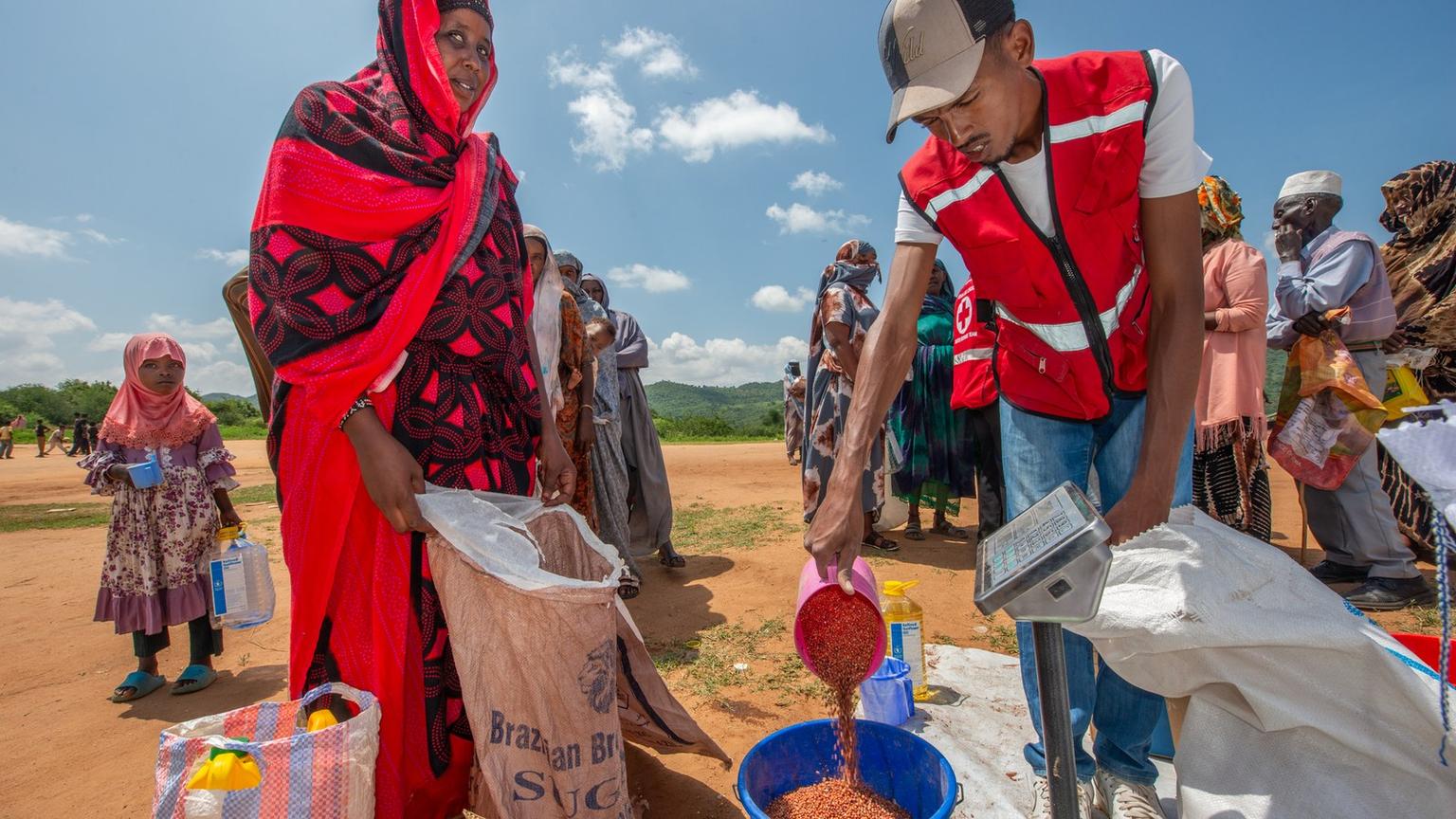
The accounts describe displacement that has become cyclical. One man from Garba Issa, now living in Qeref, told Addis Standard his family was uprooted around 2020 and has not returned. Residents alleged that in the current fighting armed groups had taken livestock, destroyed property and killed civilians, including children tending animals. They gave no verified casualty figure but said people had been killed and injured in areas including Duñur and Undufo.
"The only wealth they have is goats and their cattle," they said of displaced families.
The resident said communities displaced along the corridor linking Ethiopia and Djibouti had stayed in camps for years, some since 2019, with little or no aid. According to a further interview conducted on 23 November, more than 400 displaced people were still living in difficult conditions in camps around Undufo and nearby areas, a figure Addis Standard said it could not verify. Earlier rounds of violence on this border have disrupted the Ethio-Djibouti railway.
Why mediation has not held
Federal officials, religious leaders and elders have periodically convened reconciliation forums. Each settlement so far has left the core questions of who administers the three kebeles and who may graze where unanswered.
New administrative decisions have added to the strain. In August 2025, the Afar People's Party condemned a decision by the Somali Regional Council to create 14 new woredas and four new zones, alleging it violated Afar's territorial integrity. The same decision heightened tension with Oromia around Moyale, where fighting since 18 October has displaced nearly 700,000 people, according to an estimate by Islamic Relief Ethiopia.
Sitti Zone itself faces pressure from more than one direction. In November, Somali accounts on X citing the regional broadcaster Waaruf TV said Oromia regional police had attacked Ruuqi village in the zone's Afdem district, according to Mereja, which said it could not confirm the claims.
In this analysis, the residents' accounts describe a conflict that drought has intensified but that an unresolved territorial dispute, sharpened by the 2014 kebele transfer, continues to drive. Armed actors now stand where elders once negotiated. Until the status of the disputed kebeles, access to grazing and the return of displaced families are settled, one interviewee warned, the conflict risks becoming further entrenched. When Addis Standard published its report, neither the Afar nor the Somali regional government, nor the federal government, had commented publicly, and the outlet said its attempts to obtain comment were unsuccessful.