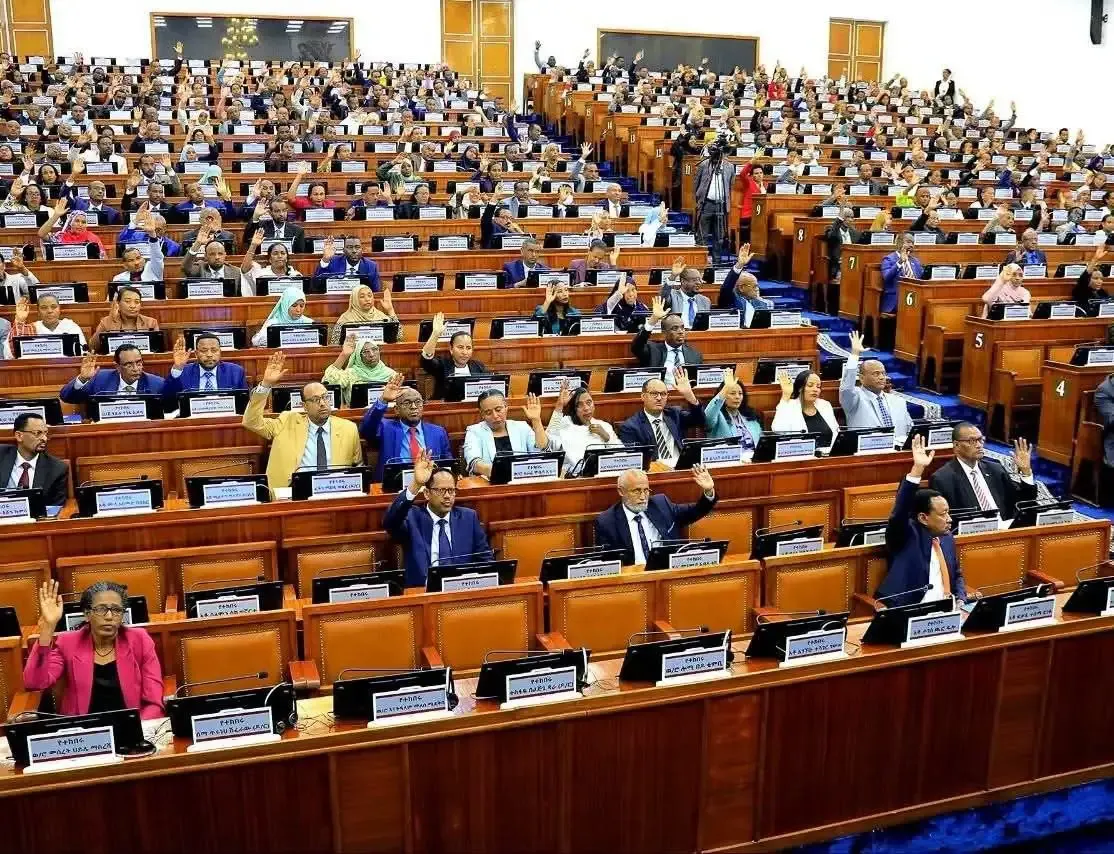
A member of Ethiopia's House of Peoples' Representatives on 26 November urged the government to draft a permanent law under which Ethiopians who collaborate with Egypt against the country would be prosecuted for treason.
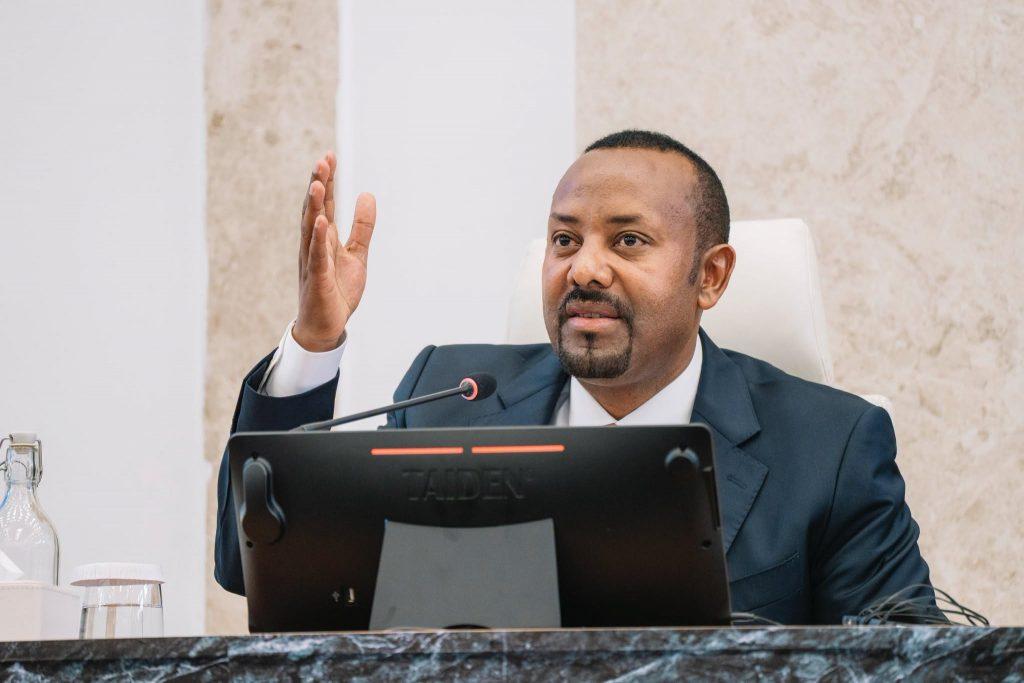
Kejela Merdassa made the proposal while questioning Prime Minister Abiy Ahmed in parliament on regional peace and security, Ethiopia's quest for maritime access, and the activities of Egypt and Eritrea. He asked the executive to prepare legislation for parliament to approve. He argued that people who accept support or assignments from Egypt to destabilise Ethiopia should be held accountable for treason.
"There must be a permanent legal framework that holds domestic traitors who collaborate with Egypt to attack Ethiopia accountable for the crime of treason," Kejela said.
Advertisement
He accused Egypt of pursuing an undeclared war against Ethiopia. He alleged that Cairo was trying to stop Ethiopia from securing its water rights, particularly over the Blue Nile, Baro-Akobo and Tekeze rivers, and was opposing its efforts to gain access to the sea.
Kejela alleged that domestic actors were receiving training and logistical, financial, security and moral support from Egypt to undermine Ethiopia's sovereignty, territorial integrity and national unity. He did not identify the individuals or groups he accused.
He also asked what stage the government's pursuit of maritime access, which he described as a legal and natural process, had reached, and what support parliament and other stakeholders were expected to give. On Eritrea, he called on Abiy's administration to take a leading role in shaping regional peace and security while pursuing what he called a new chapter of mutual prosperity between the peoples of Ethiopia and Eritrea.
Other lawmakers at the session sought clarification on the government's position towards what they described as Eritrea's support for forces seeking to destabilise Ethiopia. They also raised insecurity, civilian killings and displacement in several regions.
The session followed several weeks of public statements on Nile water from both countries. Water and Energy Minister Habtamu Itefa told the Ethiopian News Agency (ENA) on 8 November that Egypt's efforts to block Ethiopia's projects on the Abay (Blue Nile) and isolate it from the Red Sea were no longer effective. On 24 November he urged Egypt to modernise its water management and to consult Ethiopia before starting projects involving shared waters. In a televised debate with an Ethiopian MP, reported on 16 November, Egyptian senator Mahmoud Moslem said Egypt would defend its share of Nile water whatever the cost. Egypt, Ethiopia and Sudan have not concluded a legally binding agreement on the filling and operation of the Grand Ethiopian Renaissance Dam.
Egypt has also stepped up coordination with Eritrea and Sudan. The three countries held trilateral talks on Red Sea security and regional sovereignty on 21 November. Reports in mid-November described a military build-up and clashes near Badme, on the Ethiopia-Eritrea border.