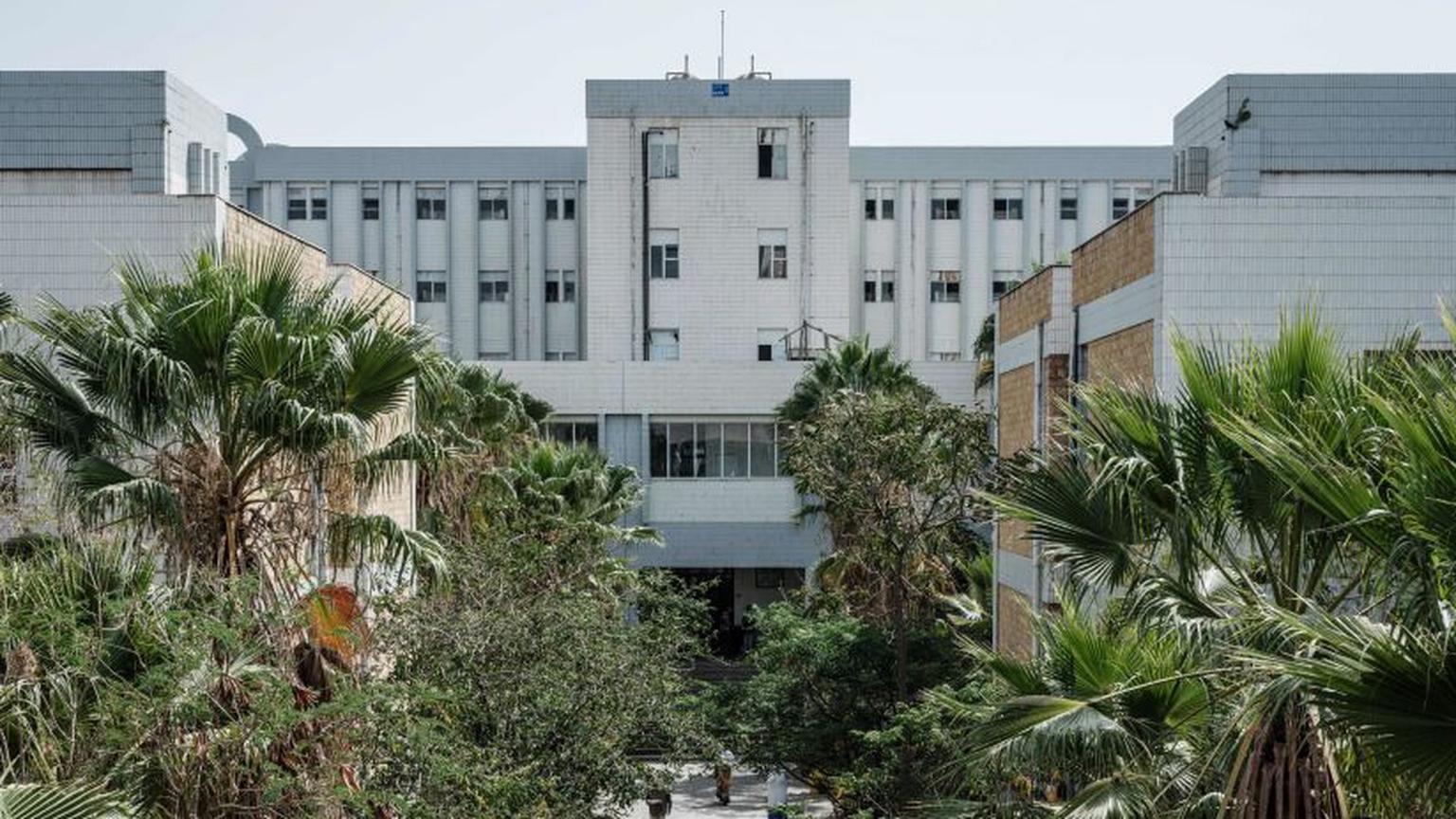
Civilians wounded in continuing fighting in Tigray have been arriving almost daily for several weeks at Ayder Hospital in Mekelle, a surgeon there told Radio France Internationale (RFI) in a report published on 23 November. RFI describes Ayder as the country's second-largest health facility.
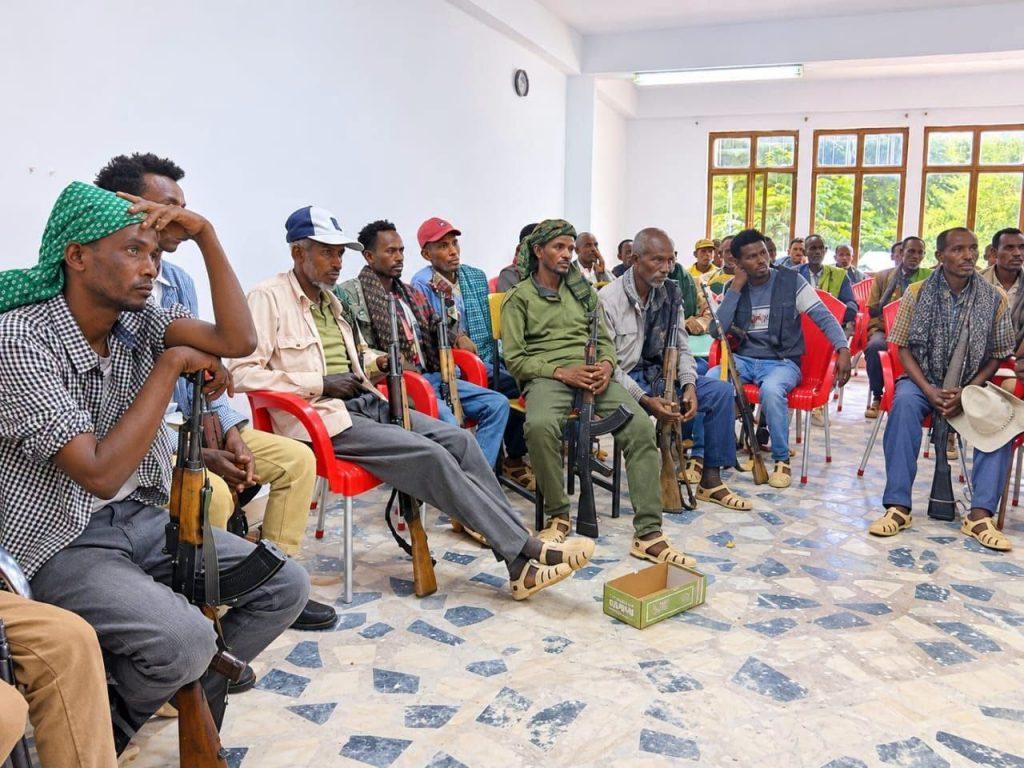
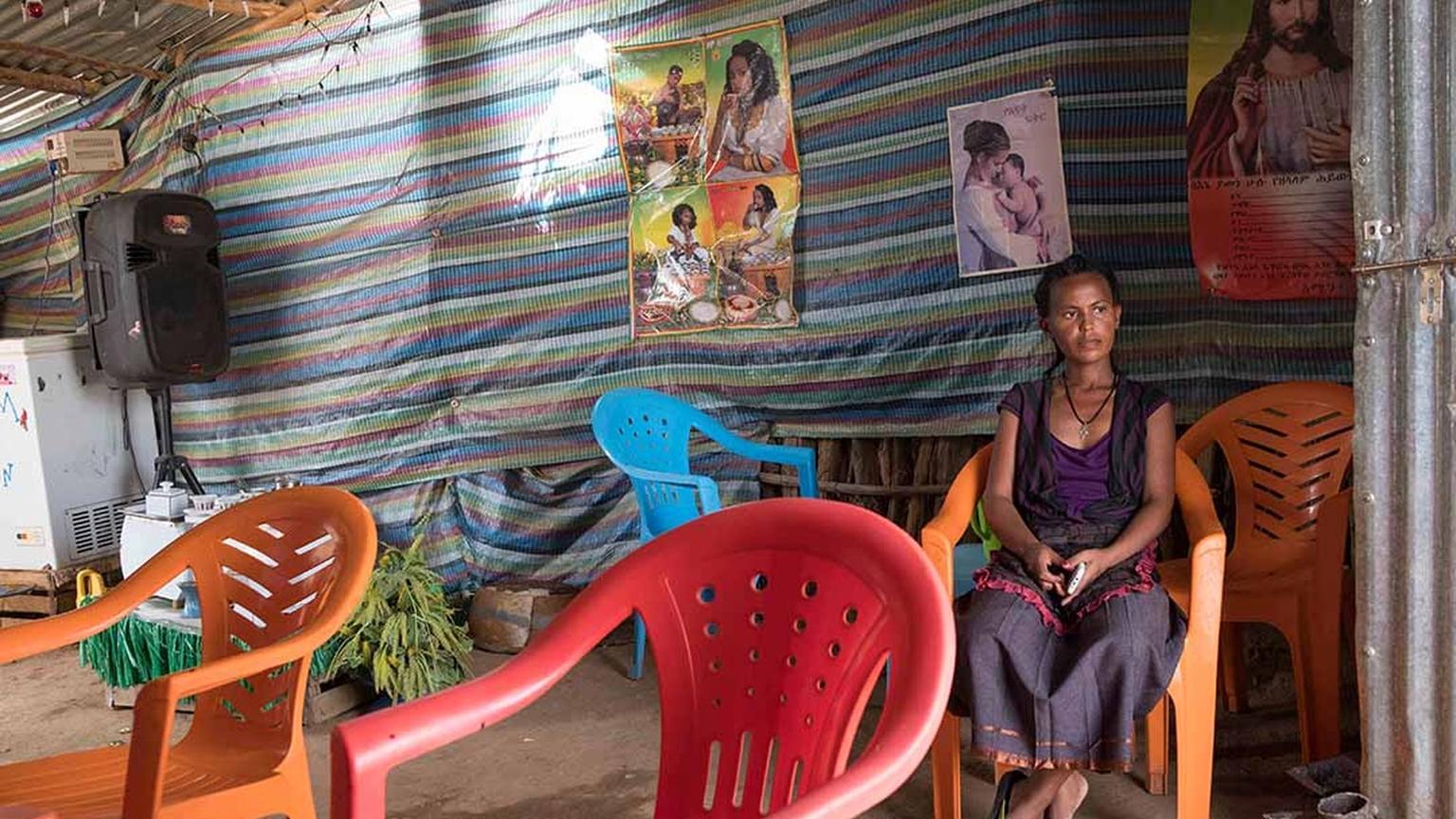
In Mekelle, life has slowly resumed more than a month after the federal army and its allies retook the city. Schools have reopened and economic activity is restarting, according to the RFI report. In several parts of the region, troops of the Tigray People's Liberation Front (TPLF) are still fighting Ethiopian forces.
The wounded come from rural areas of southern and central Tigray, where some TPLF fighters have retreated.
Advertisement
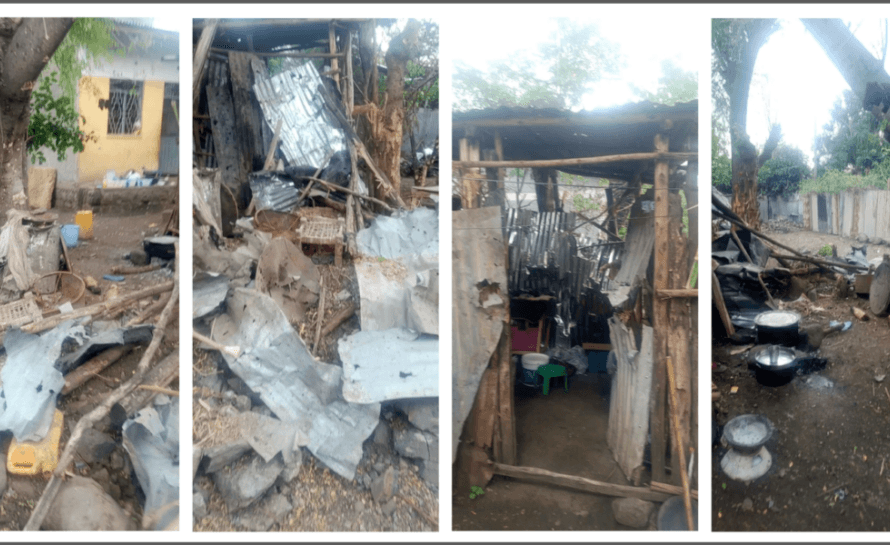
Abraha Gebregziabher, a paediatric neurosurgeon at the hospital, told RFI that many patients have injuries from drone attacks and from explosive devices that detonated after the fighting had passed. He said the hospital had treated patients with amputations, eye injuries and facial trauma, including fractures.
He said he had been told that some people travelling from areas contaminated by explosive devices died on the way to the hospital. In the week before the report, one person arrived at the hospital already dead, he said.
Staff are treating these patients during a shortage of medicines that has affected Tigray for a year. Abraha said tensions between Tigray's regional authorities and the federal government had steadily reduced both the volume and the range of medicines held at the distribution centre in Mekelle. Antipsychotics and antidepressants are among the drugs that have run out, and he said the shortage was causing great suffering for the patients who need them.
The pressure on Tigray's health services had already been reported earlier in November. A report by the US broadcaster NPR, published on 10 November and cited by Addis Standard, said renewed fighting had overwhelmed hospitals and disrupted medical services in the region, with medical workers warning that civilians increasingly risked being left without emergency treatment.
The federal government and the TPLF signed a cessation of hostilities agreement in Pretoria in November 2022, two years after war broke out in November 2020.