Ethiopia and Eritrea have exchanged accusations of aggression at the UN Security Council, as Ethiopian government and allied forces advanced across Tigray and two senior US lawmakers warned the neighbours were moving towards renewed conflict.
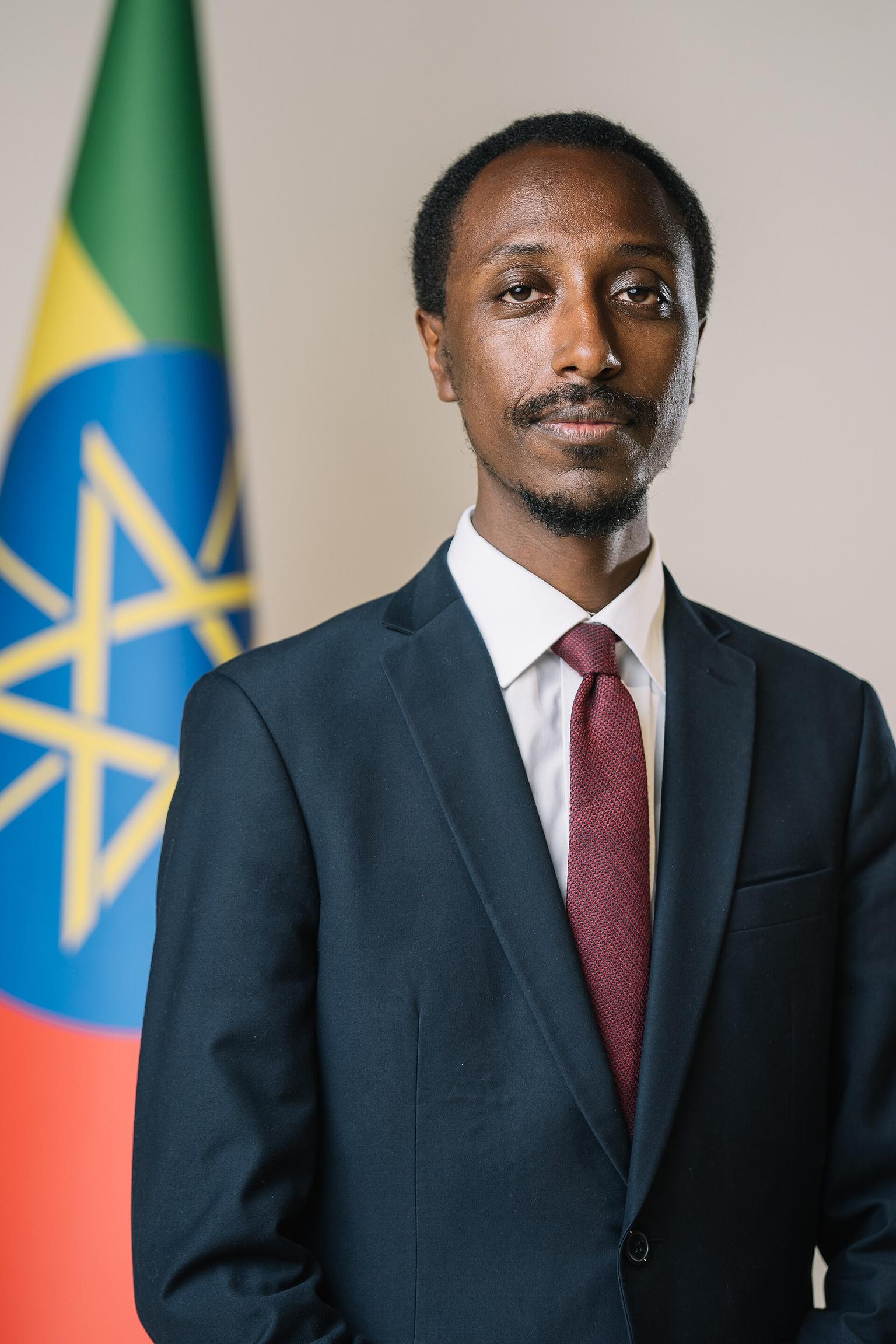
Ethiopia told the Security Council on Friday that Eritrean troops had advanced as far as 60km (37 miles) into Tigray, accusing its neighbour of violating its sovereignty. In a letter, Ethiopian Foreign Minister Gedion Timothewos described the alleged incursion as "a blatant act of aggression that engages Ethiopia's inherent right to self-defence". He invoked Article 51 of the UN Charter, which recognises a country's right to self-defence, but did not specify what measures Ethiopia was taking. The letter described what Gedion called an "all-out invasion" of northern Ethiopia.
Eritrea rejected the accusations of incursions, calling them a pretext for an Addis Ababa offensive. Eritrean Foreign Minister Osman Saleh, in his own letter to the council on Saturday, urged the body to condemn Ethiopia's "deplorable declaration of war" and take "deterrent measures", warning that an Ethiopian offensive would cause "huge devastation to the peoples of both countries and destabilise the whole region".
Advertisement
Eritrea's Information Minister Yemane Gebremeskel said on X that Ethiopia had waged "an unprovoked war of aggression" against Eritrea for more than three years.
In Washington, Representative Gregory Meeks of New York, the ranking member of the House Foreign Affairs Committee, and Representative Sara Jacobs of California, the ranking member of the Africa Subcommittee, issued a joint statement on Thursday citing threatening rhetoric from both governments and ongoing fighting across Ethiopia's Afar, Amhara, Oromia and Tigray regions.
"Ethiopia and Eritrea are approaching a dangerous path toward renewed conflict," the lawmakers said.
They called on both governments to honour the 2018 Jeddah Peace Agreement and urged the Trump administration to take active diplomatic steps to prevent escalation. The State Department has not publicly outlined any current diplomatic initiative focused on the Ethiopia-Eritrea relationship, according to reports. Tens of thousands of Ethiopian and Eritrean Americans live in the Washington, DC metropolitan area.
UN Secretary-General António Guterres, through his spokesman, said he was "gravely concerned" by the renewed fighting in Tigray, Afar and Amhara. He urged all parties to cease hostilities and return to dialogue under the 2022 Pretoria Agreement, voiced concern about reports of Eritrean forces in Ethiopia, reminded states not to use force against another state's territory and offered his good offices.
A coalition of more than 30 rights groups, including Human Rights Watch and Amnesty International, has asked the UN Human Rights Council to hold a special session, warning of a repeat of the atrocities documented in the 2020–2022 war.
Fighting escalated on 23 September when a rebel alliance including the Tigray People's Liberation Front (TPLF) launched attacks on government forces across Tigray, Amhara and Afar. The rebels captured Mekelle and its airport before announcing their withdrawal on 3 October, and government-allied forces subsequently entered the city.
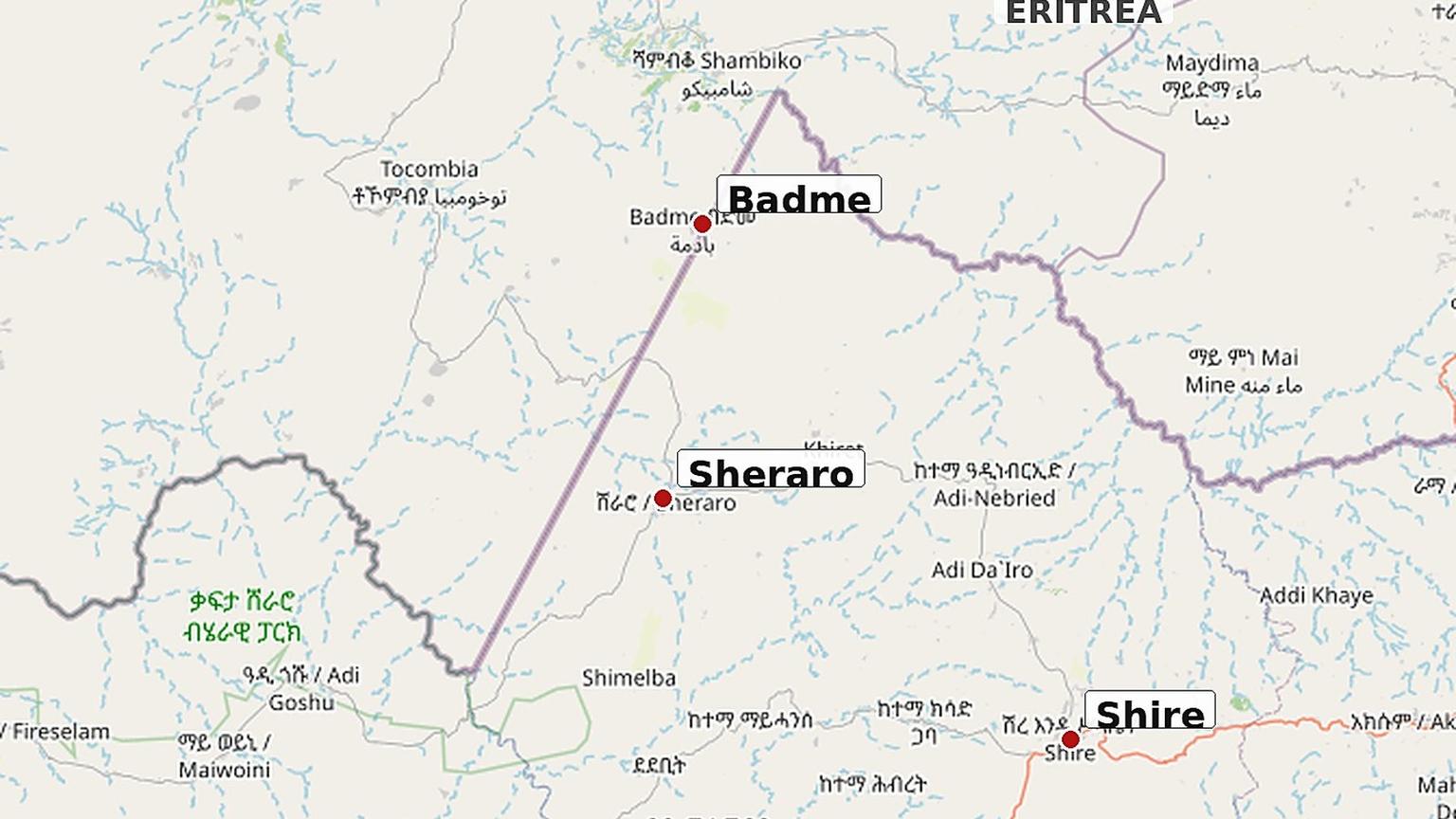
Government and allied forces took Idaga Hamus early on Friday and Abiy-Adi, in the Tembien area, on Thursday afternoon, according to Ermiyas Ababu, a commander of the government-allied Tigray Peace Force. Residents also reported the takeover of Idaga Hamus. Ermiyas previously reported Eritrean personnel entering Adigrat on Tuesday and Idaga Hamus on Wednesday, citing reports from his personnel; those claims could not be independently verified.
The Armed Conflict Location and Event Data Project (ACLED), a US-based conflict monitor, reported that Eritrean troops crossed into Ethiopia near Zalambessa and came under Ethiopian drone attack while advancing towards Idaga Hamus. Eritrea has yet to comment on that report.
Residents in Adigrat said they had seen soldiers they identified as Eritrean. The Critical Threats Project, a US-based research programme, said it could partly corroborate reports of an Eritrean advance and a later withdrawal but could not fully confirm them, and judged any incursion "likely limited". Analysts said it was unclear whether Eritrean troops had pulled back inside Eritrea or only repositioned. The UN said there were no verified casualty figures for drone strikes near Adigrat, and an Ethiopian official's claim in a television interview that "many Eritrean soldiers have been killed and captured" has not been confirmed.
Ethiopian troops and allied militia entered Adigrat, about 30 kilometres from the Eritrean border, on 10 October, according to residents. Who controls the city could not be independently verified; the Tigray Peace Force says it holds it.
Addis Ababa accuses Asmara of financing, arming and directing armed groups and of deploying troops inside Tigray. Eritrea denies the allegations, which have not been independently verified.
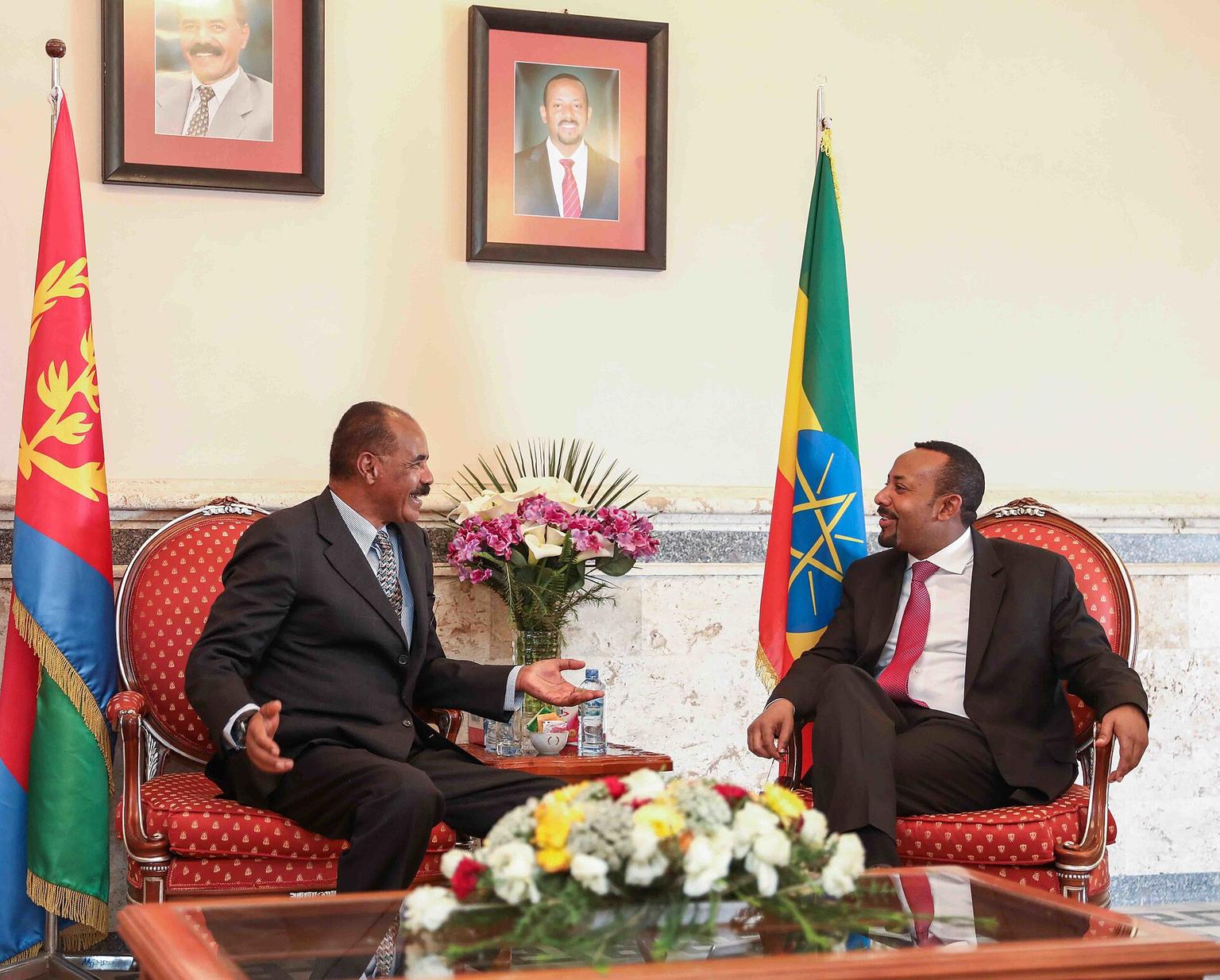
The two countries fought a border war between 1998 and 2000 and were allies during the 2020-2022 Tigray war, in which Eritrea fought alongside federal forces against the TPLF. Prime Minister Abiy Ahmed had restored relations in 2018, work that earned him the Nobel Peace Prize the following year. Eritrea was not a party to the November 2022 Pretoria agreement that ended major hostilities. Ethiopia, which has been landlocked since Eritrea's independence in 1993, has argued that direct sea access is essential, while Eritrea fears Addis Ababa intends to seize its port of Assab. Ethiopia closed its embassy in Asmara and ordered 10 Eritrean diplomats out on 1 October; Eritrea then cut all ties.
Hossamaldeen Ibrahim, an analyst at the Bloomsbury Intelligence and Security Institute, said the situation "has entered a high-risk phase of limited but direct military confrontation with a real possibility of rapid escalation into interstate war".