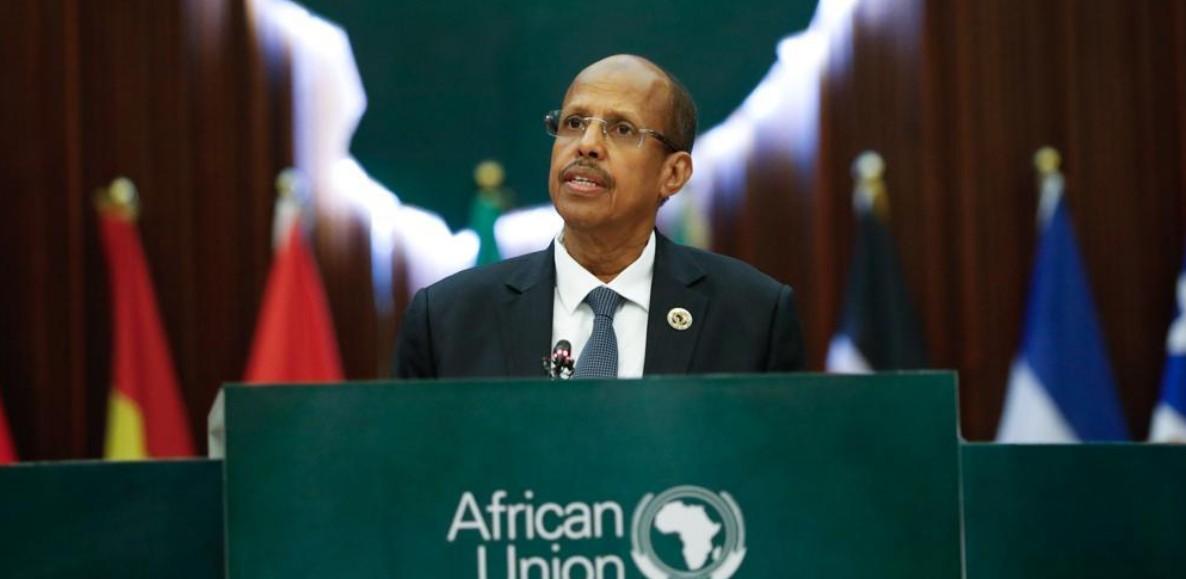
African governments pledged to put more of their own money into health, make more medicines on the continent and buy them jointly as the Fifth International Conference on Public Health in Africa (CPHIA 2026) closed in Addis Ababa on Friday, 27 November.
The five-day conference was co-hosted by the Africa Centres for Disease Control and Prevention (Africa CDC) and the Ethiopian government. According to Africa CDC's closing statement, 29,000 people attended in person at the Addis International Convention Centre and another 270,000 joined online from 135 countries. Delegates included six heads of state and government and 63 ministers. Africa CDC said the conference met as external health assistance declines.
The conference opened on 23 November.
Advertisement
Budget and manufacturing pledges
The Central African Republic committed to raise health's share of its national budget from about 4% in 2026 to 10% by 2029. It also committed to report its health spending every quarter.
Ghana announced a $1 billion investment over four years to set up pharmaceutical and biomanufacturing hubs. It also authorised direct procurement of locally made snake antivenom. Zambia broke ground on a cholera vaccine factory and is aiming to start fill-and-finish operations within a year.
Africa CDC and the African Medicines Agency are set to submit a continental quality assurance policy to the African Union in early 2027.
Sudan, South Sudan and Botswana signed the African Pooled Procurement Mechanism agreement, under which countries buy medicines jointly. Zimbabwe is completing national procedures to join. Five Southern African Development Community countries also joined regional pooled procurement arrangements, which are projected to save an estimated $200 million.
Ebola and outbreak preparedness
Member states agreed to set up climate-health early warning systems with predefined response triggers and contingency financing. They also committed to sharing laboratories, genomic surveillance and cross-border data under the One Health approach, which links human, animal and environmental health.
With the Bundibugyo Ebola outbreak continuing in the Democratic Republic of the Congo, Gavi, the vaccine alliance, made an advance purchase commitment for up to 1.5 million doses of a vaccine against the strain. The commitment depends on successful Phase 3 trial results. The revised continental Ebola response plan is estimated to need $1.576 billion over six months, with the World Bank leading its socioeconomic protection component.
Sudan's health system
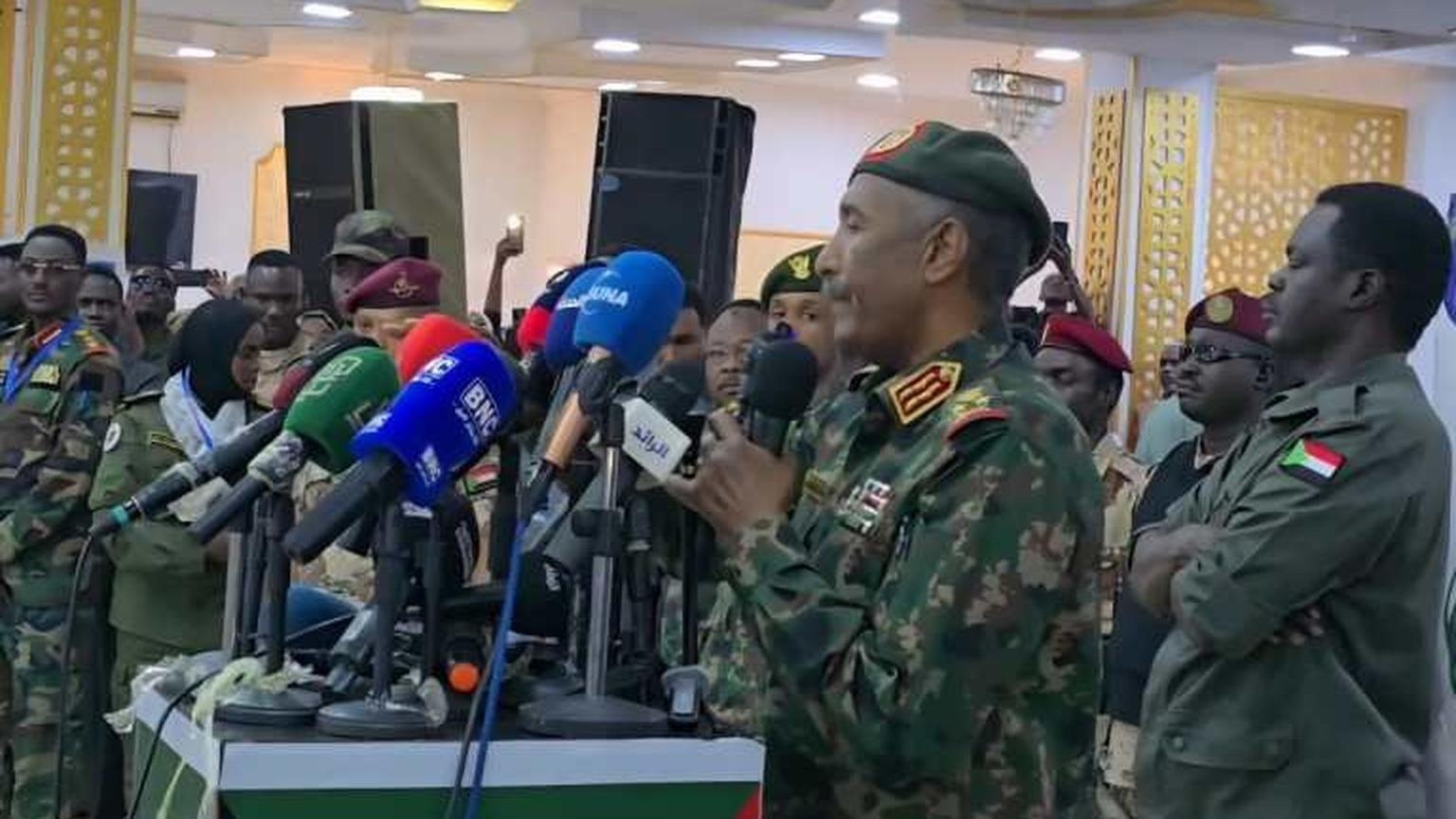
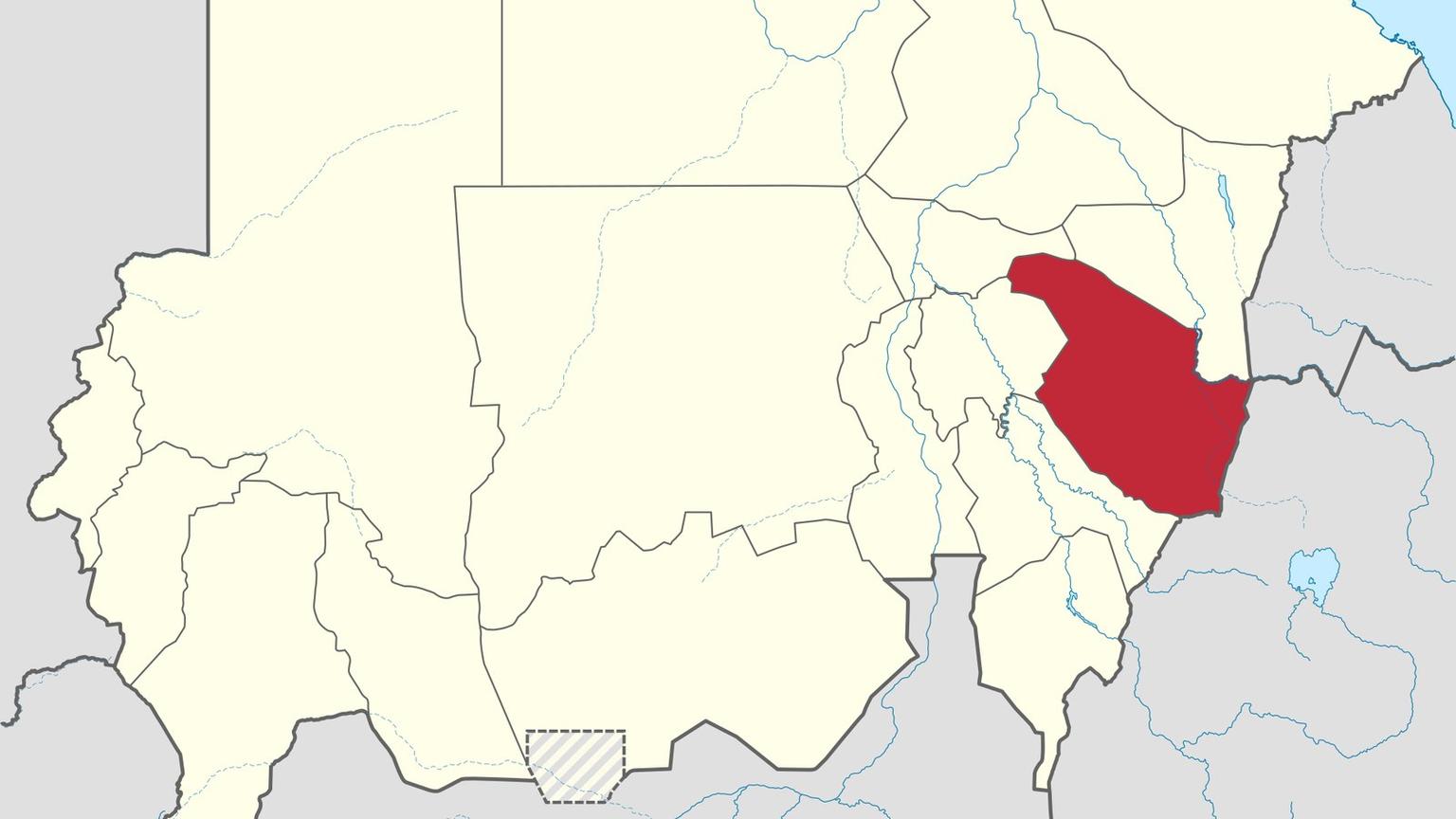
Delegates named the recovery of Sudan's health system as a continental priority. War between the Sudanese Armed Forces and the Rapid Support Forces began in April 2023. Sudan's Health Minister, Haitham Mohammed Ibrahim, put the funding gap at at least $700 million a year over the next three years to restore essential services, protect health workers and rebuild disease surveillance.
Africa CDC pledged to help Sudan set up a working emergency operations centre, restore laboratory and genomic sequencing capacity and strengthen its health workforce.
Maternal health and AI
Tanzanian President Samia Suluhu Hassan launched a continental roadmap with three targets: zero home deliveries, zero preventable maternal and newborn deaths, and zero unvaccinated children. Tanzania also pledged 60 scholarships for specialist training. The Beginnings Fund announced $665 million for maternal and newborn health work in 14 African countries.
Prime Minister Abiy Ahmed launched a continental roadmap on artificial intelligence and digital health. He also announced plans for an AI university in Ethiopia that would be open to students from across Africa.
Africa CDC released what it called the continent's first public health intelligence report. With the Coalition for Epidemic Preparedness Innovations, it launched a health law consortium to help countries deal with legal and regulatory barriers to emergency response. A new Africa Health Atlas is meant to give comparable health indicators for all 54 African countries.
All seven candidates for the next Director-General of the World Health Organization attended to discuss their plans with African leaders.
Reporting back
Africa CDC introduced a mechanism to monitor implementation of the Lusaka Agenda. Zambia committed to report on its progress at the next CPHIA, and the UN Economic Commission for Africa offered technical help to countries restructuring their health budgets.
Closing the conference, Ethiopia's Health Minister, Mekdes Daba, said "Africa's health must be governed, financed and driven by Africans, working in partnership with the rest of the world." She called on governments to review how the conference priorities appear in national plans and budgets.
Africa CDC Director-General Jean Kaseya said: "Our health security still depends on external financing, imported medical products, and data systems we do not control."
Delegates agreed that the next conference would assess progress against the Addis Ababa commitments, including money raised, budgets carried out and improvements in health services.