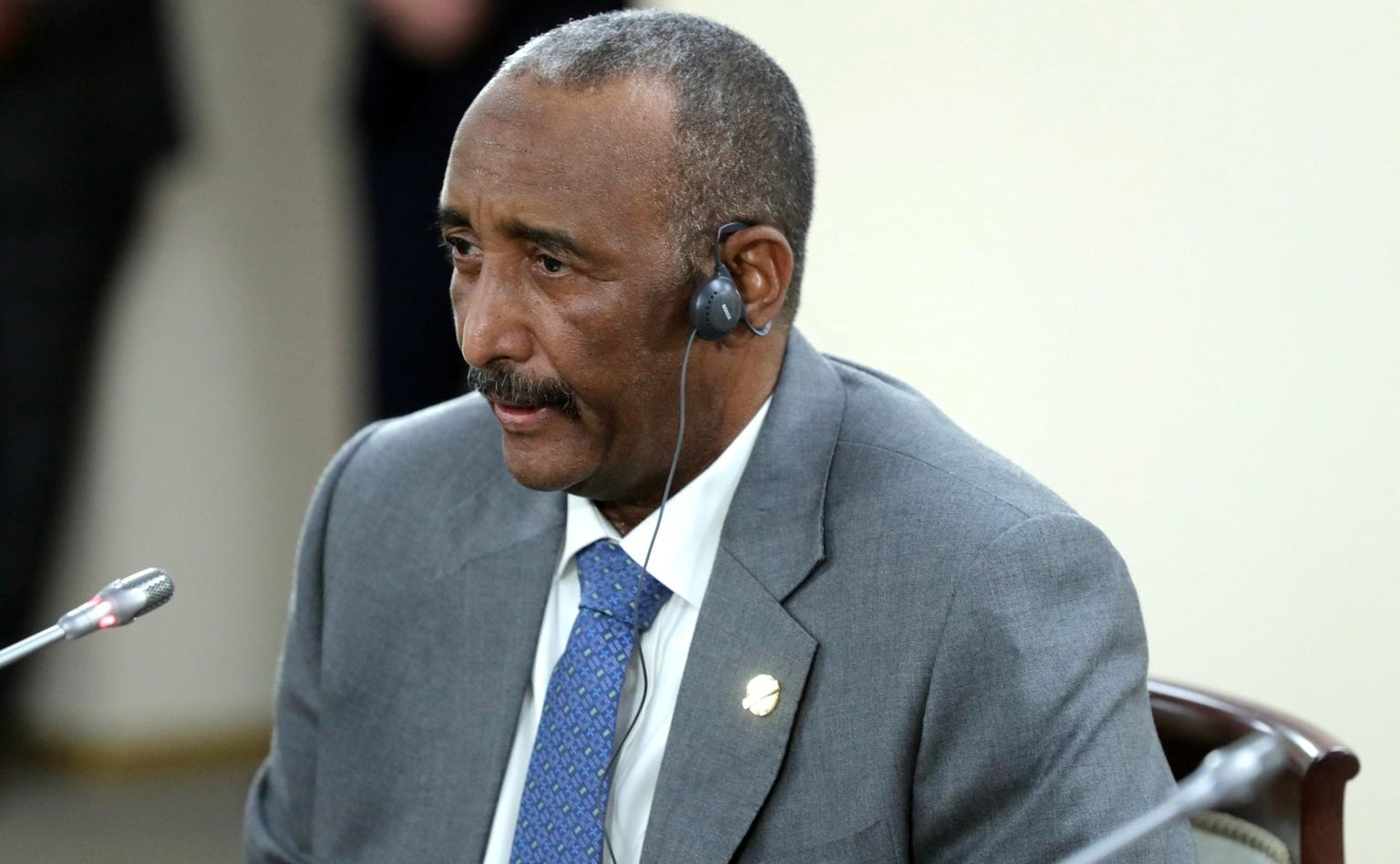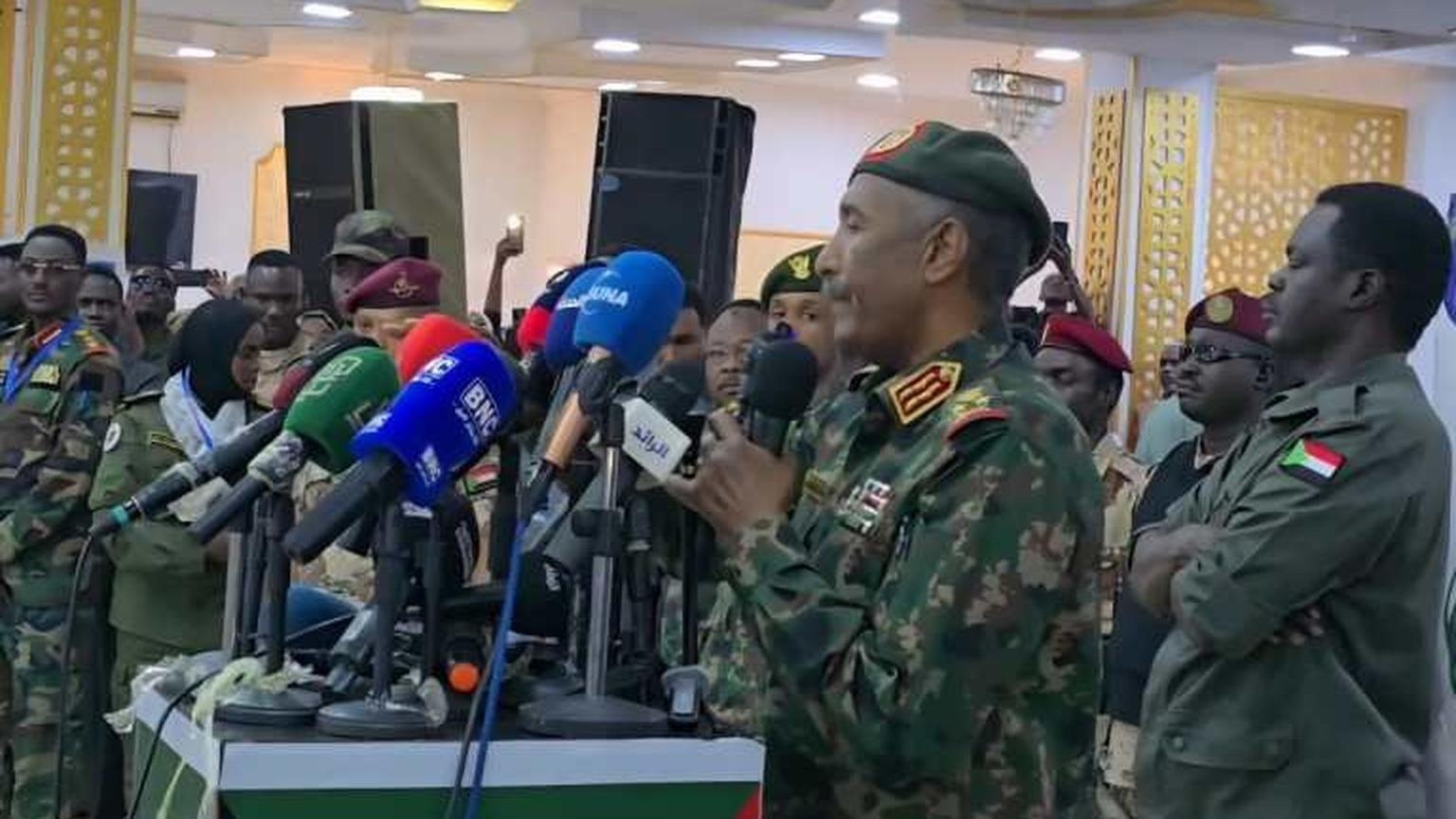
Sudan's army chief Abdel Fattah al-Burhan said on 28 November that the Rapid Support Forces (RSF) were attacking Sudan from Ethiopia, Chad, South Sudan and Libya, warning that aggressors would pay.
Burhan, who also heads the Transitional Sovereignty Council, spoke in Omdurman at a ceremony for wounded fighters of the Joint Force, armed movements fighting alongside the army against the RSF since the war began in April 2023. Darfur's governor, Minni Arko Minawi, organised the event.
Burhan said most of Sudan's neighbours had been turned against it and paid to fight it. He accused wealthy countries of using their money to recruit fighters to kill and destroy in Sudan.
Advertisement
He warned that those fighters could later turn on the same neighbouring states, and he urged the international community to help defeat the threat before it spread.
Burhan said the army and its allies would not lay down their arms until the RSF was defeated, and that the group would not return. He said the war was against the RSF and those backing it, not against any tribe. He also pledged $5 million to a fund for wounded Joint Force fighters.
Ethiopia denies supporting the RSF and accuses Sudan of backing rebels in its Tigray region. Its foreign ministry called earlier Sudanese accusations "baseless" in a statement on 5 May.
Addis Ababa has also pointed at Burhan himself. On 11 November Getachew Reda, the prime minister's adviser on East African affairs, told the UN's Horn of Africa envoy that Burhan and Eritrea's President Isaias Afwerki were arming groups inside Ethiopia and carrying out repeated drone attacks in the country.
Burhan's remarks follow weeks of accusations from Sudan's army-aligned authorities. On 1 November the government lodged complaints with the UN Security Council and the African Union's Peace and Security Council, accusing Ethiopia of letting the RSF launch drones from its territory.
Ethiopia then ordered six staff of Sudan's consulate in Assosa, the capital of the Benishangul-Gumuz region, to leave within 48 hours. Sudan closed Ethiopia's consulate in Gedaref and expelled its staff.
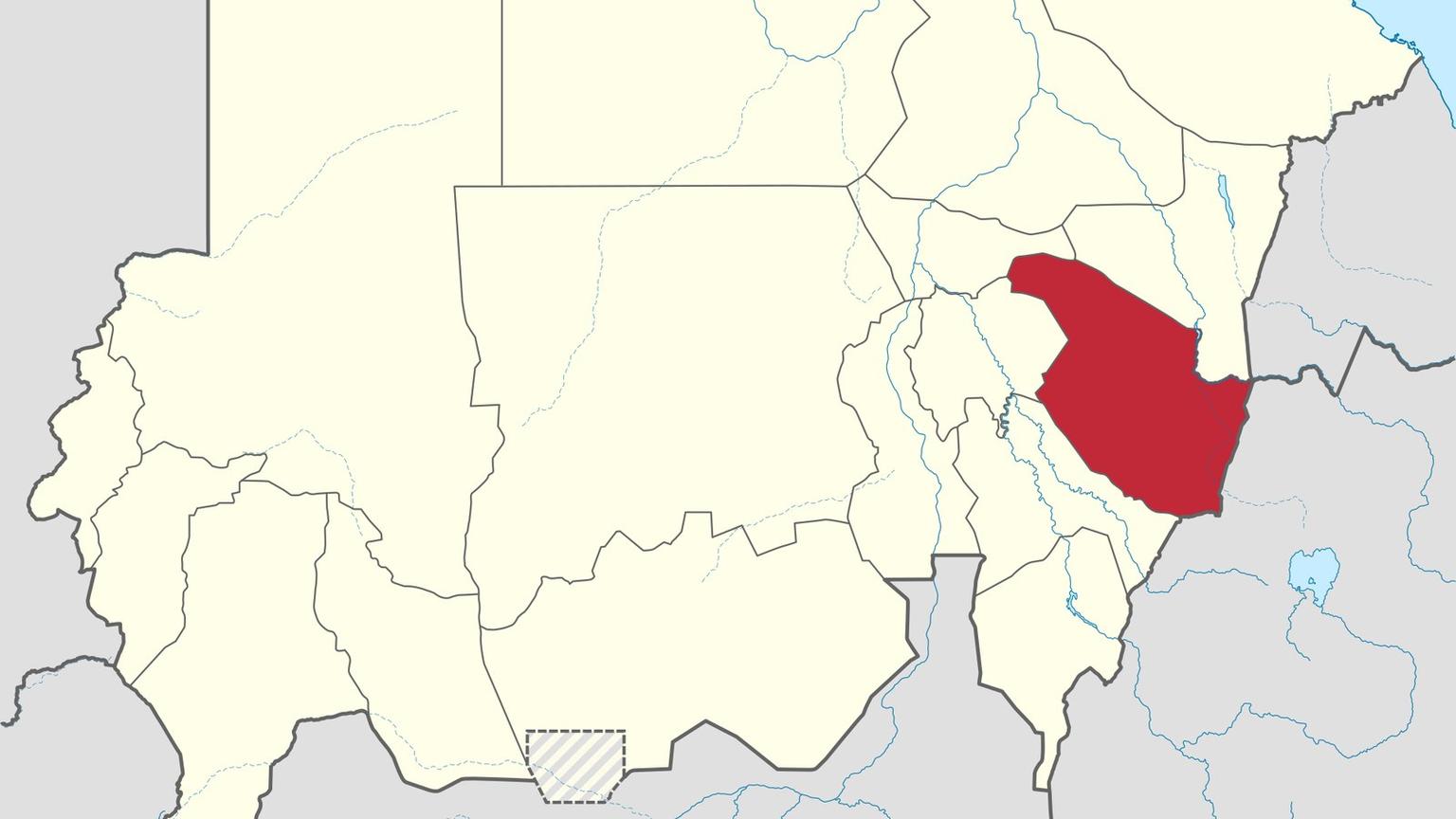
On 23 November army officers announced plans to deploy 6,000 fighters along the Ethiopian border. Two days later the army-aligned government rejected an offer by Prime Minister Abiy Ahmed to host an inclusive Sudanese dialogue, saying Ethiopia could not be neutral.
Abiy defended the offer in parliament on 26 November. He said peace in Sudan was an extension of peace in Ethiopia and urged Sudanese parties to give the initiative a chance.