Ethiopian Orthodox Christians mark Hidar Tsion, the feast of St Mary of Zion, on Monday 30 November, and Aksum, the city at the heart of the celebration, says it is preparing to receive pilgrims.
Aksum's mayor, Haftamu Gebremariam, told a meeting on the arrangements that several committees had been set up to help the city celebrate the feast in style, the state news agency ENA reported on 25 November. He called on residents to clean their neighbourhoods, help strengthen security and host visitors. Zeradawit Tsegay, representing the city's culture and tourism office, said arrangements had been made for visitors to see Aksum's historic sites.
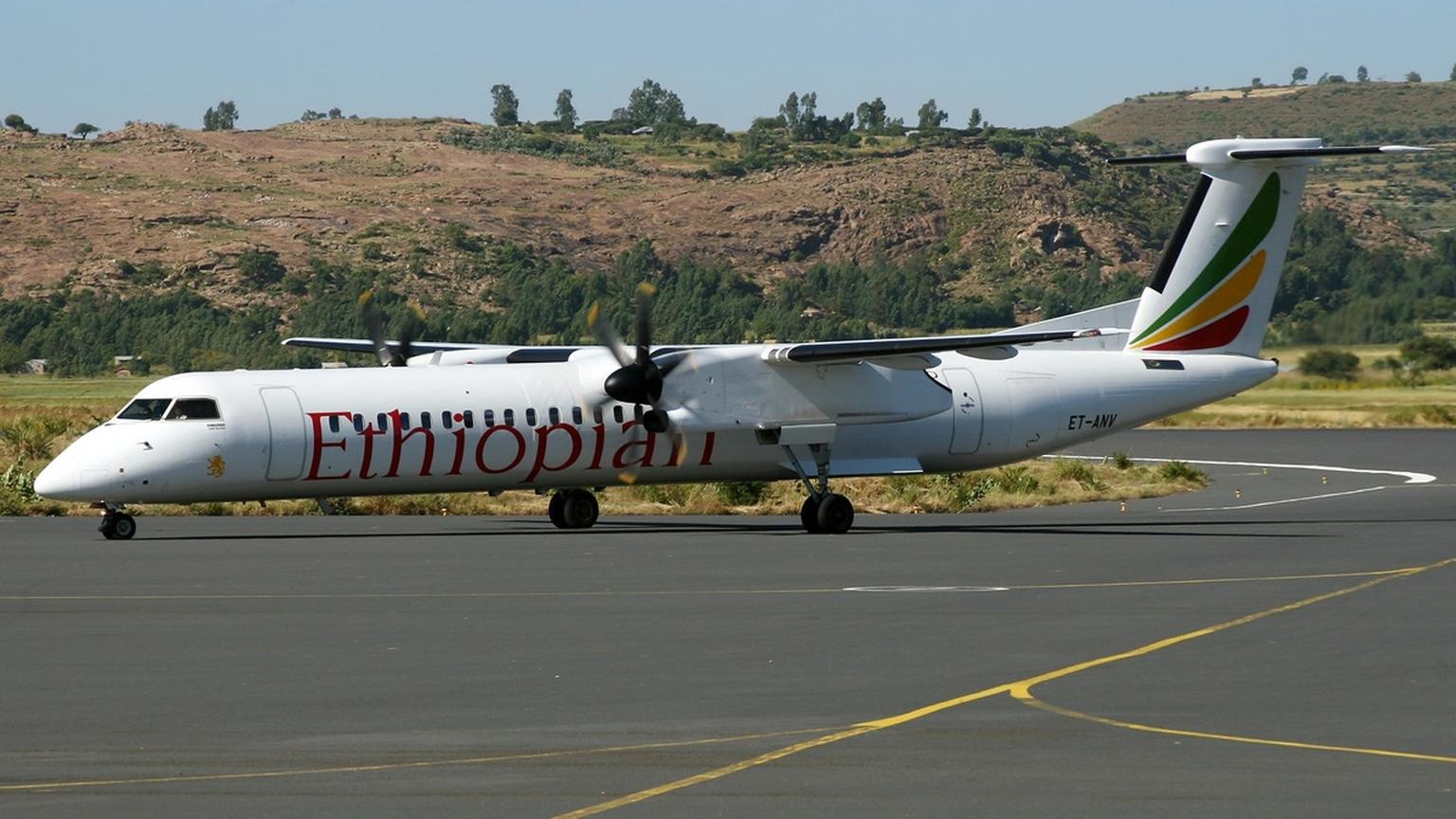
Travel to the city has just reopened. Ethiopian Airlines resumed regular flights to Aksum on 27 November. The airline suspended flights to Mekelle, Shire and Aksum on 23 September citing the situation in Tigray, and restored Mekelle on 11 October and Shire on 17 November.
Advertisement
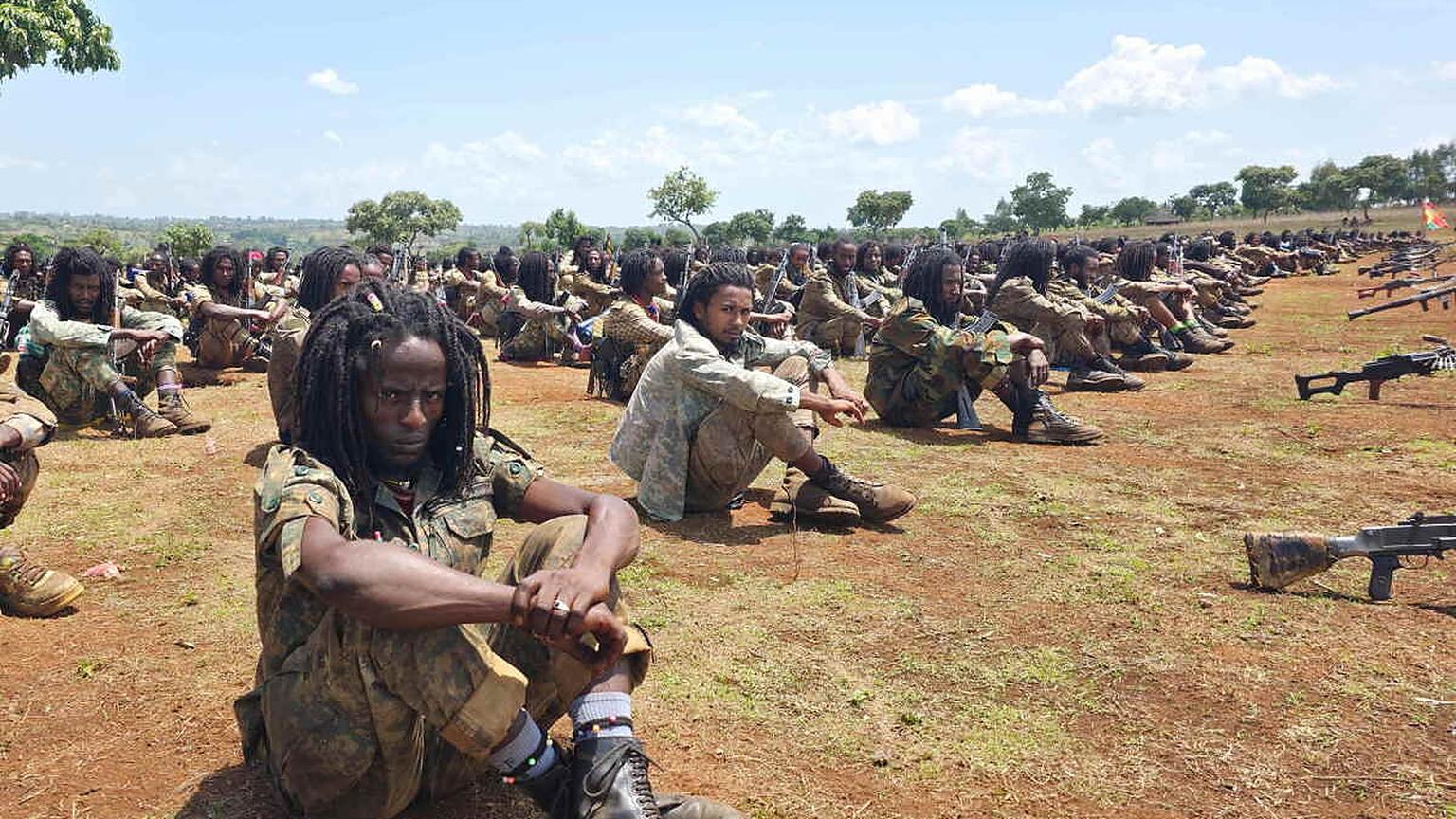
The US Embassy in Addis Ababa said on 14 November that fighting was continuing in remote areas near the Eritrean border and advised US citizens not to travel to Tigray for any reason.
What the feast marks
Hidar Tsion falls on Hidar 21 in the Ethiopian calendar. Two traditions are attached to the day: that Menelik I, the son of King Solomon and the Queen of Sheba, arrived in Aksum with the Ark of Zion on Hidar 21, and that, in the church's teaching, it is the day the Ark overturned the Philistine idol Dagon, a story from the First Book of Samuel.
The Tigray culture and tourism bureau put attendance at the 2018 feast at close to one million.
In Ethiopian Orthodox thought, Zion has many meanings, according to Steven Kaplan's entry on the subject in the Encyclopaedia Aethiopica. It refers to Jerusalem, to Aksum and its church, and to every tabot, the consecrated altar tablet that each Orthodox church keeps in its sanctuary.
Zion also often refers to the Virgin Mary, who is compared with the Tabernacle in which the tablets of the law were kept. A Marian hymn, the Malke'a Tsion, or "Image of Zion", is recited on the feast.
The chapel no one enters
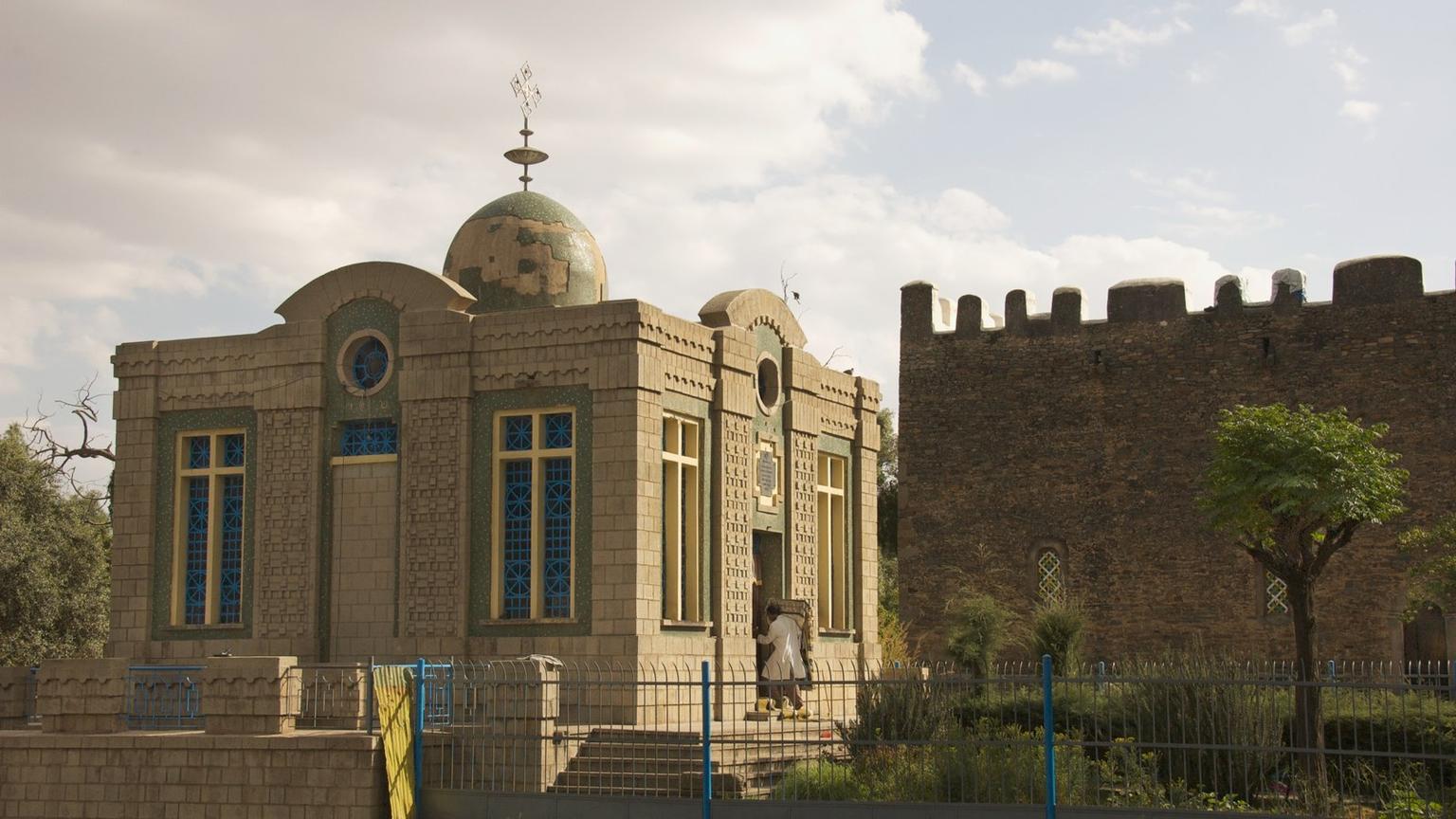
The Ethiopian Orthodox Church holds that the original Ark of the Covenant is kept in a chapel in the church compound at Aksum. Stuart Munro-Hay, writing in the Encyclopaedia Aethiopica, describes the object as "never seen" and kept under constant guard in the chapel over the treasury, a building put up in the time of Emperor Haile Selassie by Empress Menen.
He wrote that no reliable evidence shows the object existed in Aksumite times. The earliest mention of an Ark claim in Ethiopia is in a 13th-century Arabic work attributed to Abu Salih.
The old church beside it is a Gondarine-style building. An earlier church was destroyed in 1535 during the campaigns of Ahmad ibn Ibrahim al-Ghazi, known as Gragn, and Emperor Fasilides restored the church around 1655, according to Munro-Hay.
The large round church of St Mary of Zion that now stands next to it was built under Haile Selassie. Aksum's ruins, including its stelae and royal tombs, have been a UNESCO World Heritage Site since 1980.
Years of disruption
The feast has been badly disrupted before. Amnesty International said Eritrean troops killed hundreds of unarmed civilians in Aksum on 28–29 November 2020, on the eve of that year's feast. Many of the faithful could not celebrate in 2021 because of the war, and the 2022 feast, held weeks after the Pretoria peace agreement, drew large crowds.
Churches dedicated to Mary of Zion in other parts of Ethiopia, in Eritrea and in the diaspora celebrate on the same day.