Ethiopian Orthodox Christians began Tsome Nebiyat, the Fast of the Prophets, on 24 November 2026, opening about six weeks without meat, eggs or dairy that end on the eve of Genna, Ethiopian Christmas.
On the Ethiopian calendar the fast runs from Hidar 15 to Tahsas 28, 2019, which this year is 24 November to 6 January 2027. Church calendars count the season as 44 days this year, and Genna is celebrated on 7 January. The fast is also known as the Christmas fast (Tsome Lidet), and the Encyclopaedia Aethiopica records older names for it, including the Fast of Tahsas and the Fast of Adam.
What changes at the table
Fasting in the Ethiopian Orthodox Tewahedo Church means abstaining completely from meat, fats, eggs and dairy products such as milk, butter and cheese, according to Steven Kaplan's entry on Christian fasting in the Encyclopaedia Aethiopica. Fasting is generally understood to mean eating a single meal, either in the evening or just after midday. Smoking is generally prohibited, while beer and wine may be taken in moderation.
Advertisement
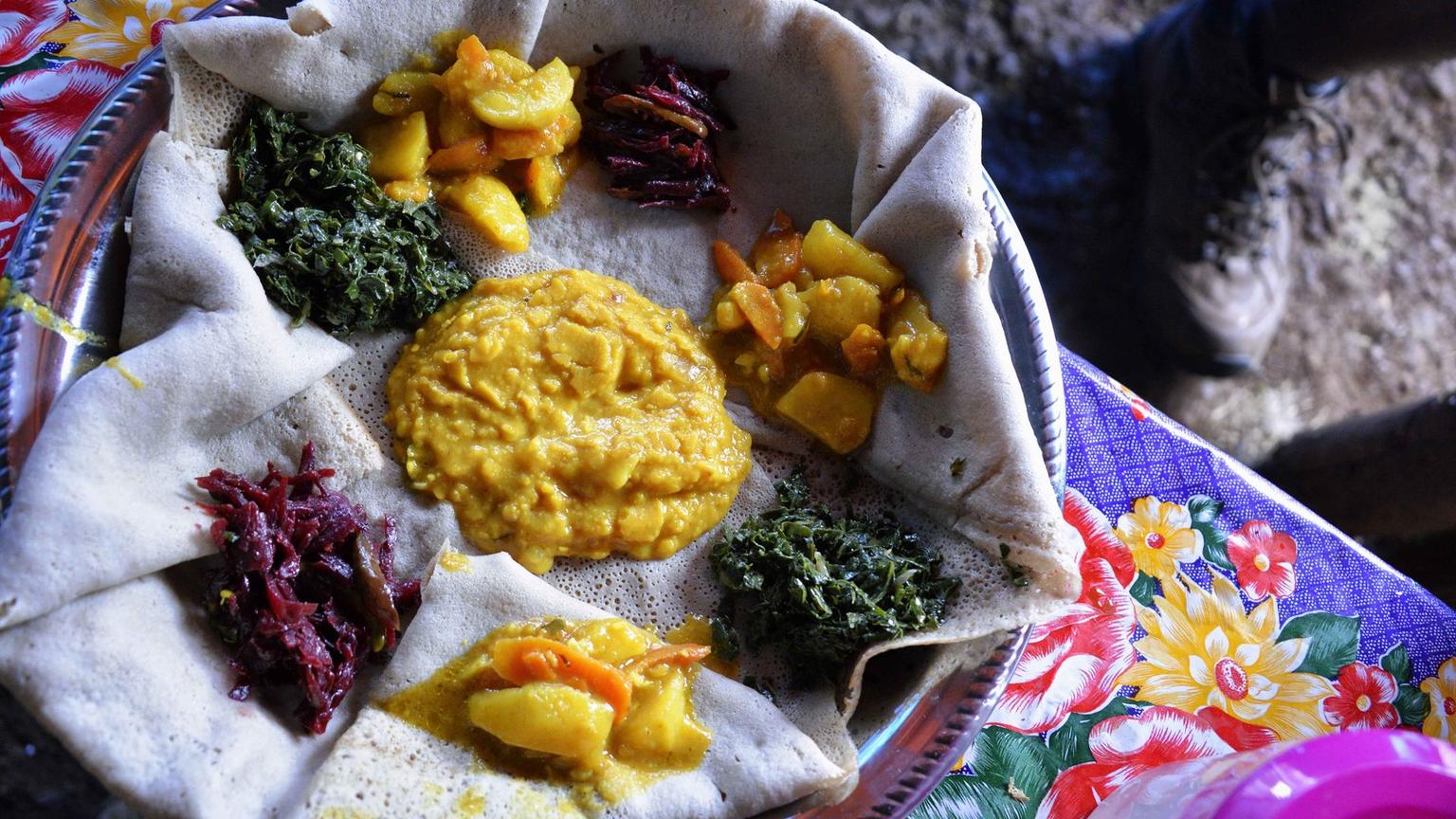
In practice the table turns to injera with dishes of pulses and vegetables, such as shiro, lentils and greens, often served together on one platter. Pregnant and breastfeeding women and children under seven are in principle exempt, according to research on Ethiopian fasting practice.
Why it starts on Hidar 15
The fast is a preparation for Christmas. It originally lasted 40 days, mirroring Christ's 40-day fast, and began on the feast of St Philip on 18 Hidar, according to Habtemichael Kidane's entry on the fast in the Encyclopaedia Aethiopica. Under the influence of the Coptic Church it was extended by three days to start on 15 Hidar.
Egyptian tradition attributes the change to Abraham the Syrian, the 62nd Patriarch of Alexandria, who led the Coptic Church from 975 to 978. Ethiopian tradition explains the three extra days through three feasts of the Annunciation.
The same entry says the fast was traditionally considered optional for lay people and was often called tsome fekad, the "fast of choice". The fasting calendar published by Hamere Noah Kidane Mihret, an Ethiopian Orthodox parish in Ontario, Canada, now lists it as required of all.
Fewer fasting days than often claimed
Ethiopian Orthodox Christians are often said to fast about 250 days a year, around 180 of them obligatory for all believers, as the Encyclopaedia Aethiopica puts it. A 2021 study in the journal PLOS ONE, based on a survey carried out under a research programme led by the International Food Policy Research Institute, found that Orthodox adults in its sample actually kept an average of 140 fasting days a year.
The study surveyed 870 milk-producing households in and around Addis Ababa, mainly in North and West Shewa, between 22 January and 15 February 2018. Between 11% and 12% of Orthodox adults kept no fasts at all, possibly because of pregnancy or illness but possibly by choice, and adherence rose with age. About one in five older children, who are expected to fast, took part.
The authors estimated that Orthodox fasting reduces national dairy consumption by about 12%, a smaller effect than often assumed. During fasts, dairy farmers turned more of their milk into storable butter and cheese, and children in those households drank more milk because more was available at home.
The season ends with Gahad, the vigil fast on the eve of Genna, on 6 January.