Prime Minister Abiy Ahmed proposed three priorities for African health sovereignty on 23 November as he opened the Fifth International Conference on Public Health in Africa (CPHIA 2026) in Addis Ababa.
The Ethiopian government and the Africa Centres for Disease Control and Prevention (Africa CDC) are co-hosting the conference at the Addis International Convention Center until 27 November. The Ethiopian News Agency (ENA) said more than 40,000 participants had registered. The theme is "Africa's Health Security and Sovereignty: Transformation from Health Dependency and Vulnerability to Ownership and Resilience."
Abiy's first proposal was to develop centres of medical excellence across the continent. He said many Africans still travel long distances for specialised treatment and that such care should be available closer to where they live.
Advertisement
His second was joint procurement. He presented it as a way to create a dependable market for high-quality African medicines and health products, which would encourage manufacturers to invest and expand production. His third was accountability: every commitment, he said, should have a responsible institution, a financing arrangement and a timeline for reviewing progress.
He linked the proposals to Medemer, Ethiopia's governing philosophy of combining institutional strengths. A laboratory in one country could help several others identify emerging diseases, he said, while a manufacturer in another could supply health services across a region.
Ethiopia's own record
Abiy pointed to Ethiopia's Health Extension Program, through which tens of thousands of health workers, most of them women, deliver services close to households. He said those workers need properly staffed facilities, medicines, laboratories and sustained resources behind them. He also cited the expansion of health insurance, and warned that patient care cannot stop when a funding agreement ends.
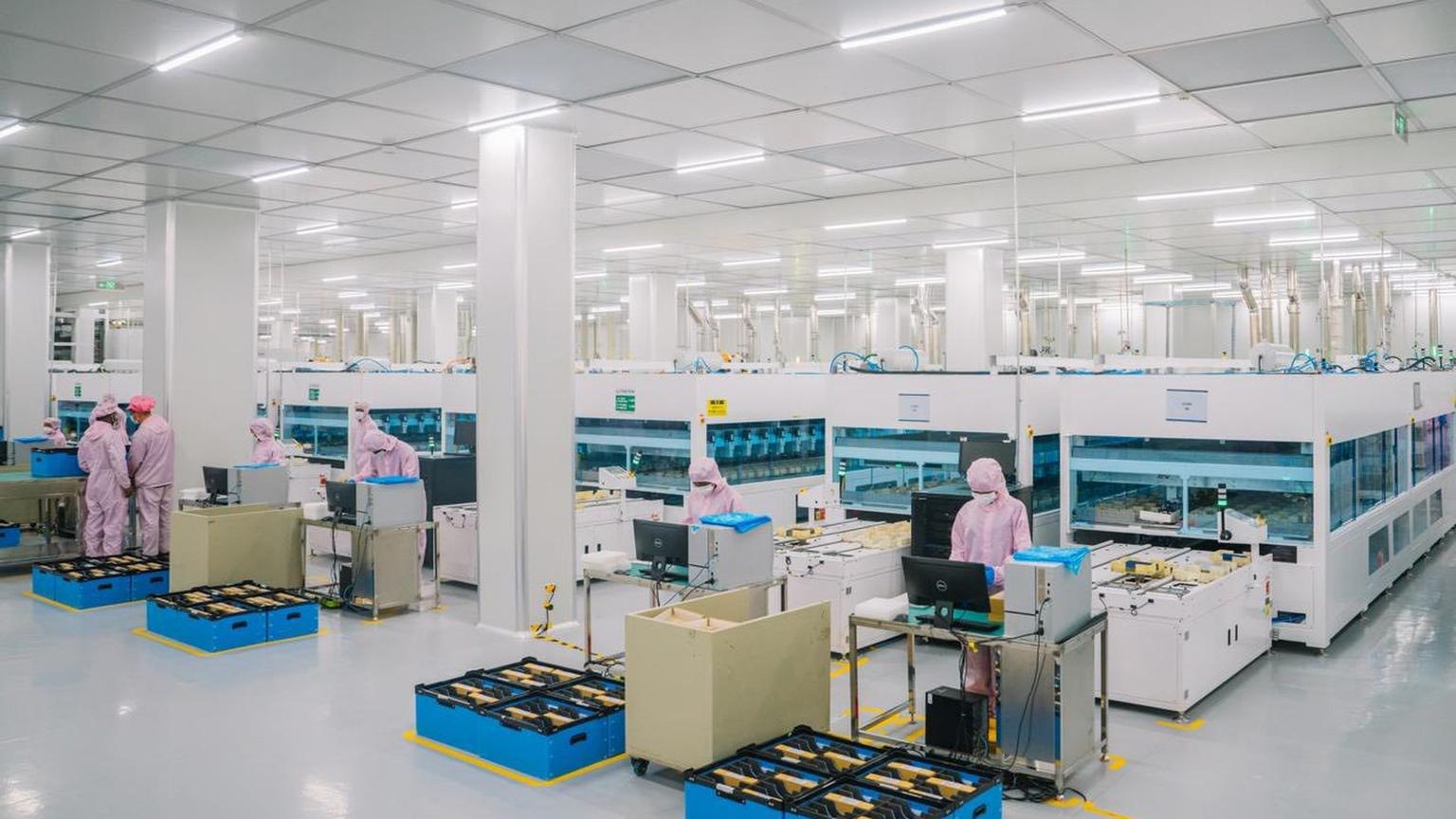
He said Ethiopia is expanding medicine manufacturing in its industrial parks. He cited the country's achievement of World Health Organization Maturity Level 3 for medicines and imported vaccines as a stronger foundation for local manufacturers serving Ethiopia and the wider region.
Speaking also as African Union Champion for Artificial Intelligence and Digital Health, Abiy said AI tools must be tested under local conditions, developed with African researchers and work in African languages. He called for health data to be protected by rules set by African countries themselves. He invited participants to return to Addis Ababa for COP32 next year, saying climate decisions should draw on the evidence of health professionals.
AU chief presses for domestic financing
Mahmoud Ali Youssouf, chairperson of the African Union Commission, told the conference that recent public health emergencies and substantial cuts in international health financing had exposed the vulnerability of health systems that rely on outside support, particularly for medicines, vaccines and medical supplies.
He set out four priorities: sustainable domestic financing, local production and innovation, stronger health systems and emergency preparedness, and implementation and accountability. He called on member states to renew their commitment to the Abuja Declaration target of allocating at least 15% of national budgets to health.
Youssouf welcomed the adoption of the African Health Security and Sovereignty Agenda in February and the Accra Declaration to 2030 in July 2026, but said these must now produce measurable results. "Our success must ultimately be measured not by the declarations we adopt, but by the difference we make in the lives of our citizens," he said.
The conference agenda covers six areas, including pandemic preparedness, health financing, digital health and local vaccine manufacturing, according to ENA. It said a major focus is Africa's ambition to produce 60% of its vaccine requirements locally by 2040. ENA said the opening programme features the launch of the African Union Champions' Roadmaps on Reproductive, Maternal, Newborn, Child and Adolescent Health for 2026–2030.
Leaders arrive
Tanzania's President Samia Suluhu Hassan arrived at Bole International Airport on 22 November for a two-day working visit, the Tanzania Daily News reported. It said she was expected to take part in the conference and to launch the African Maternal and Child Health Improvement Roadmap.
On the sidelines on 23 November, Abiy held talks with Sierra Leone's President Julius Maada Bio and met other African leaders and a senior United Arab Emirates official.