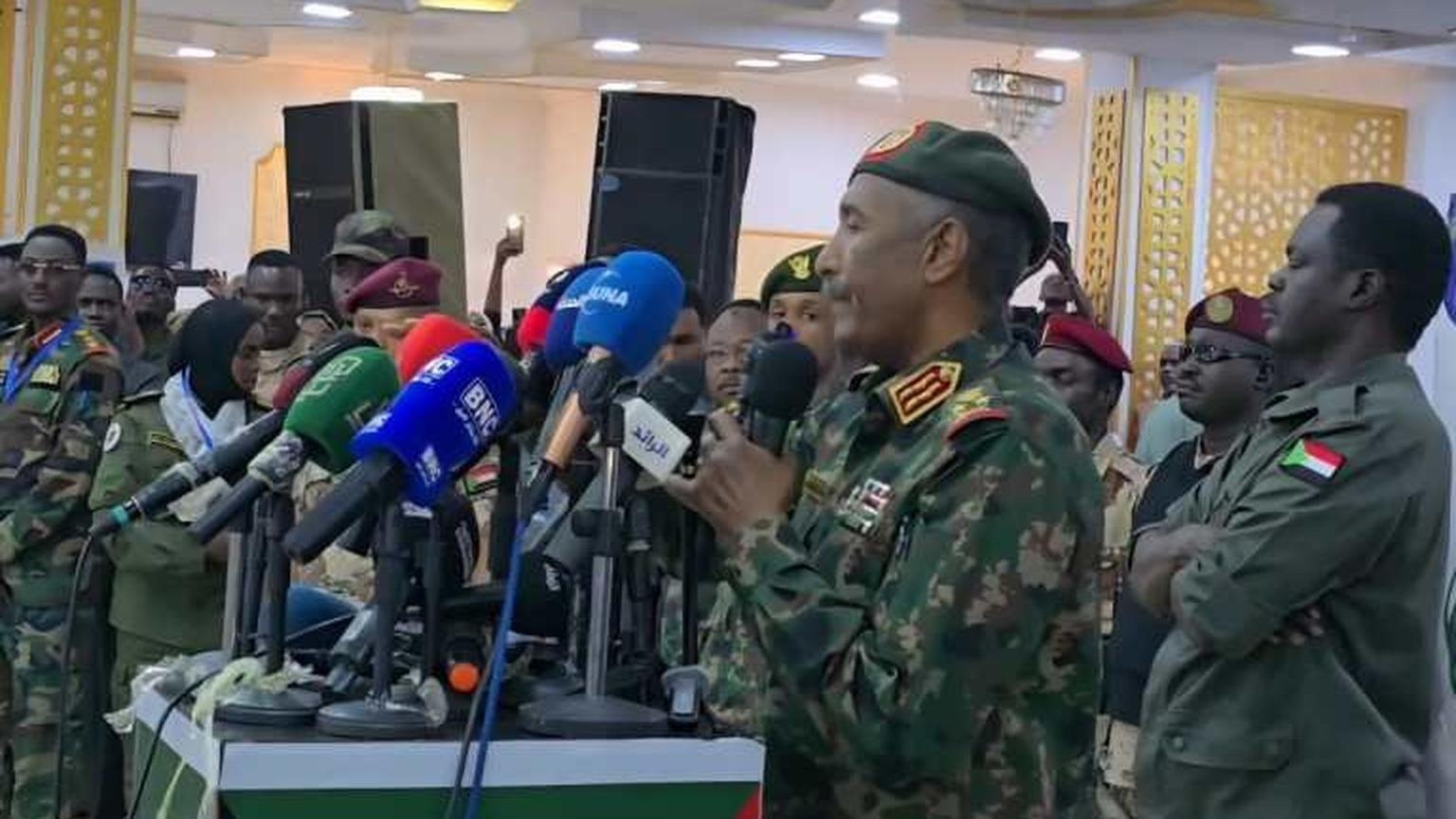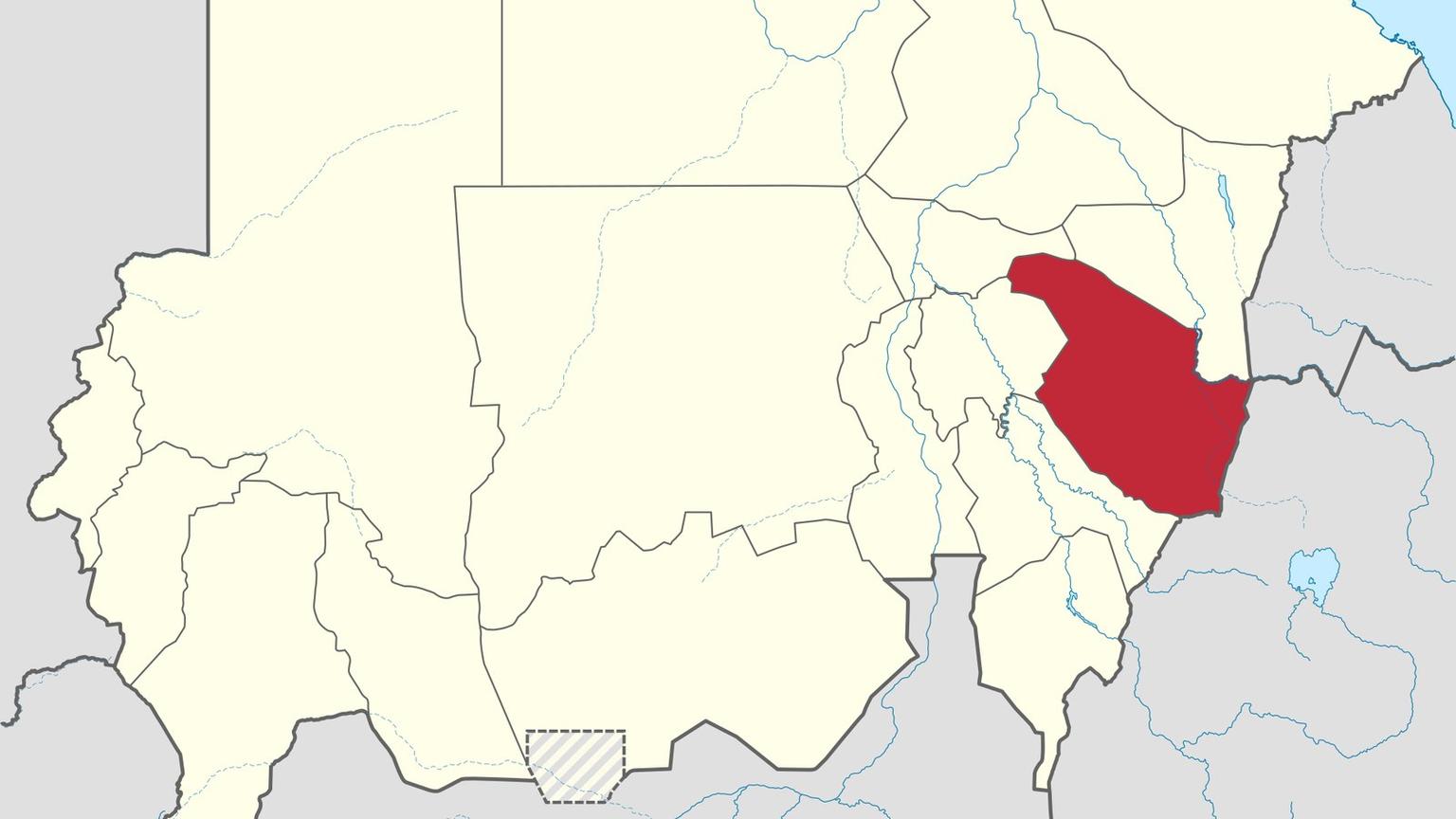
Officials aligned with Sudan's army accused Ethiopia on 27 November of helping the Rapid Support Forces (RSF), days after army officers announced plans to deploy 6,000 fighters along the Ethiopian border.
The head of the mobilisation committee of the army's special support forces announced the plan at a press conference in Khartoum on 23 November. He accused Ethiopia of massing troops and armed groups near Gedaref state, saying it was trying to open a new front on Sudan's eastern border and to pressure the Sudanese state.
He called on Sudanese to join a general mobilisation in three phases. The first phase would raise 30% of the target force, or 6,000 fighters, for deployment along stretches of the border he described as threatened.
Advertisement
Another army officer, Major General Amer Hassan Abbas, accused Ethiopia of backing the Sudan Founding Alliance (Tasis), which includes the RSF and the SPLM-North faction led by Abdelaziz al-Hilu. He said the alliance wanted to open a new front from Ethiopian territory.
Abbas repeated Sudanese government allegations of training camps near Assosa, the capital of Ethiopia's Benishangul-Gumuz region, and of drone launches from Bahir Dar. He said recent RSF-allied attacks on Kurmuk and Geissan in Blue Nile could not have happened without forces operating from Ethiopia.
Ethiopia has denied supporting the RSF and accuses Sudan's army of backing armed groups fighting Ethiopian federal forces.
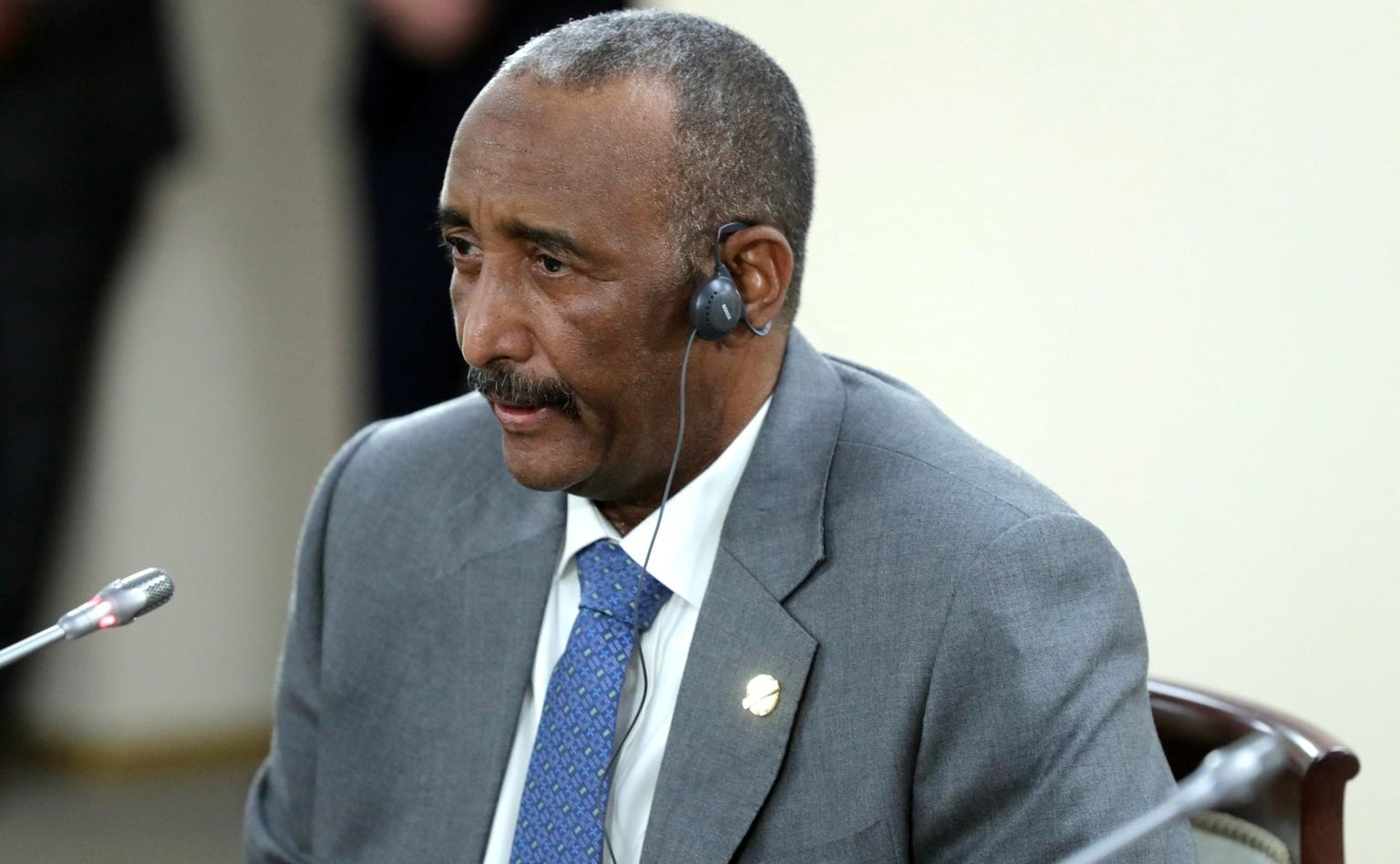
Ahmed Ishaq Shanab, an official of the army-aligned Darfur regional administration, said on 27 November that Ethiopian territory was being used to launch drones into Sudan. Musleh Nassar, an adviser to Kamil Idris, the army-aligned government's prime minister, accused Abiy Ahmed of helping to destabilise Sudan and the region.
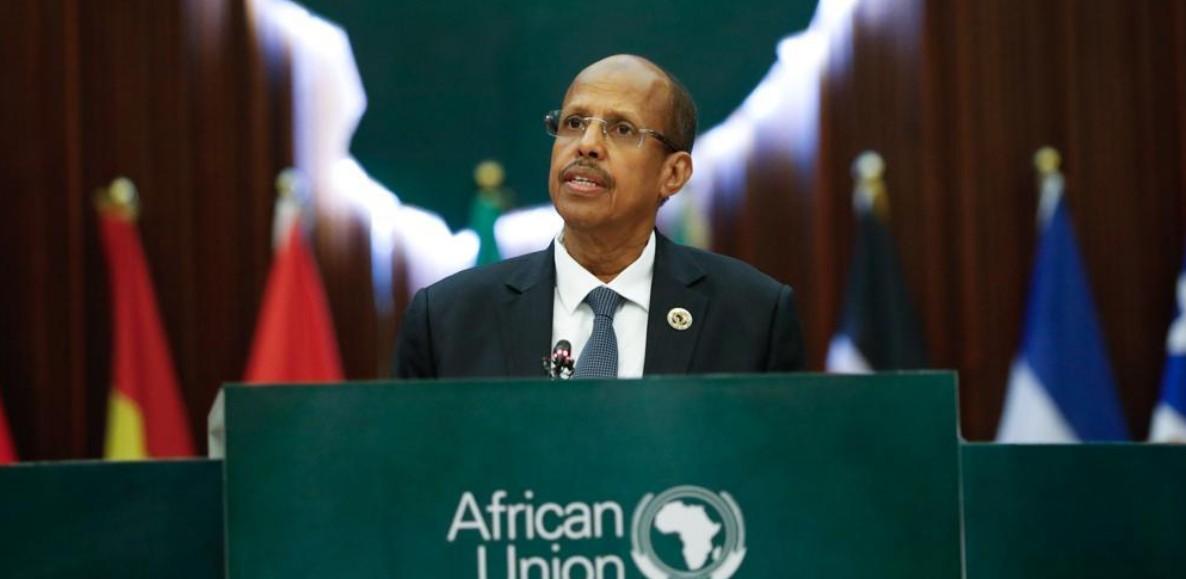
On 25 November the army-aligned government rejected Abiy's offer to host an inclusive Sudanese dialogue, saying Ethiopia could not be neutral. The RSF-led Tasis administration and the civilian coalition Somoud welcomed it.
On the ground in Blue Nile, the army's 4th Infantry Division said on 27 November that it had retaken Khor Maganza, south of the state capital Ed Damazin, after the RSF and the SPLM-North said they had captured it. The RSF did not immediately comment.
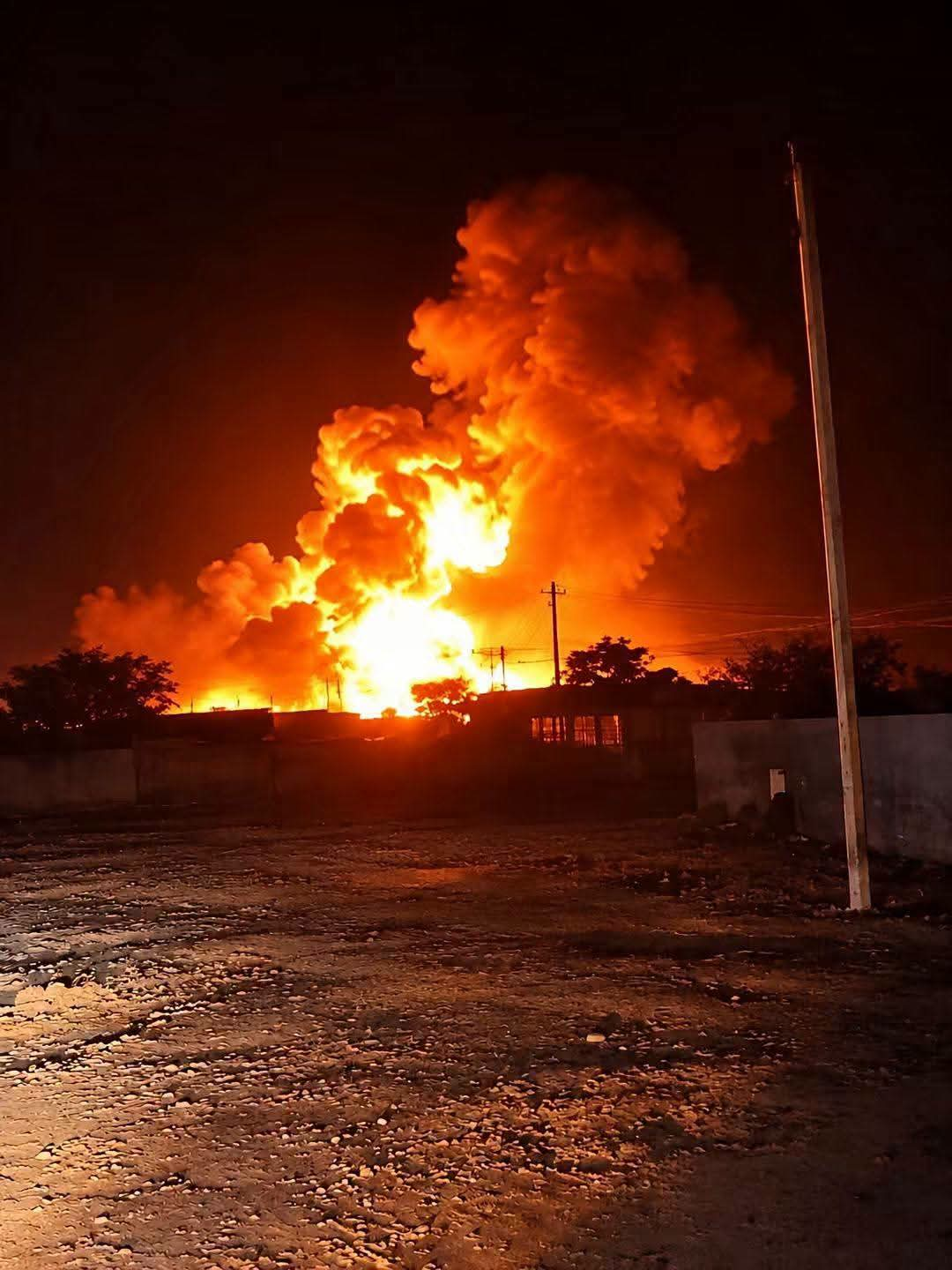
The alliance earlier took Kurmuk and Geissan on the Ethiopian border and later the administrative centre of Bau locality. Sudanese authorities said drone strikes they blamed on the RSF killed 17 people in Ed Damazin and El Roseires on 24 November.
The Blue Nile State Civil Society Initiative said on 27 November that more than 14,000 people had fled the fighting to South Sudan's Renk county within a week.