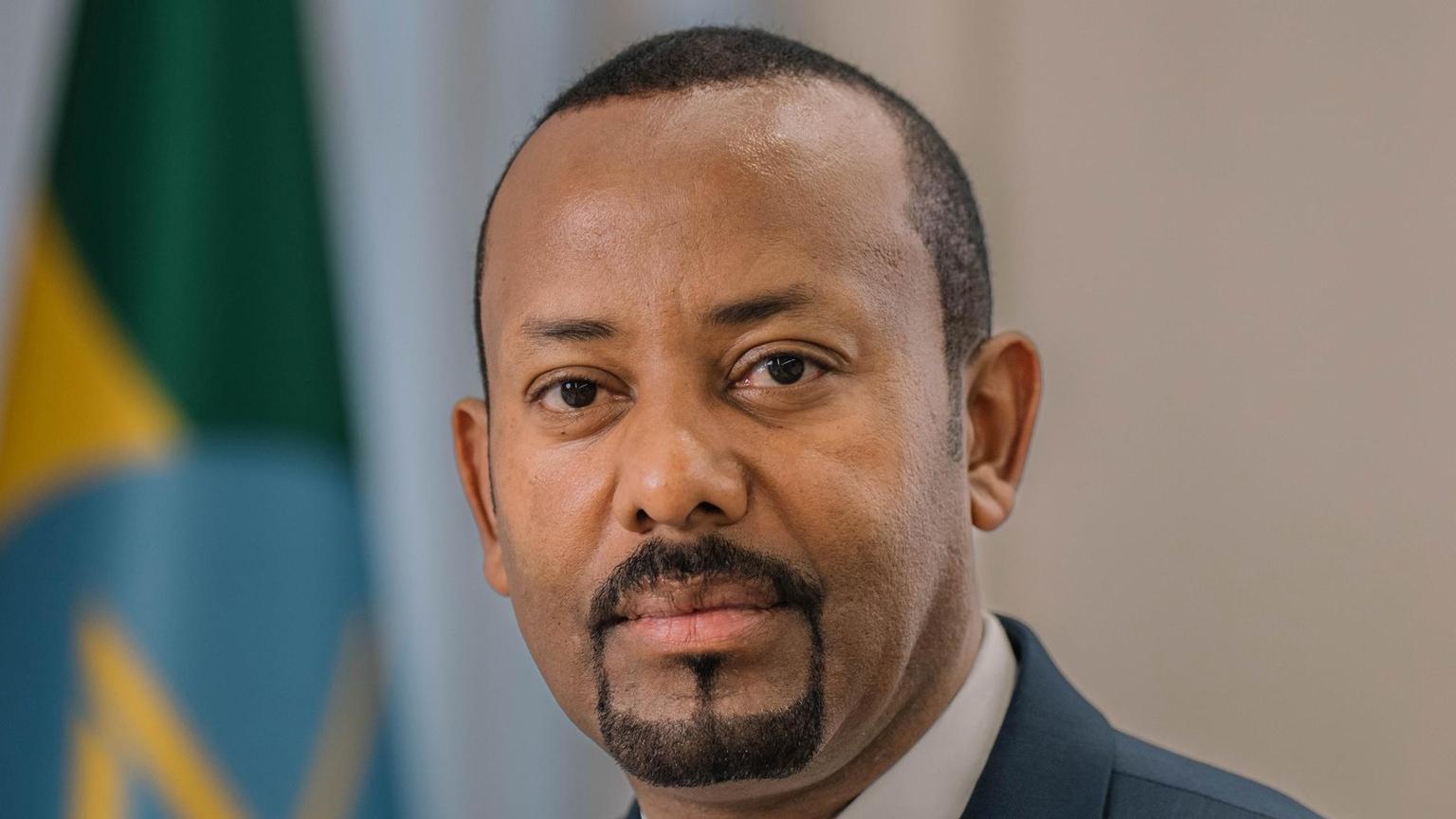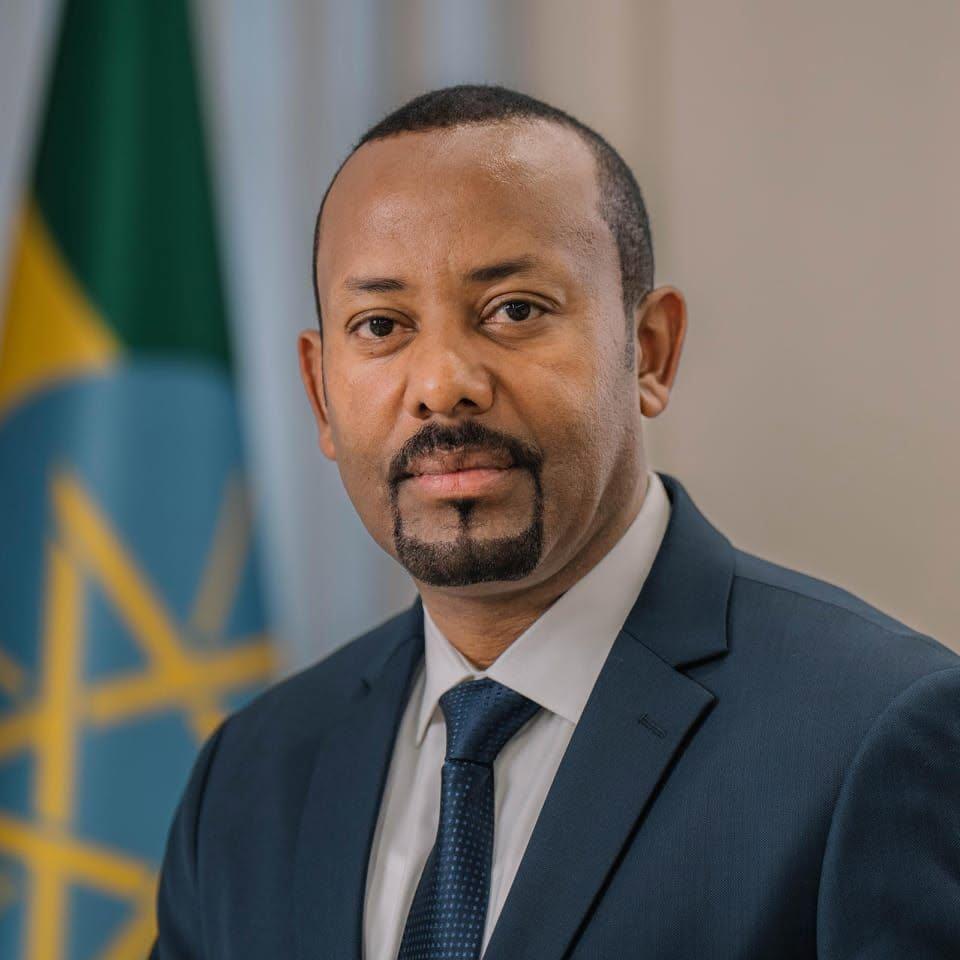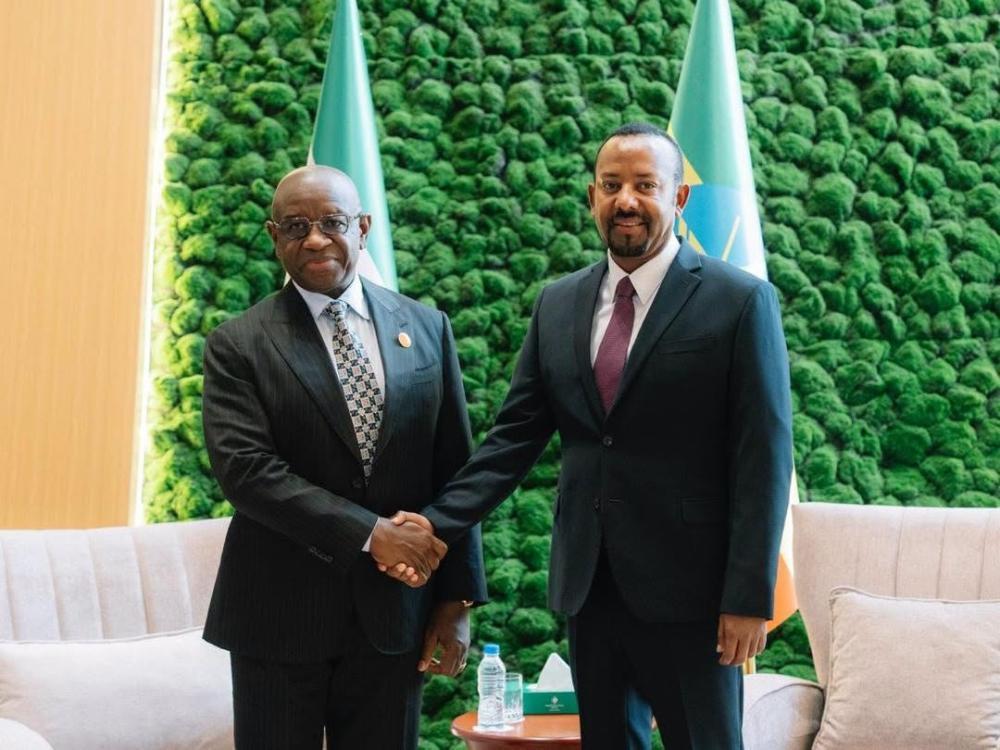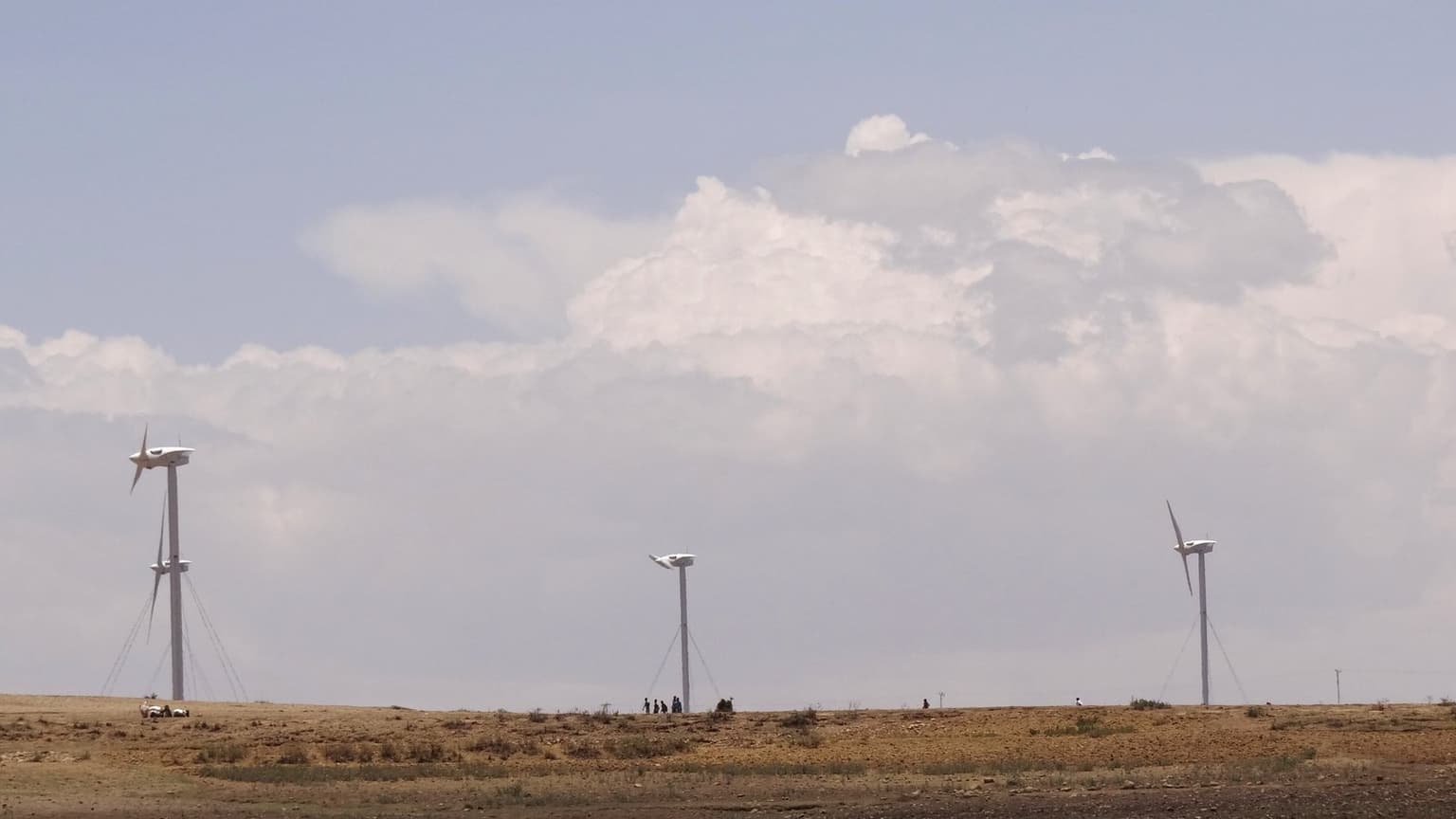
Prime Minister Abiy Ahmed on 16 April formally inaugurated the Assela Wind Farm, a 100 MW facility 150 kilometres south of Addis Abeba that began feeding power into Ethiopia's national grid in May 2025. The €146 million project was originally scheduled for commissioning in early 2023.
The wind farm comprises 29 Siemens Gamesa SG 3.4-132 turbines and is owned by the state utility Ethiopian Electric Power. The facility is expected to generate approximately 300 GWh annually when fully operational, enough to supply roughly 140,000 households, according to a May 2025 statement from Denmark's Ministry of Foreign Affairs, which funded the project.
The project was financed entirely by Denmark: a €117.3 million concessional loan from Danske Bank via Danida Business Finance, and a €28.7 million grant from Denmark's Investment Fund for Developing Countries. Abiy described the facility at the inauguration as "a gift of the Kingdom of Denmark" and said the project "demonstrates prudent borrowing and investment practices that prevent long-term debt burdens."
Advertisement
Siemens Gamesa originally announced the contract in January 2021 with a commissioning target of early 2023. The company delivered first power in May 2025, roughly two years and four months behind schedule. Neither Ethiopian Electric Power nor the Danish financing partners have published a public accounting of the delays. Construction of the substation feeding the facility into the national grid relied on a separate $10 million loan from the African Development Bank, according to Ethiopian Electric Power.
Speaking at the ceremony, Abiy said Ethiopia's total installed electricity generation capacity had reached 10,000 MW, up from 4,000 MW at the start of what he called the reform period roughly six to seven years ago. The Assela facility's 100 MW is about 1% of that total. Abiy said Ethiopian Electric Power had recorded its first-ever profit, 7 billion birr over six months, and that sector revenue had risen from 7 billion to 75 billion birr. The utility has not yet published audited financial statements covering the referenced period.
Ethiopia's electricity supply remains heavily dependent on hydropower, which is vulnerable to seasonal rainfall variation and has produced rolling shortfalls during dry seasons in recent years. Wind generation in the Arsi highlands tends to peak during the dry season, when hydropower output declines. The Ethiopian government has set a target of meeting 100% of domestic energy demand through renewables by 2030 and is due to host COP32 in 2027.
The government's 2017 National Electrification Program aimed for universal access by 2025, a target that has not been met. The Assela facility is operating alongside the recently inaugurated 120 MW Aysha II wind plant in the Somali Regional State, built with Chinese technology.
The inauguration came while Ethiopia's debt restructuring remained unresolved. Ethiopia has been in default on its sovereign debt since December 2023, when it missed a $33 million coupon payment. On 29 January 2026, the finance ministry said the Official Creditor Committee had found the government's agreement in principle with Eurobond holders, reached that month, incompatible with the comparability-of-treatment principle. A revised agreement with bondholders was reached on 29 June 2026, and on 21 August 2026 the ministry announced that the committee had found it compliant.