Ethiopia's deposit insurance scheme protects eligible bank and microfinance deposits up to 100,000 birr per depositor at each member institution. The distinction matters for savers who hold several accounts at the same bank.
The Ethiopian Deposit Insurance Fund (EDIF) collected 2.61 billion birr in premiums during the first quarter of the 2026/27 fiscal year, according to its financial performance figures reported by The Reporter on 31 October. The fund began operating in April 2023 under Council of Ministers Regulation No. 482/2021.
How much of your money is insured?
The limit applies to eligible deposits combined at one member institution. For example, a customer with 80,000 birr in savings and 40,000 birr in a current account at the same bank has 120,000 birr in deposits. Assuming both accounts qualify, the insurance covers 100,000 birr, leaving 20,000 birr outside the insurance limit.
Advertisement
By contrast, a customer with 60,000 birr in eligible deposits at each of two separate member banks would be within the limit at both institutions. The insurance ceiling is not a promise that every depositor will recover their entire balance.
Which accounts qualify?
According to the fund's official guidance, eligible categories include savings, current and fixed-term deposits, joint and trust accounts, and voluntary and compulsory savings. Foreign currency deposits are also covered, with their value translated into local currency.
There are exclusions. Deposits frozen by court order and deposits pledged as collateral for a customer's own loan are among them. Certain deposits belonging to financial institutions, government bodies, bank executives and influential shareholders are also excluded.
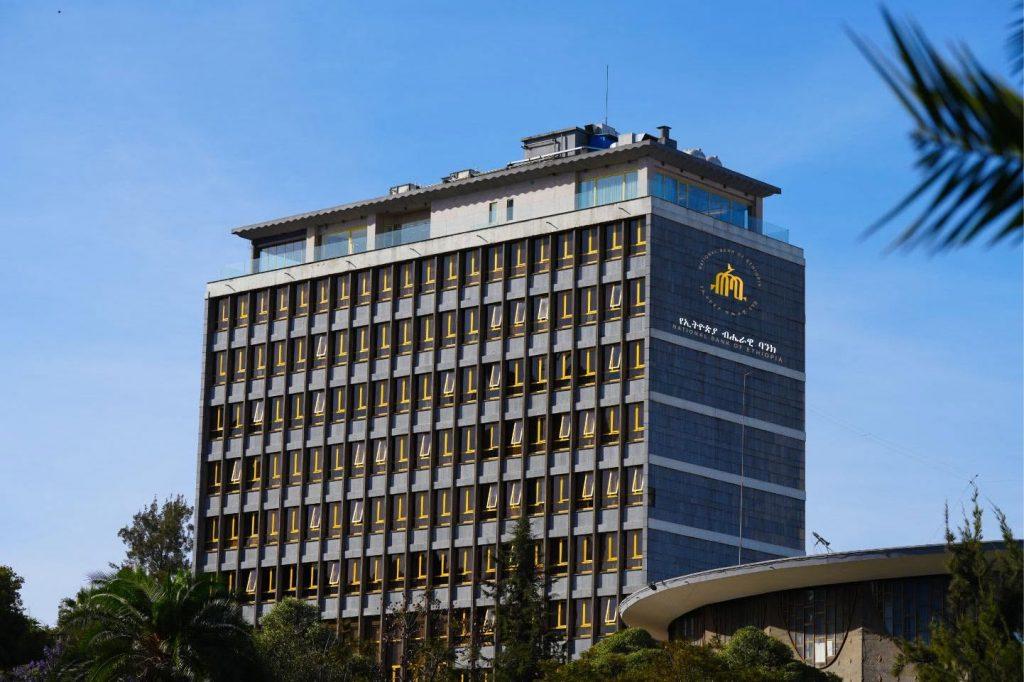
Membership is compulsory for commercial banks and microfinance institutions licensed by the National Bank of Ethiopia.
How would customers get their money?
The fund says it uses an agent bank to distribute insured deposits when a member institution fails. Its public guidance says it should be ready to begin payments within 28 days of the failure. This is a timetable for starting payments, not a guarantee that every customer receives money within that period.
The fund collects premiums from member institutions and invests funds in government Treasury bills to generate income and support its ability to reimburse depositors.
For customers, the key distinction is between the total balance they hold and the portion eligible for insurance at each institution. Having multiple accounts at one bank does not multiply the 100,000 birr ceiling.