Jim Baird, a Republican member of the US House of Representatives, has proposed two bills that would make expanded trade and economic cooperation with Ethiopia and Eritrea contingent on progress towards lasting peace between the neighbours. Relations between the two countries have deteriorated sharply since October.
The draft Ethiopia SPARK Act and Eritrea PILLAR Act were first reported on 19 November by The Hill, which received the texts exclusively in draft form. According to that report, both countries would be offered formal trade negotiations and wider access to US agricultural products, including corn, soybeans, soybean meal and livestock feed, as well as farm machinery, agricultural research and technical assistance. Each offer would depend on steps towards establishing lasting peace.
The proposals also envisage US help in developing the region's mineral resources, including gold, silver, copper, zinc, iron ore, potash, cement, limestone, natural gas and oil, alongside cooperation on port infrastructure. Washington could offer reduced tariffs and improved trade terms as further incentives. The legislation also aims to strengthen US economic influence in the Horn of Africa and reduce China's foothold there, according to the report.
Advertisement
Baird represents Indiana and sits on the House Foreign Affairs Subcommittee on Africa. He presented the plan as a commercial opportunity for the United States as well as a peace measure. "African nations are primed for partnership," he said in a statement to The Hill. "The continent is rich in natural resources and home to a young, growing population eager for greater economic opportunity. In Indiana and across America's heartland, we have the agricultural expertise and technological know-how to help unlock that potential and build lasting economic partnerships."
"East Africa has tremendous potential, with the benefit of limited influence from America's adversaries, like China," he added. Baird said African countries pursuing peaceful cooperation and economic growth would find a willing partner in the United States.
The bills take an economic engagement approach, offering trade and minerals cooperation as incentives rather than relying primarily on sanctions or military pressure. They remain drafts, and whether they advance will depend on how much support they attract in Congress.
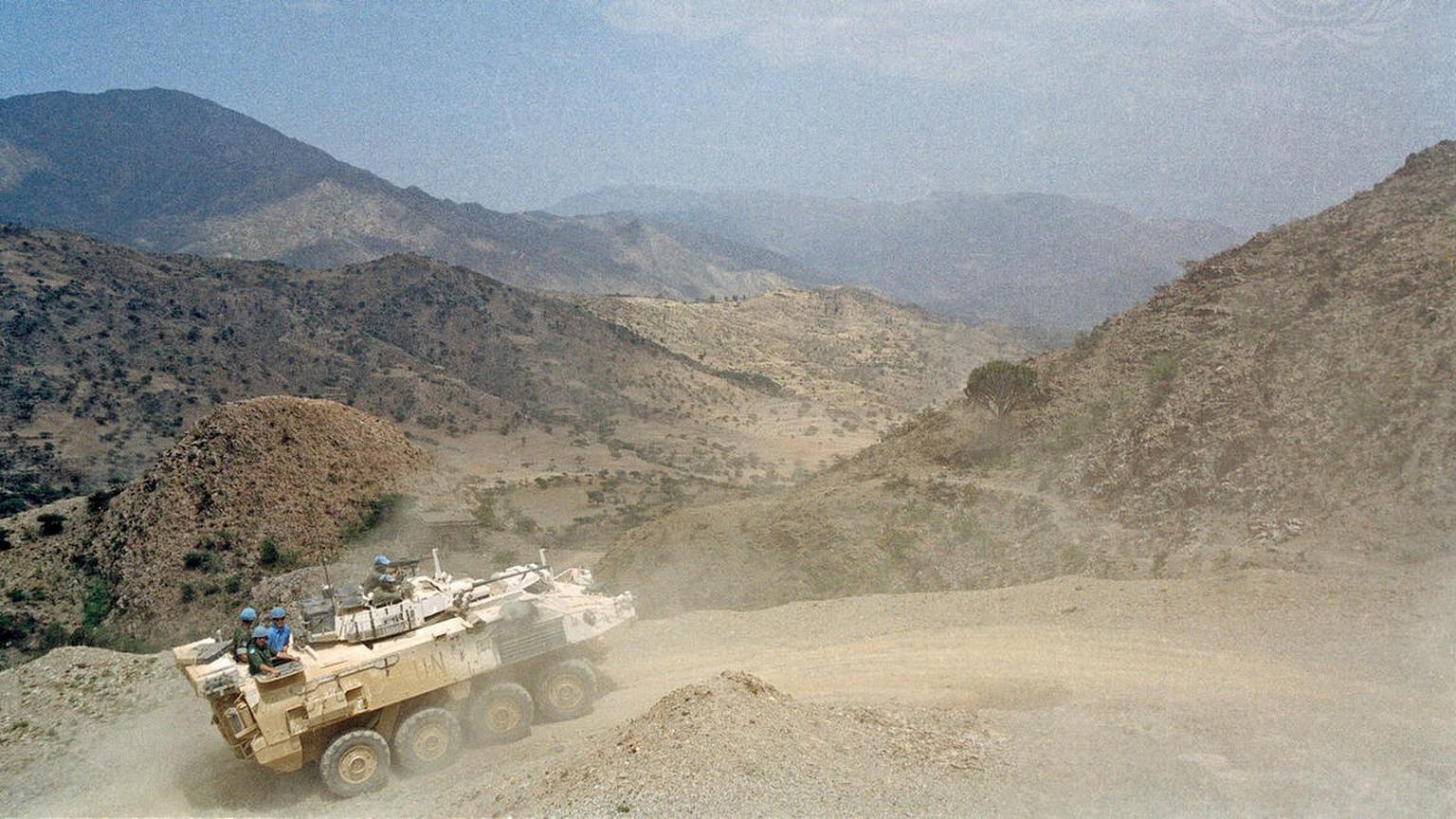
Diplomatic relations between Ethiopia and Eritrea broke down on 1 October, when Ethiopia closed its embassy in Asmara and expelled Eritrean diplomats. Eritrea did the same in response. The two governments have since accused each other of aggression at the United Nations. Reports of troop movements, drone strikes and artillery activity around Badme, the disputed border town, have increased fears of military escalation. Competing claims over sovereign access to the Red Sea and mutual accusations of interference have added to the tensions.
US Secretary of State Marco Rubio has called for de-escalation and a return to the peace declaration the two countries signed in July 2018. That agreement ended the stalemate that followed their 1998–2000 border war. In a letter to Rubio dated 10 November, Democratic members of the Senate Foreign Relations Committee warned that the prospect of another war between Ethiopia and Eritrea was high. They called for sustained and coordinated US diplomatic engagement.