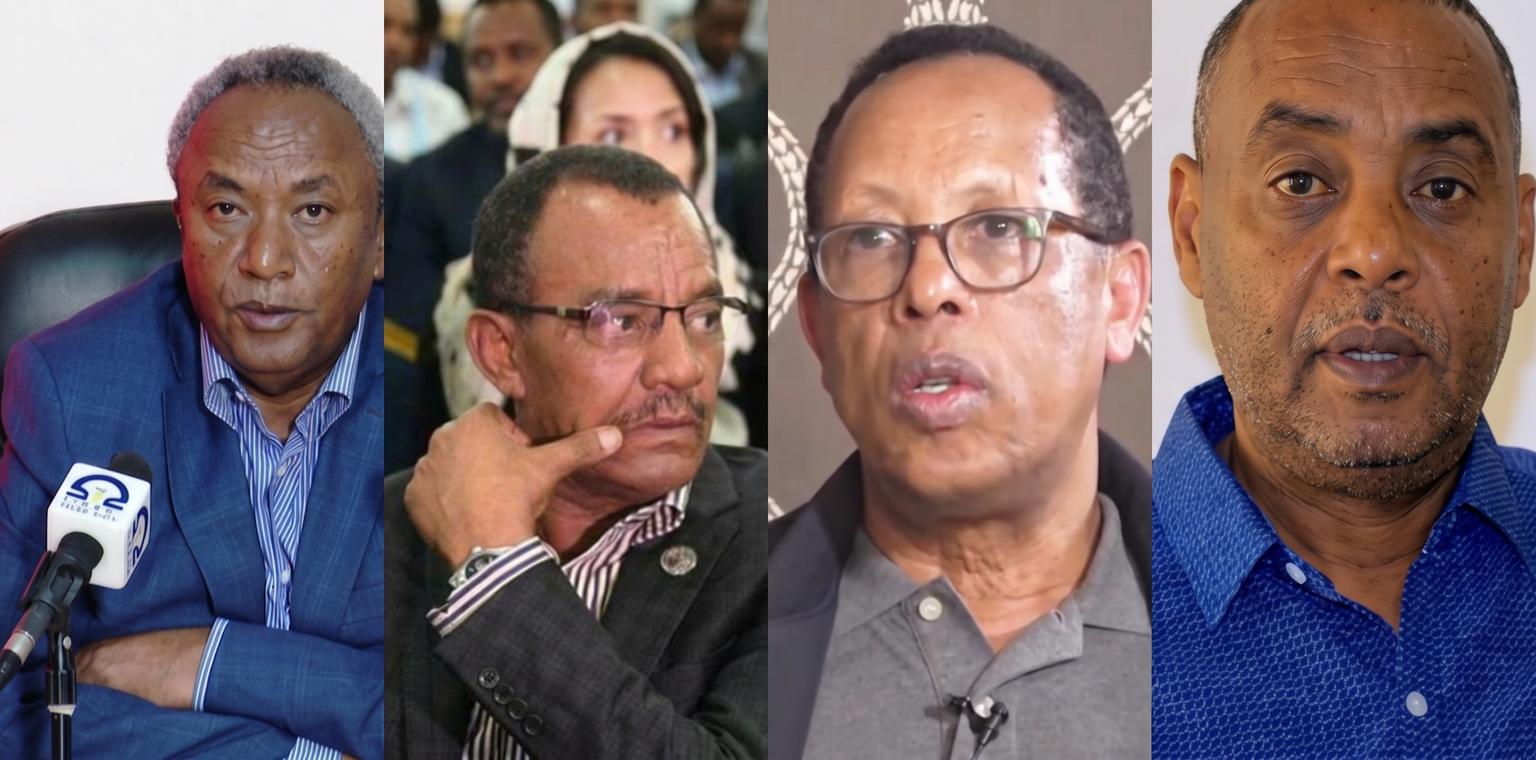
Lieutenant General Tadesse Werede, the former head of Tigray’s interim administration, and three other senior regional figures escaped from detention by forces aligned with the Tigray People’s Liberation Front (TPLF) near the Eritrean border, according to one of the men, Colonel Tewolde Gebretensae.
Tewolde, a former head of Tigray’s military intelligence, described the escape in interviews made public on 13 October. The other men were Colonel Gebregziabher Alemseged, a former adviser to Tadesse, and Isaias Tadesse, another former interim administration official. Tewolde said the men had been held at several locations as fighting spread across northern Tigray.
He disputed accounts that the group had been released by their captors. He said they organised their own escape after concluding that their guards would not let them go, although he declined to explain all the steps involved or identify everyone who helped.
Advertisement
According to Tewolde, security personnel took the four men from Mekelle during the withdrawal of TPLF-aligned forces from the regional capital. He recalled being driven through the night but said he could not remember the exact date. A separate account places their removal from Mekelle on 2 October.
The detainees were then separated. Tadesse and Isaias were taken to Axum, while Tewolde and Gebregziabher were held in Adwa. Tewolde said they were confined in hotels, prevented from receiving family visits and denied communication with people outside their places of detention.
Tewolde said he was not beaten or verbally abused but described a period in Adwa when he was given food only once in four days. He said the meal consisted of bread and shiro, and that guards gave the men little information about why they were being held or who had ordered their detention.
He also said he was unable to identify the authority responsible for the arrests. According to his account, police and judicial officials did not accept responsibility for the case, while the guards remained their only regular contact with the outside world.
The group was later moved to Rama, close to Ethiopia’s northern border with Eritrea. Tewolde said they spent approximately five days there, initially in a hotel and later in a private residence. He described their treatment in Rama as better than in Adwa but said the movement towards the border alarmed the detainees.
Tewolde alleged that the men were being prepared for a transfer into Eritrea. He said they saw people crossing the border, heard conversations about the area and received information that convinced them of the danger. An order to hand the four men over to Eritrean authorities has not been independently established.
He said the detainees decided they could not allow themselves to be taken farther. Their preparations involved other people and carried a risk to their lives. In a separate account, Tewolde credited the cooperation of guards, drivers and members of the Rama district administration, saying the escape took place on 12 October.
Tewolde said he reached Mekelle on 13 October as a civilian and did not return to the city in the same vehicle as Tadesse or under escort by the Ethiopian National Defence Force. The precise arrangements by which the other three men reached safety remain unclear.
He also rejected suggestions that the men had been held for their own protection. He described their detention as political, linking it to disagreements with the TPLF leadership over renewed fighting and efforts to restore the regional administration that had existed before the 2020–2022 war.
Tewolde said he and the other officials had opposed a return to war and argued that reversing the transitional arrangements would undermine the Pretoria peace agreement. He said Tigray’s population needed food and peace rather than another conflict. These were his explanation of the motives behind the detention, not an independently established finding.
Tadesse became head of Tigray’s interim administration in April 2025, succeeding Getachew Reda. The TPLF later moved to restore the pre-war regional council and install its chairman, Debretsion Gebremichael, as regional leader, deepening a dispute over the administration’s legitimacy.
Renewed fighting between federal forces and TPLF-aligned troops began in late September 2026. Federal and allied forces subsequently entered Mekelle, while fighting and competing claims over control of other northern towns continued. The wider conflict has placed additional strain on the Pretoria agreement, signed in November 2022 to end two years of war.
The four men’s detention had raised concerns among their families about their safety, particularly after they were moved north towards Eritrea. Tewolde said he was relieved to survive alongside his colleagues but remained distressed by the damage the renewed fighting was causing to Tigray.
Tewolde has not given a complete account of the escape, and the allegation that the detainees were to be transferred to Eritrea remains unverified.