Haftu Strintzos, who spent his early childhood herding sheep and goats in the mountains of Tigray, finished fifth at the New York City Marathon on 1 November in 2 hours 6 minutes 34 seconds. The result meets the entry standard for the 2028 Olympic Games in Los Angeles.
His time was 33 seconds behind the winner, Andreas Almgren of Sweden, who ran 2:06:01, and 14 seconds outside the Australian record of 2:06:20 that Strintzos set at the Gold Coast Marathon in July. He said he was happy with the performance and had tried for a podium finish.
Under World Athletics qualification rules for the Los Angeles Games, a top-five finish at a Platinum Label marathon during the qualifying window meets the Olympic entry standard. That window opened on 1 November, the day of the race, so his New York run counts towards qualification. It does not put him on the team. Selection for Australia's 2028 Olympic squad remains subject to Australian Athletics.
Advertisement
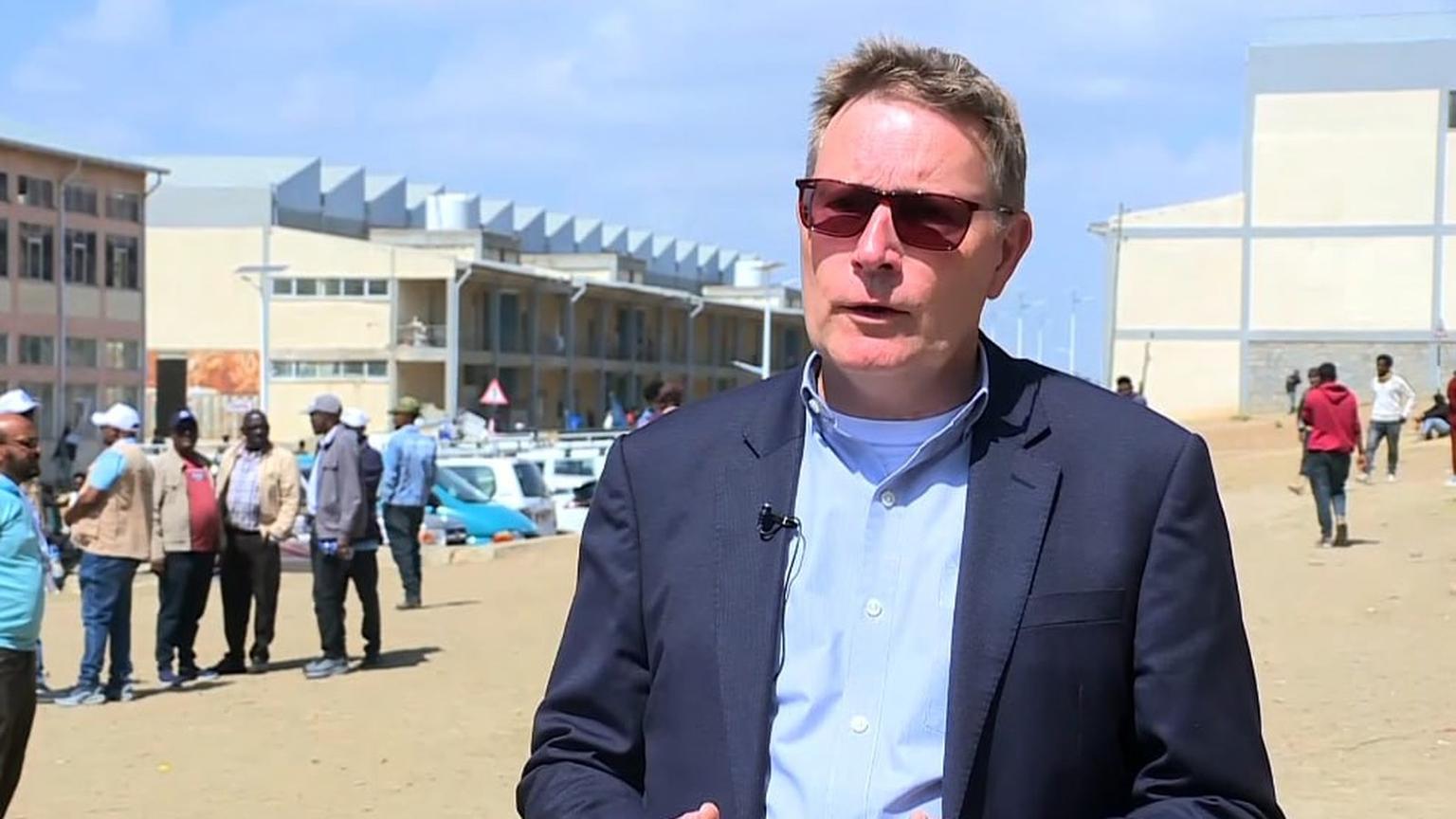
In a September feature, ABC journalist Damien Peck interviewed Strintzos, his adoptive mother, Maria Strintzos, and his coach, Adam Didyk, about how a shepherd boy from northern Ethiopia became Australia's fastest marathon runner.
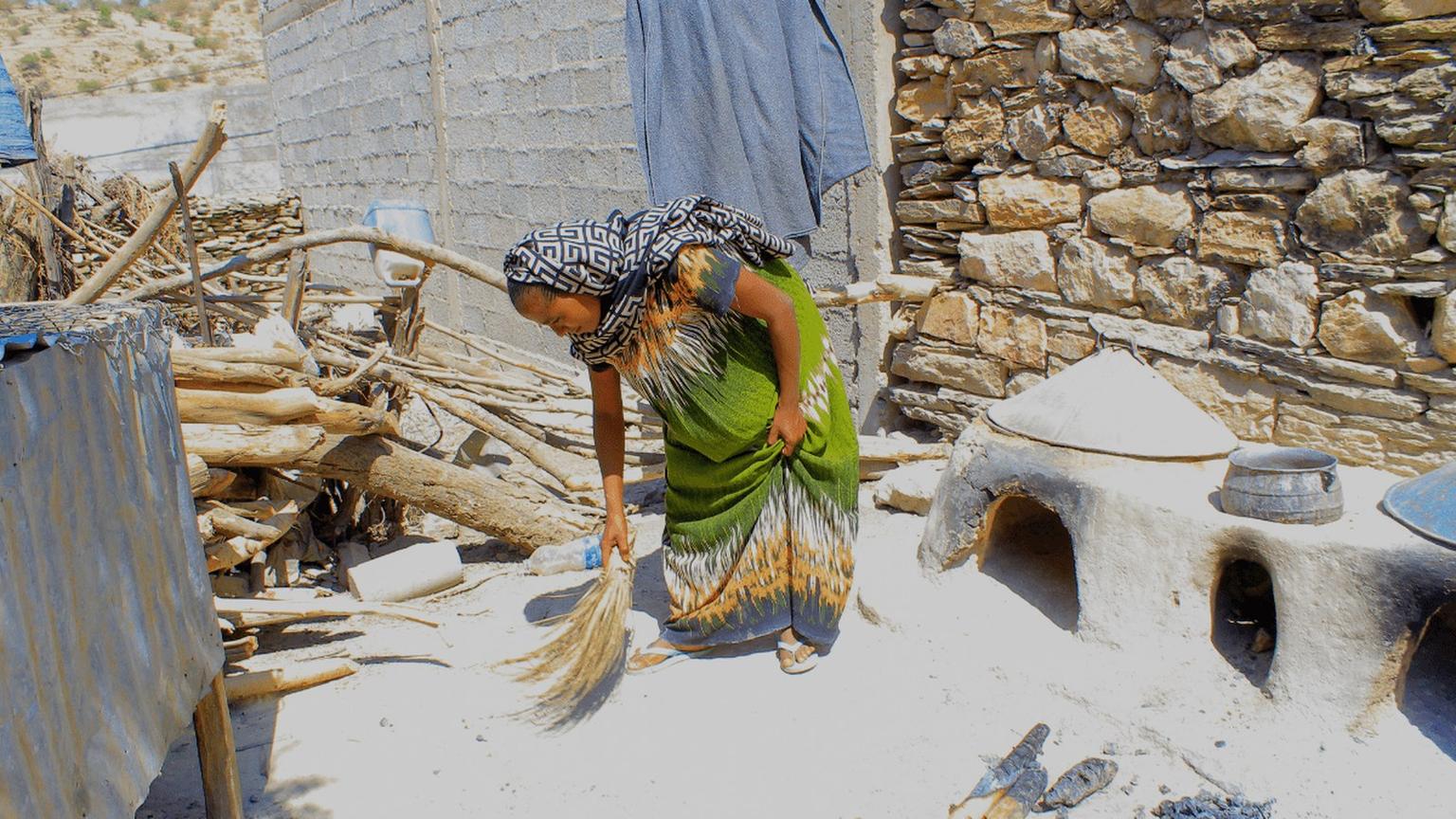
Strintzos was born in eastern Tigray. He grew up barefoot, herding animals at high altitude in a home without running water or television. Both his biological parents had died by the time he was six, and he lived with his grandmother, Shifta, and extended family.
Maria Strintzos, a Greek-Australian aid worker, first met him in 2007, when he was eight. He had guided his nearly blind grandmother through the mountains to meet her. Maria later adopted him and brought him to Melbourne in 2011.
The ABC feature describes a difficult adjustment, including learning English, travel sickness and racism. It also describes a boy who at first did not understand how a television worked and became fascinated by electrical devices. He went on to earn a master's degree in electrical engineering at Villanova University in the United States. He speaks Tigrinya, Amharic, Greek, Japanese and English.
His running began at school in Australia. After he ran a cross-country race, a physical education teacher encouraged him to keep going. Didyk later took over his training, at times setting him up to 190 kilometres a week.
The breakthrough came at the Gold Coast in July. According to the race organisers' official release, his winning time of 2:06:20 broke the course record of 2:07:33. It also beat the Australian and Oceania record of 2:06:22, held by Andy Buchanan, by two seconds. He became the first Australian man to win the race since Lee Troop in 2006.