The World Food Programme (WFP) is giving emergency food to thousands of families who fled violence in southern Ethiopia for the Moyale area of northern Kenya, the UN agency said on 17 November.
According to WFP, roughly 30,000 people crossed the border after inter-communal clashes in October. They are staying with relatives and host families, or in schools and communal centres. The clashes began on 22 October on the Ethiopian side of Moyale, a town that straddles the border and, on the Ethiopian side, is shared by Oromia and Somali Region. The Kenyan side lies in Marsabit County.
WFP started distributions on 11 November with the Kenyan government, the Kenya Red Cross Society and other humanitarian partners. Families staying with host communities receive dry rations of sorghum, yellow split peas and vegetables. Food is also being supplied to provide hot meals for people sheltering in communal centres.
Advertisement
The agency said it used its own internal resources to fund the first phase. It said additional funding will be needed if displacement continues or needs increase.
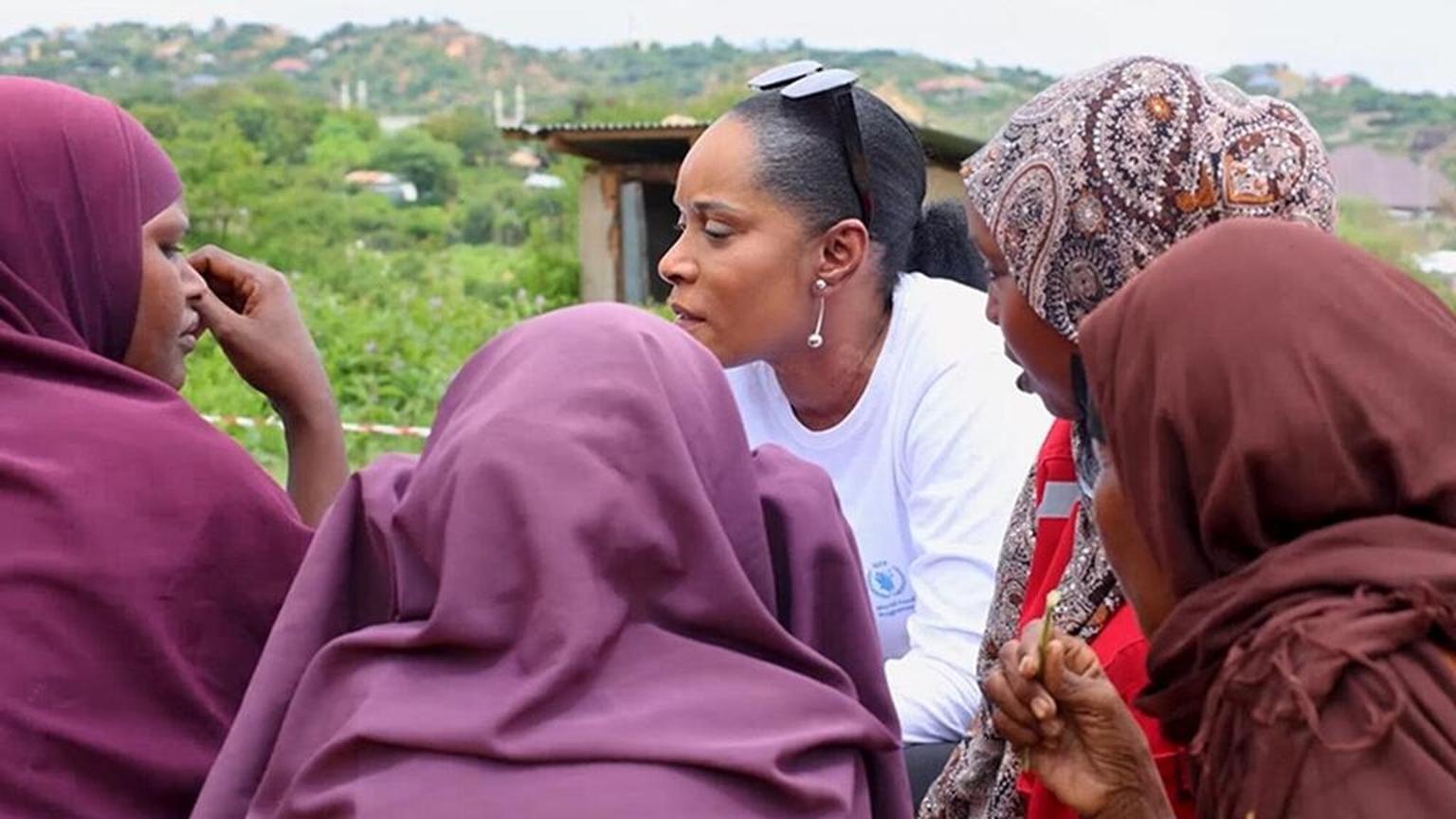
"Many have left behind their homes, their livelihoods and everything they know," said Betty Ka, WFP's country director in Kenya, who recently visited Moyale. "For families who have already lost so much, hunger should not be a concern."
One of the displaced, a 37-year-old father of five named Alexander, told WFP he had seen people killed, including his own sister. "I want to go to Nairobi, not stay here. I cannot go back. There is no work. My wife is here with our three-month-old baby," he said.
Other estimates of the number of people who crossed are higher than WFP's. An earlier humanitarian assessment put the number at about 50,000 by 29 October. That assessment also found that more than seven in 10 households were reporting insufficient food. The two estimates were made at different times.
Local media reported in late October that a dispute over the display of the Somali regional state flag in Moyale, a city administered by both Oromia and Somali regions, set off the fighting. By 26 October the fighting had spread across seven districts and caused deaths, injuries and destruction of property. The UN cited reports that the clashes between rival forces have deeper roots in long-standing local disputes over land ownership, governance, ethnic differences and political disagreements.