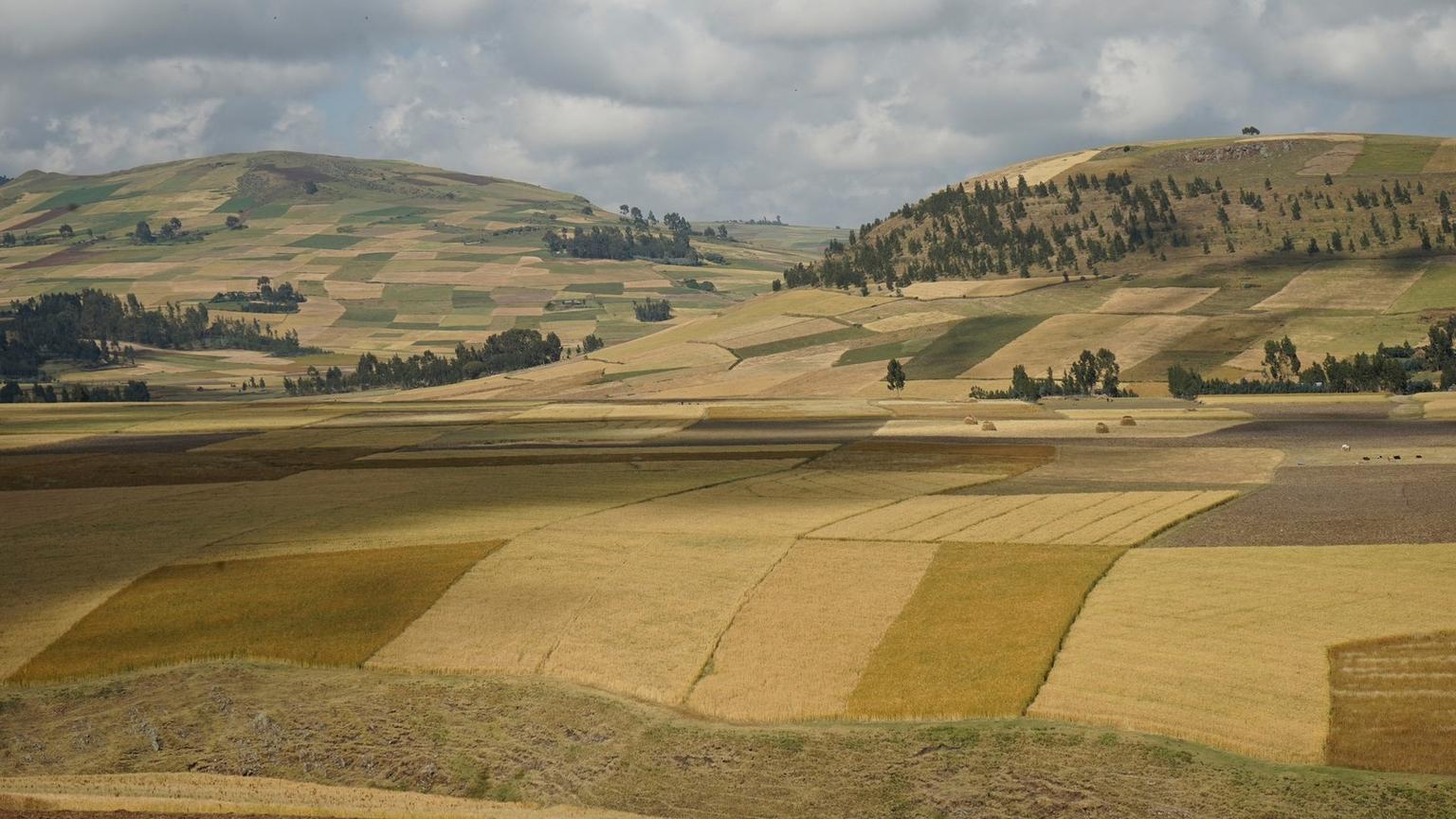
Wholesale prices of locally produced maize in Ethiopia rose by 70% to 90% between December 2025 and September 2026 and reached record levels, the UN Food and Agriculture Organization (FAO) said. Rainfall shortages linked to El Niño have damaged the 2026 main harvest.
The figures come from the FAO's latest Global Information and Early Warning System (GIEWS) country brief on Ethiopia. Prices did not ease once harvesting began. In its regional market roundup, the FAO said Ethiopian wholesale maize prices kept rising in October, up 4.8% from September, and stood 88% to 93% higher than a year earlier.
The agency linked the nine-month rise to seasonal market trends, the continued fall of the birr, high fuel prices and the transport costs that follow from them. Ethiopia floated the birr in July 2024. The FAO said that, more recently, worries about the 2026 Meher harvest, the country's main crop season, have pushed maize prices up further.
Advertisement
Maize is one of Ethiopia's major cereals. The FAO estimated 2025 maize output at 10.3 million tonnes, up 1% from 10.2 million tonnes in 2024.
Rains failed in the north and east
The FAO said rainfall deficits associated with the current El Niño event were a major factor in the 2026 main season. The June–September Kiremt rains, which feed the Meher crops, fell well short, particularly in Tigray, eastern Amhara and eastern Oromia.
In those areas, dry weather badly affected crop germination and growth. The worst-hit locations suffered substantial production losses. Rainfall improved towards the end of the season in some places, but too late to reverse much of the damage.
Meher crops planted in June and July began to be harvested in October, and harvesting is expected to continue until December. The FAO warned that any improvement in food security after the harvest could be limited and short-lived in areas with large production shortfalls.
The smaller Belg season also suffered. Belg crops were harvested by July in southern Tigray, eastern Amhara, southeastern Oromia and the former Southern Nations, Nationalities and Peoples' region. Total February–May rainfall was generally average to above average, but it was unevenly spread. Below-average rain in February was followed by heavy rain in March, which brought nearly half the season's total. Rain then fell off again in April and May, leaving soils short of moisture at critical stages of crop growth and causing localised losses.
Output grew in 2025
The weak 2026 season follows modest growth in 2025. According to FAO estimates, total cereal production reached about 30.266 million tonnes in 2025, up 1.3% from 29.875 million tonnes in 2024. Wheat output rose 4.8% to 6.5 million tonnes.
Mixed picture for herders
Conditions in pastoral areas differ by region. In southern Oromia and southern Somali Region, the October–December Deyr/Hageya rains started on time. October rainfall reached two to three times the long-term average, which helped pasture and water supplies recover. The FAO said above-average rain could also raise the risk of flooding in flood-prone areas.
In northern Afar, poor June–September Karan/Karma rains left pasture and water sources depleted. Livestock entered the dry season in below-average condition. The FAO warned that their condition could worsen further before the March–May 2027 Diraac/Sugum rains, which could affect productivity, reproduction and milk supply.
Prime Minister Abiy Ahmed said in late November that Ethiopia had come through the most critical phase of a potentially severe El Niño. He said federal and regional authorities had taken preventive measures months before dry conditions peaked.
A study by the International Food Policy Research Institute, published on 17 November, projected that El Niño and high fuel prices could push 905,000 more Ethiopians into poverty in a moderate scenario.