Prime Minister Abiy Ahmed told parliament on 26 November that Ethiopia would use the Abay, as the Blue Nile is known in Ethiopia, without anyone's permission. He also pledged to respect the water needs of Egypt and Sudan downstream.
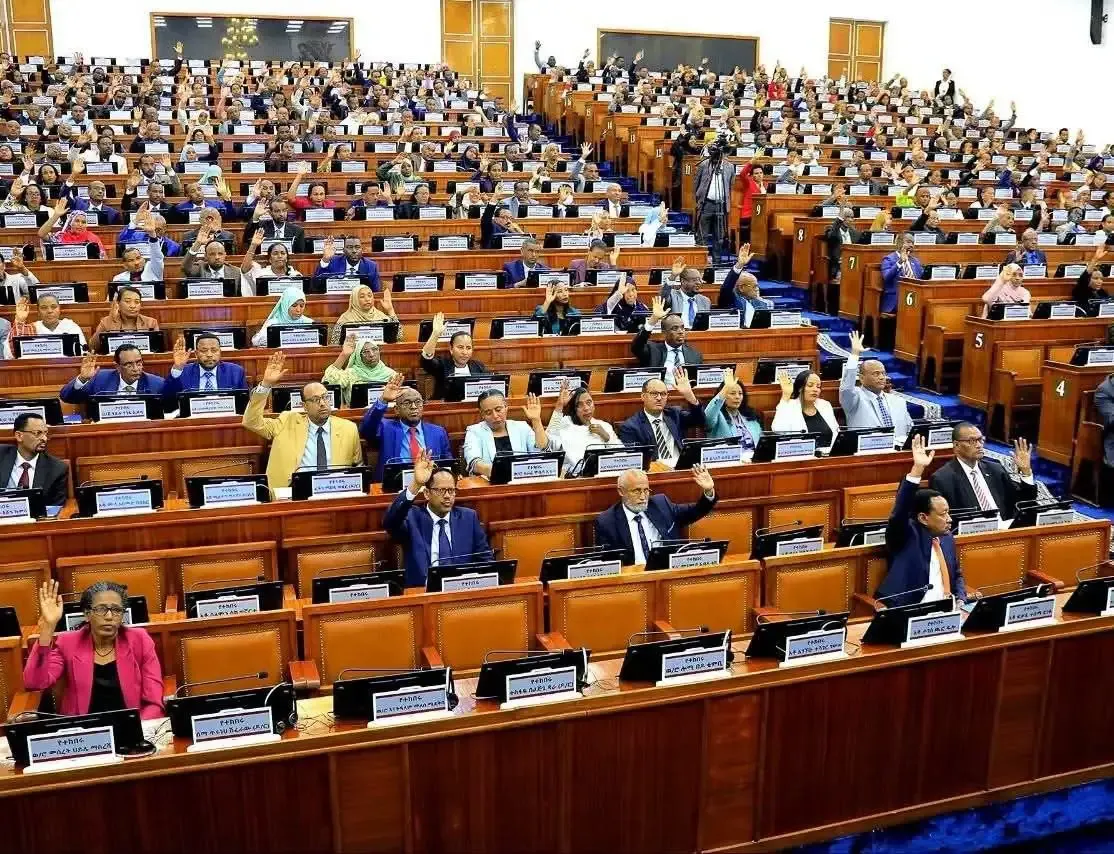
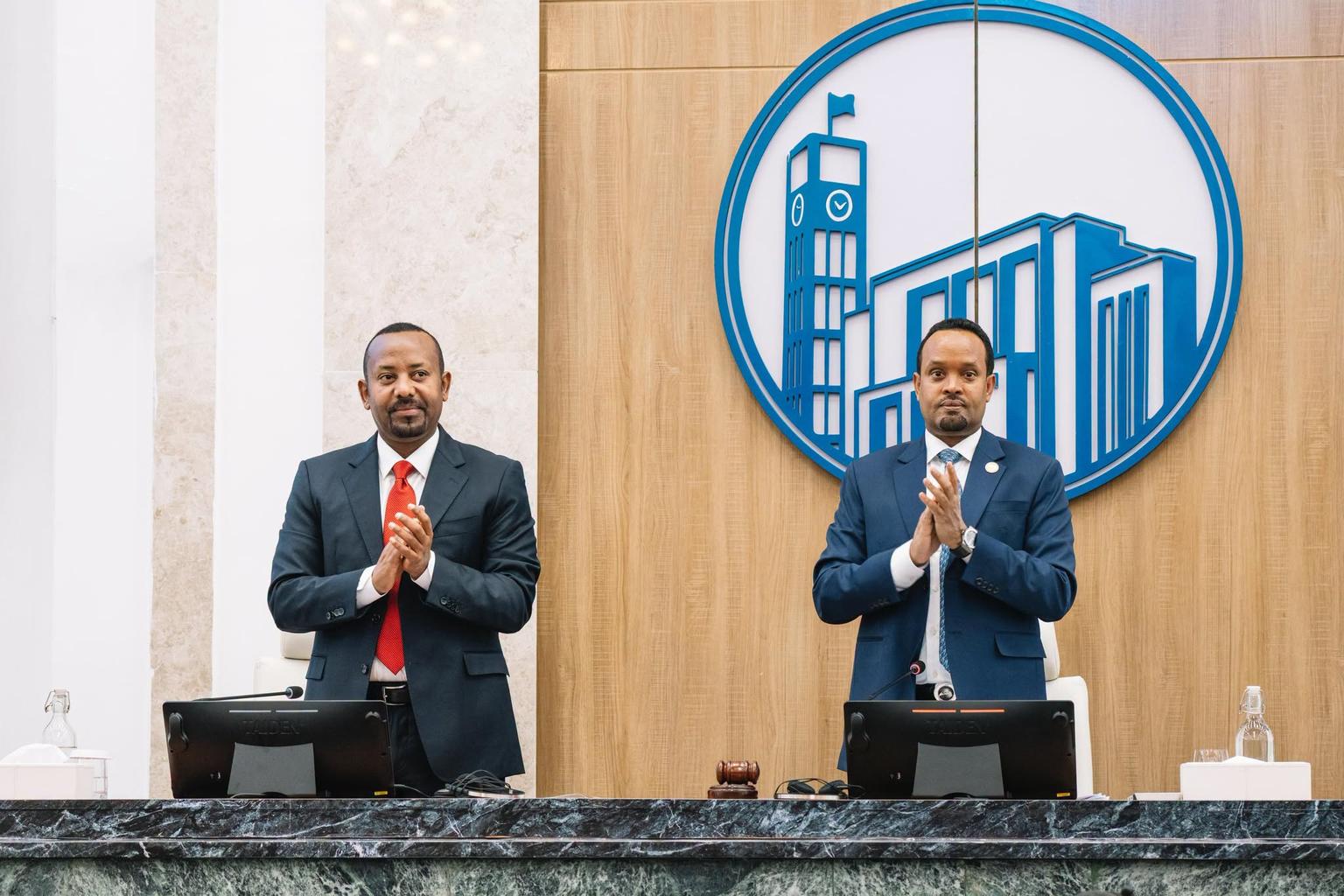
Abiy was answering questions from members of the House of Peoples' Representatives on regional diplomacy and water resources. He described the river as a divine gift. "Abay is a potent remedy given to us by the grace of God, and we will use it. We do not need anyone's permission for that," he told parliamentarians.
He said harnessing the river was essential to reducing poverty, expanding energy production, strengthening food security and improving citizens' livelihoods. He described Ethiopia's development ambitions as inseparable from its sovereign right to use its natural resources.
Advertisement
Abiy said that right did not mean ignoring countries downstream. "Abay does not belong to us alone; it is also the rightful share of our neighbors, which we respect and protect for them," he said. He added: "We have no desire to use it exclusively; we will use it lawfully, assist, and cooperate." He said Ethiopia was prepared to act responsibly to ensure that Egypt and Sudan, in particular, receive sufficient water.
The remarks follow a sharper message from his water minister. On 24 November, Water and Energy Minister Habtamu Itefa urged Egypt to modernise its domestic water management, reconsider water-intensive farming and consult Ethiopia before undertaking development projects involving the Nile. Egypt and Sudan had renewed their opposition to Ethiopia's independent management of the Grand Ethiopian Renaissance Dam (GERD), invoking historical Nile water-sharing agreements and demanding a binding legal framework, Addis Standard reported on 3 November. The three countries have not concluded a legally binding agreement on filling and operating the dam, which Egypt has long argued threatens its water security.
Abiy rejected the idea that Ethiopia's development must come at the expense of downstream countries. He welcomed reports of expanding agriculture in Egypt and said Ethiopia wanted to see it flourish alongside growth in its own energy sector, with both advancing through cooperation.
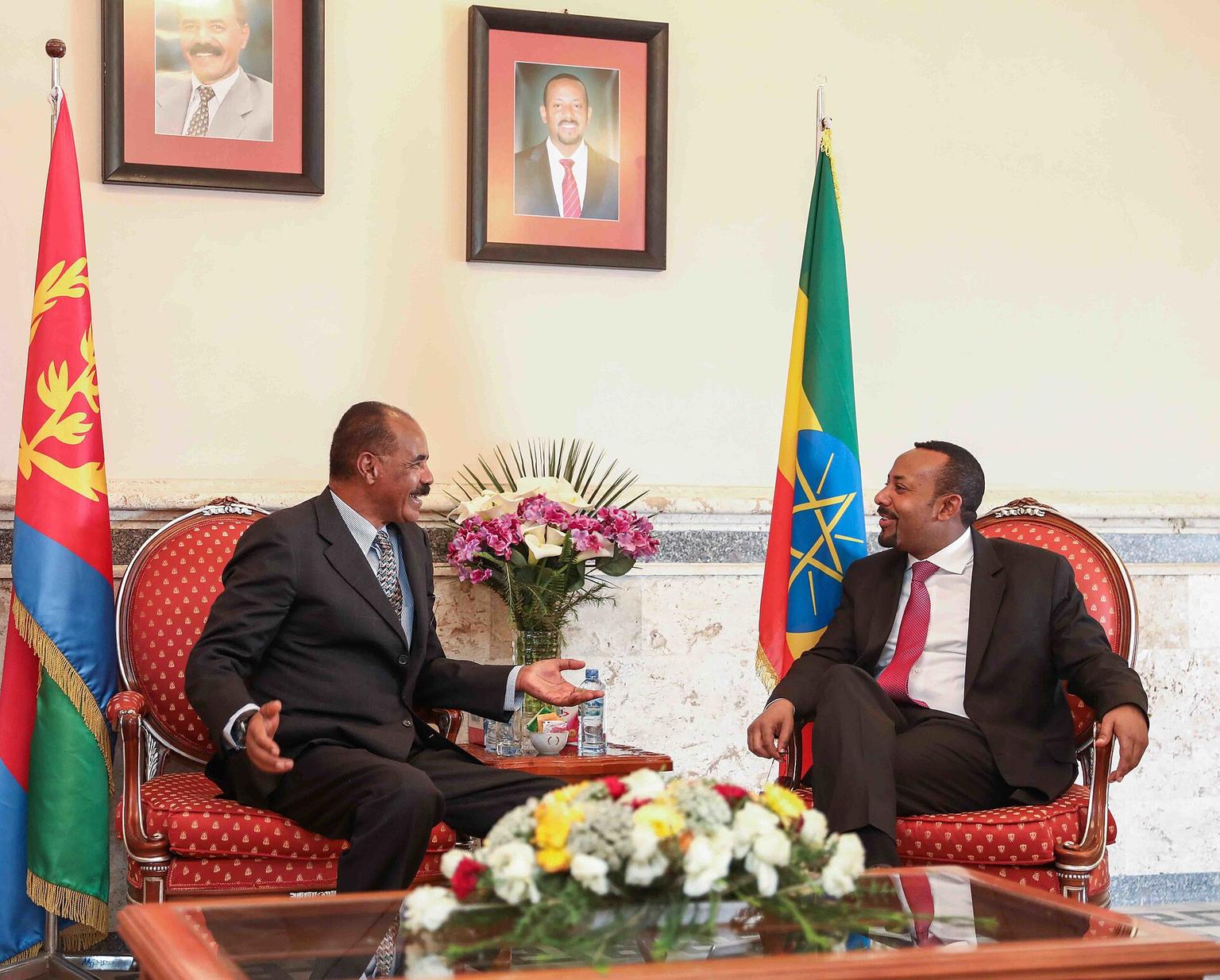
He said Ethiopia already supplies fresh water to neighbours including Eritrea, Somalia, Kenya, Sudan and Djibouti, partly through natural river systems and partly through infrastructure such as pipelines. Against that background, he questioned why water-sharing should remain a point of contention with Egypt and Sudan. He also called for education and public messaging that promote brotherhood among the peoples of Ethiopia, Egypt, Sudan, Djibouti and Eritrea rather than hostility.
On conservation, Abiy said Ethiopia plants trees so that the Abay does not diminish. He pointed to the Green Legacy Initiative, a national tree-planting programme under which more than 56 billion seedlings have been planted since 2019, according to Fana Broadcasting. He also spoke of protecting the river's source from deforestation, soil erosion and siltation.
In the same session, Abiy said the Red Sea's status as a "shatter zone" of prolonged rivalry and instability would not last indefinitely and could end within five, 10 or 15 years. He suggested that new shipping routes, particularly through the Arctic, could reduce the Red Sea's strategic importance. He said Ethiopia would still need access to the sea, and cited arrangements between Jordan and Saudi Arabia as an example of countries securing access through negotiated agreements.