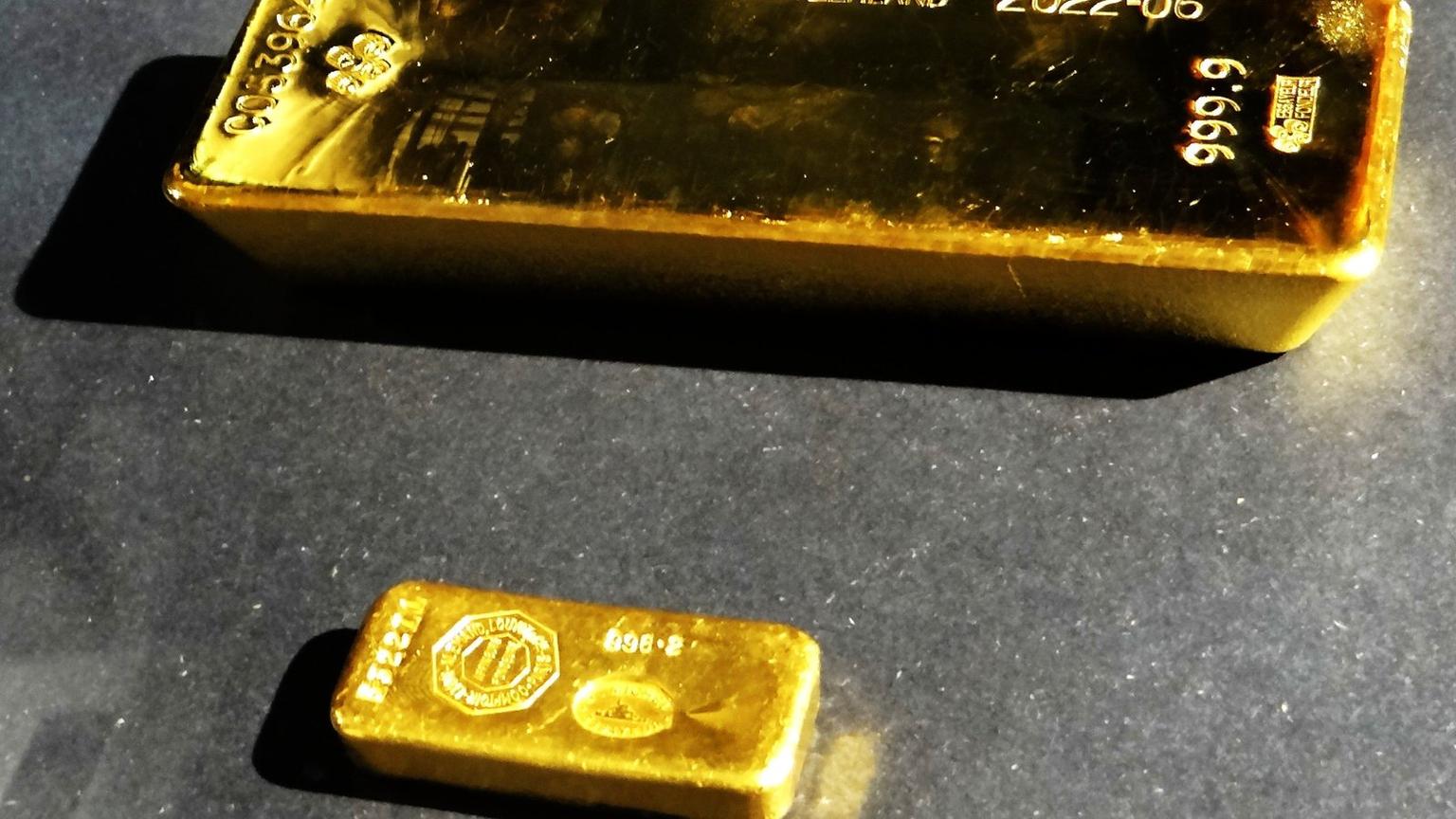
Prime Minister Abiy Ahmed inaugurated the National Precious Metals Refinery at the Bole Lemi Special Economic Zone in Addis Ababa on 10 October, a facility the government presents as a step towards refining gold and other precious metals inside Ethiopia rather than exporting them unprocessed.
The refinery has a planned initial annual processing capacity of more than 600 tonnes of precious metals, with an estimated valuation capacity of about $80 billion a year, according to reports. Those figures refer to the plant's stated processing and valuation capability, not to Ethiopia's annual gold output or projected export earnings.
The account of the inauguration and the figures attached to it come from state-aligned reports and could not be independently verified.
Advertisement
The project is a joint venture between Ethiopian Investment Holdings (EIH), which holds a 51% stake, and Sam Precious Metals, which owns the remaining 49%. EIH, established in 2021, is the state's sovereign wealth fund.
Speaking at the launch, Abiy said the refinery would significantly improve Ethiopia's foreign trade balance by enabling the country to add value to its mineral resources. He also said the new refining capacity could significantly increase gold export earnings by allowing more value to be extracted from gold and other precious metals before they enter international markets, and that the plant could position Ethiopia as a major centre for precious-metals refining in Africa, according to reports.
The Office of the Prime Minister said the facility is set to strengthen domestic value addition, expand industrial capacity and support the country's ambition to become a regional hub for precious-metals refining and manufacturing. The government describes the plant as Ethiopia's first national precious metals refinery, and Abiy announced its launch in a social media post.
According to performance figures presented earlier by the Ministry of Mines, Ethiopia produced approximately 44 tonnes of gold during the concluded fiscal year, generating a record $5.65 billion in foreign-exchange earnings.
How much the economy gains will depend on the refinery's operating costs, the amount of gold processed, the quality of its output and the commercial terms offered to producers, according to reports; domestic refining capacity alone does not guarantee higher export earnings.