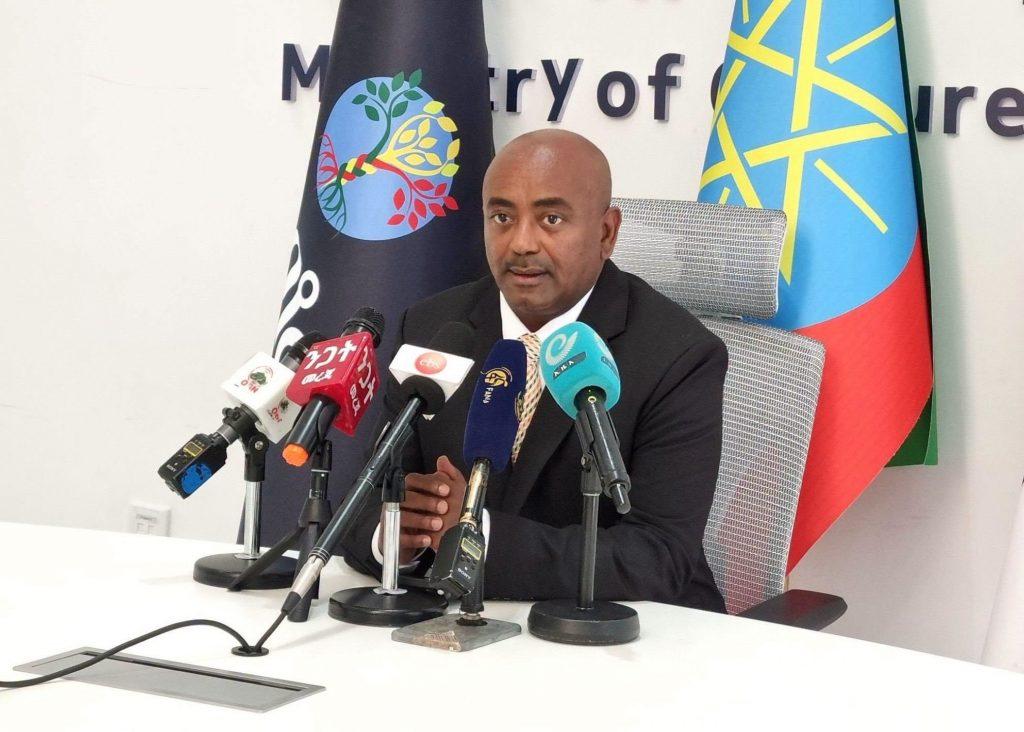
Airbus forecast that Ethiopia's origin-and-destination air passenger traffic will grow almost sixfold between 2025 and 2045, presenting its Global Market Forecast (GMF 2026) at a press conference at the Skylight Hotel in Addis Ababa on 13 October.
Antonio Da Costa, Airbus's Vice President for Market Analysis and Forecast, said Ethiopian traffic is projected to expand by 9.3% a year, almost twice the African average, with the strongest growth in domestic and intra-African travel.
Yearly trips per person in Ethiopia are forecast to rise by 150% by 2045, compared with 100% in Nigeria and South Africa, according to the company. Across the continent, Airbus expects passenger traffic to, from and within Africa to almost triple, growing at 4.9% a year and requiring 1,640 new passenger aircraft over 20 years, made up of 1,310 single-aisle and 330 widebody jets. That would make Africa the world's second-fastest growing aviation market after Asia, the company said.
Advertisement
Airbus attributes the outlook to demographic and economic trends, saying Africa's population will rise by about 720 million to more than two billion by 2045, its middle class will grow by 180 million and real GDP will expand by 4.0% a year.
Da Costa also endorsed Ethiopia's ambition to become Africa's aerospace hub, committing Airbus to training, investment and deeper collaboration with Ethiopian Airlines. He said that role would extend beyond aircraft operations to maintenance, overhaul, catering and supply chain integration, and that Airbus stands ready to provide training, instruction and knowledge transfer to Ethiopian companies and professionals.
"Ethiopia can take full advantage of the strong growth potential, the six-fold growth we see in the field," he said.
Da Costa said the new Bishoftu International Airport confirms Airbus's outlook, because growth of that scale makes a bigger airport sensible. He said Airbus sees potential in Ethiopian Airlines' maintenance, repair and overhaul business and would be "delighted" to expand its manufacturing footprint in Ethiopia, citing the country's skilled workforce, but gave no commitment or timeline. Airbus already has manufacturing centres in Tunisia and Morocco.
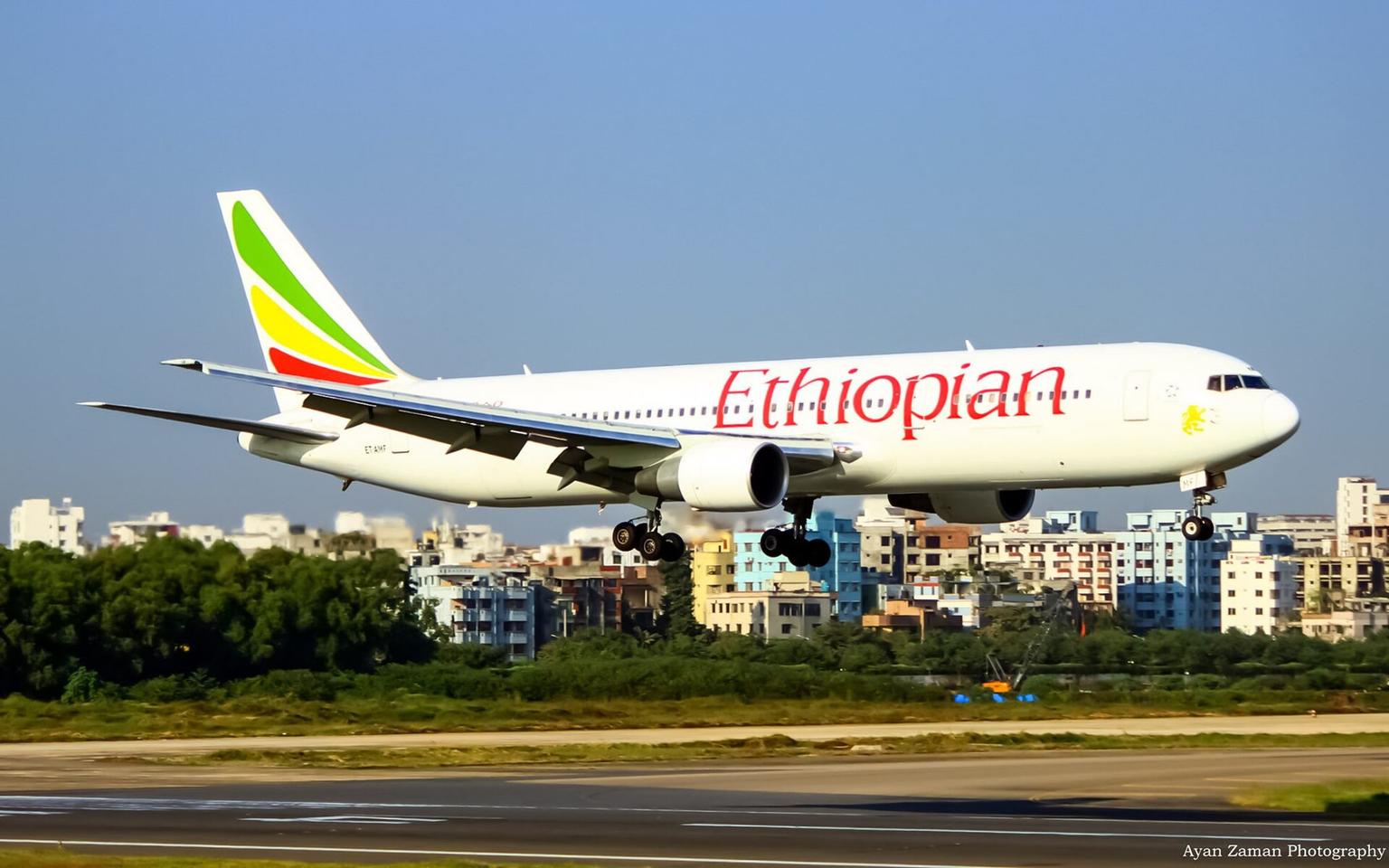
Ethiopian Airlines, the state-owned flag carrier, operates 21 A350-900s and has placed a firm order for six more, making it the continent's largest A350 operator, according to reports. According to the airline's fleet summary, about 17 A350-900s are still to be delivered, including six ordered at the Dubai Airshow in November 2025.
Alberto Blanco, Airbus's Head of Marketing for Commercial Aircraft for Africa and the Middle East, said jet fuel prices more than doubled after the conflict in the Middle East and remain high. Da Costa said African traffic is still growing at 7.1% this year, against 2% to 3% in other regions.
Aviation contributes $2 billion to Ethiopia's GDP, sustains more than half a million jobs and accounts for 1.2% of economic activity, according to reports. The International Air Transport Association (IATA) expects Ethiopia's passenger demand to triple by 2044.