The Ethiopian artist Haron Suleiman opened "Wub Addis III" in November at the Taitu Cultural and Educational Center in Addis Ababa. The exhibition is the final part of his solo series and has 49 paintings of the capital's older neighbourhoods. It runs until 6 December 2026.
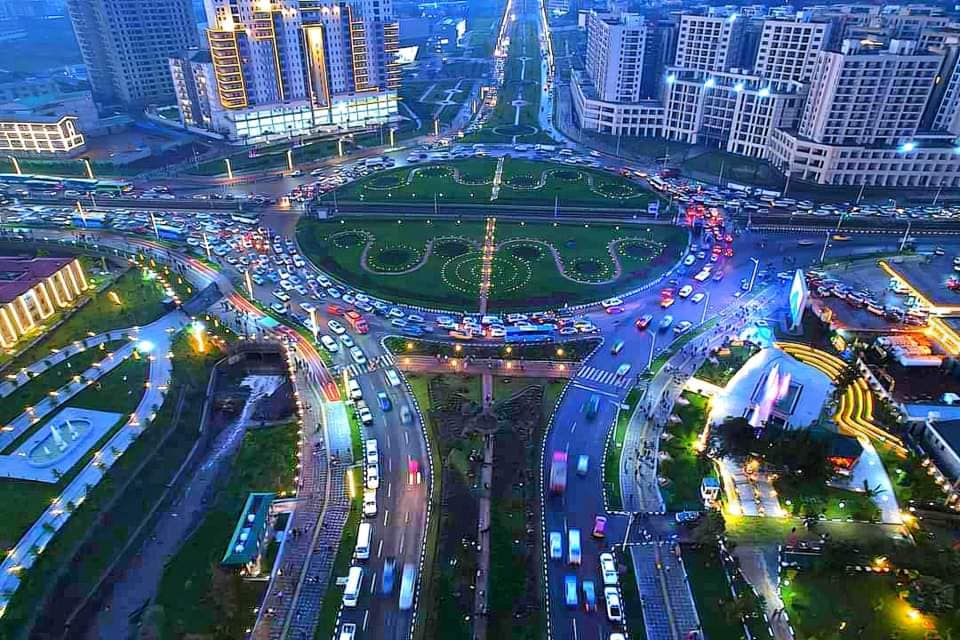
The show has 39 oil and acrylic paintings and 10 watercolours. They depict traditional houses, familiar streets and older residential areas, especially places connected to the artist's childhood. Some of the places in the paintings have already disappeared or changed considerably as the city expands and modernises.
Suleiman was born and raised in Addis Ababa. He said his attachment to the city's older neighbourhoods, traditional houses, small businesses and familiar streets has shaped his career. He said painting these places was a way to keep their stories and memories for future generations. In his view, even ordinary structures such as ageing houses, traditional shops and neighbourhood corners carry historical and emotional value.
Advertisement
A three-part portrait of the city
"Wub Addis" means "Beautiful Addis". The first exhibition, "Wub Addis I: Midday at the Market", showed informal marketplaces, known locally as gulits, and small traders working in the midday sun. The second, "Wub Addis II: Doorstep", turned to neighbourhood shops and small businesses, with their shopfronts, fruit displays and goods.
The artist said researching and preparing a painting can take about a month. A large realistic work may take three to four months to finish, and smaller paintings usually take two to three weeks. The collection also involved site visits and preliminary studies.
Suleiman said he had paid for the project himself over nearly 14 years, covering transport, research, studio rent and materials, and that this had been difficult. He credited Addis Ababa's culture, arts and tourism authorities with supporting the second and third exhibitions.
Caution on artificial intelligence
Suleiman said artificial intelligence (AI) tools can help artists, but he warned young artists against depending on them too much. He said overreliance could weaken basic skills such as observation, drawing and colour study, and the development of an independent style. Human experience, emotion, empathy and originality remain central to meaningful art, he said, and an artist's understanding of society gives a painting meaning beyond how it looks.
Suleiman told Capital that between 300 and 400 people visited each day shortly after the exhibition opened.