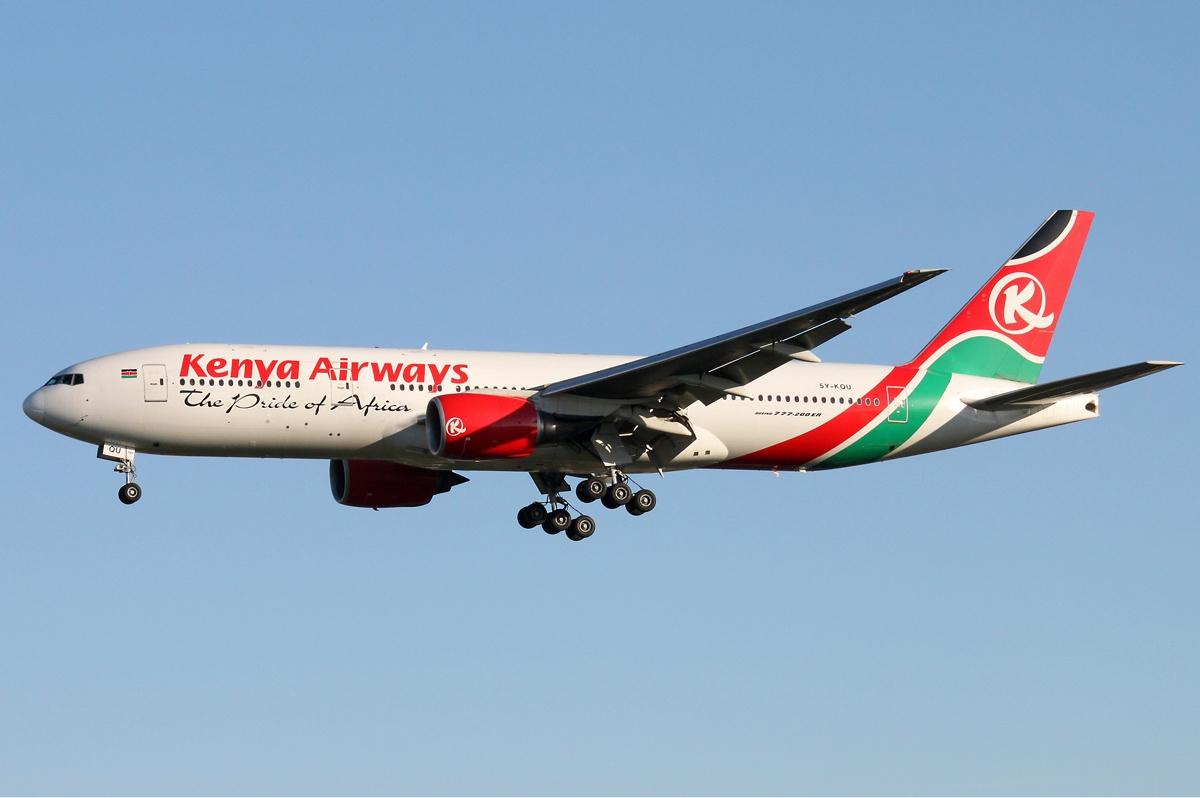
Kenya Airways plans to raise $1.5 billion in equity and debt by mid-2027, its chairman, Kiprono Kittony, said on Friday 27 November. On the same day the carrier said it expected its 2026 earnings to fall by at least 25% from the previous year.
Kittony told Reuters that fuel prices had risen by 70% since the war in Iran began, while fares had risen by only 20%. The supply-chain disruption that followed made an industry-wide shortage of spare parts worse and forced the airline to ground 11 of its Boeing and Embraer jets. He said five aircraft would return to service by the end of December and the full fleet would be flying by May 2027.
"We would want to have a long-term partner with patient capital," Kittony said. The airline initially planned to find another airline as an investor. It is now also open to other partners, including sovereign wealth funds. According to Bloomberg, it has appointed Seabury Group to help raise the money and to identify a strategic investor.
At the end of June 2026, Kenya Airways had total debt of 328 billion Kenyan shillings against assets of 180 billion shillings, after a pre-tax loss of 15.92 billion shillings in the first half of the year, birr Metrics reported. In October Kenya Airways secured a 45.15 billion-shilling shareholder loan from the Kenyan government, which also agreed to restructure existing loans.
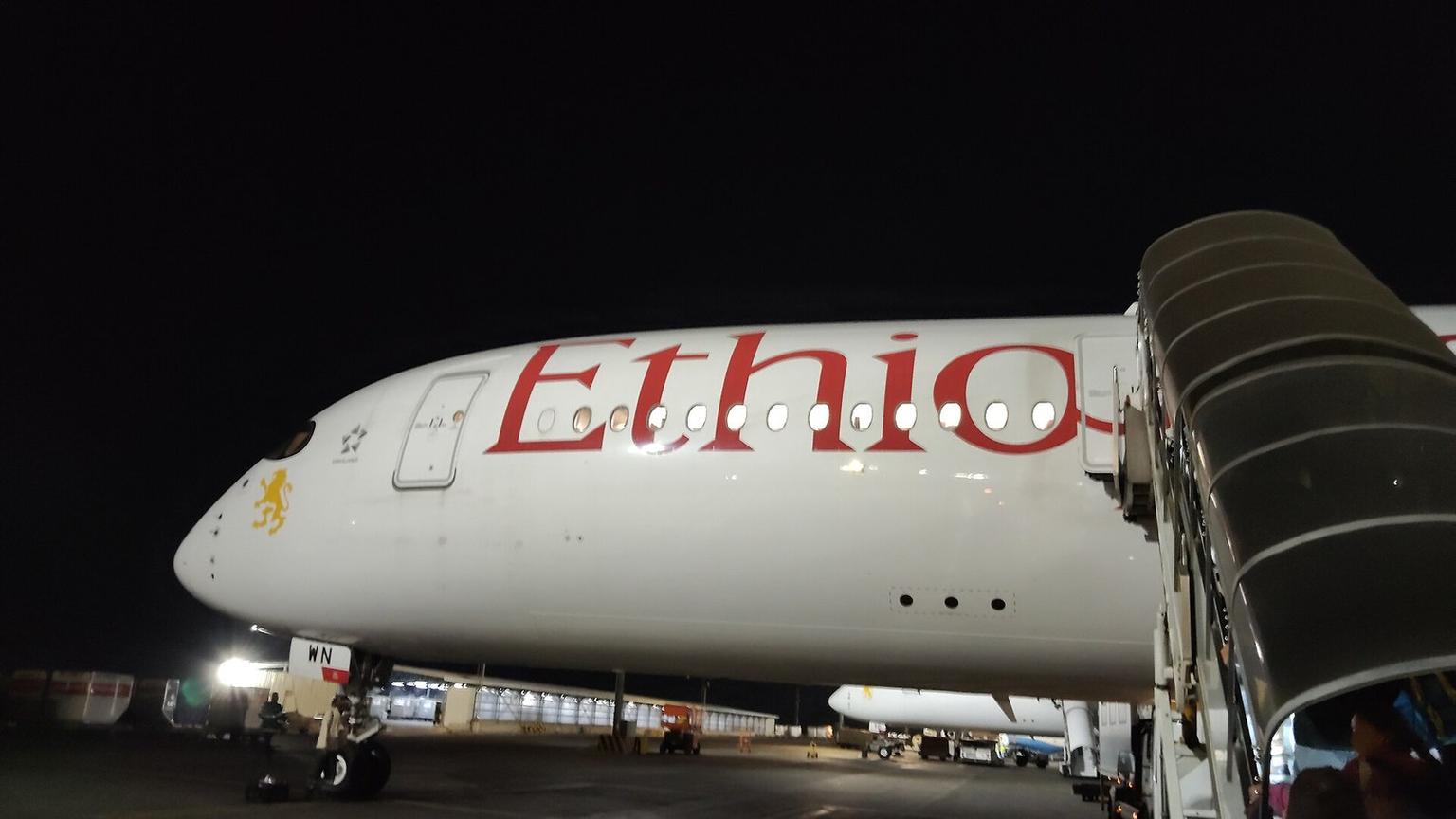
Kenya Airways competes with Ethiopian Airlines, Africa's largest carrier, for East African transit traffic, air cargo and long-haul connections. Ethiopian also reported higher fuel costs in its 2025/26 fiscal year. It nonetheless posted record operating revenue of $9.1 billion, up 20% on the previous year. It carried 20.7 million passengers and 897,000 tonnes of cargo with an operating fleet of 147 aircraft.
Ethiopian Airlines is targeting revenue of $10 billion for 2026/27. Ethiopia is also building the $12.5 billion Bishoftu International Airport, about 40 kilometres southeast of Addis Ababa. The new airport is meant to relieve Bole International Airport, which is approaching its ceiling of 25 million passengers a year. Its first phase is scheduled to open in 2030 with capacity for 60 million passengers a year.