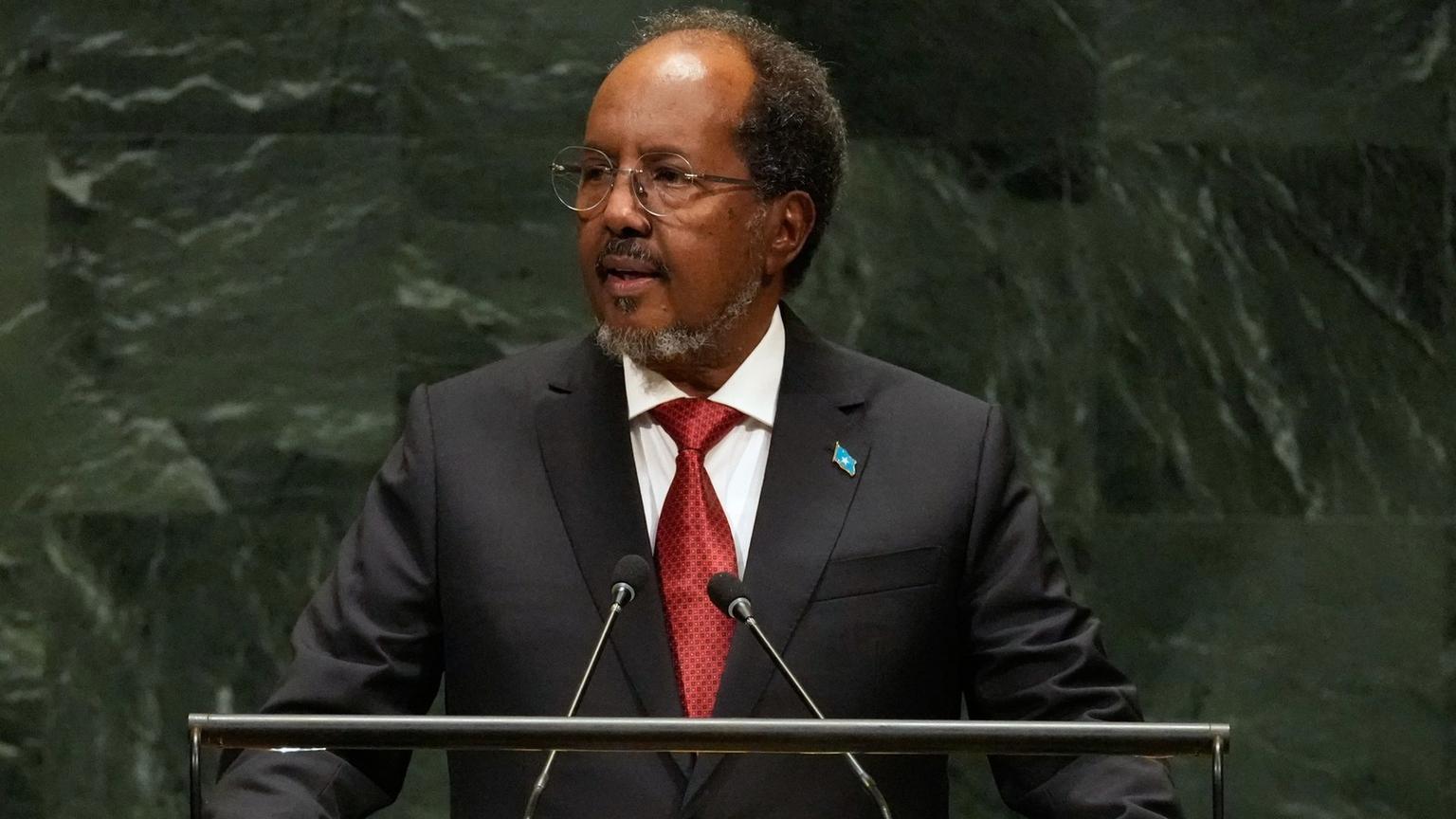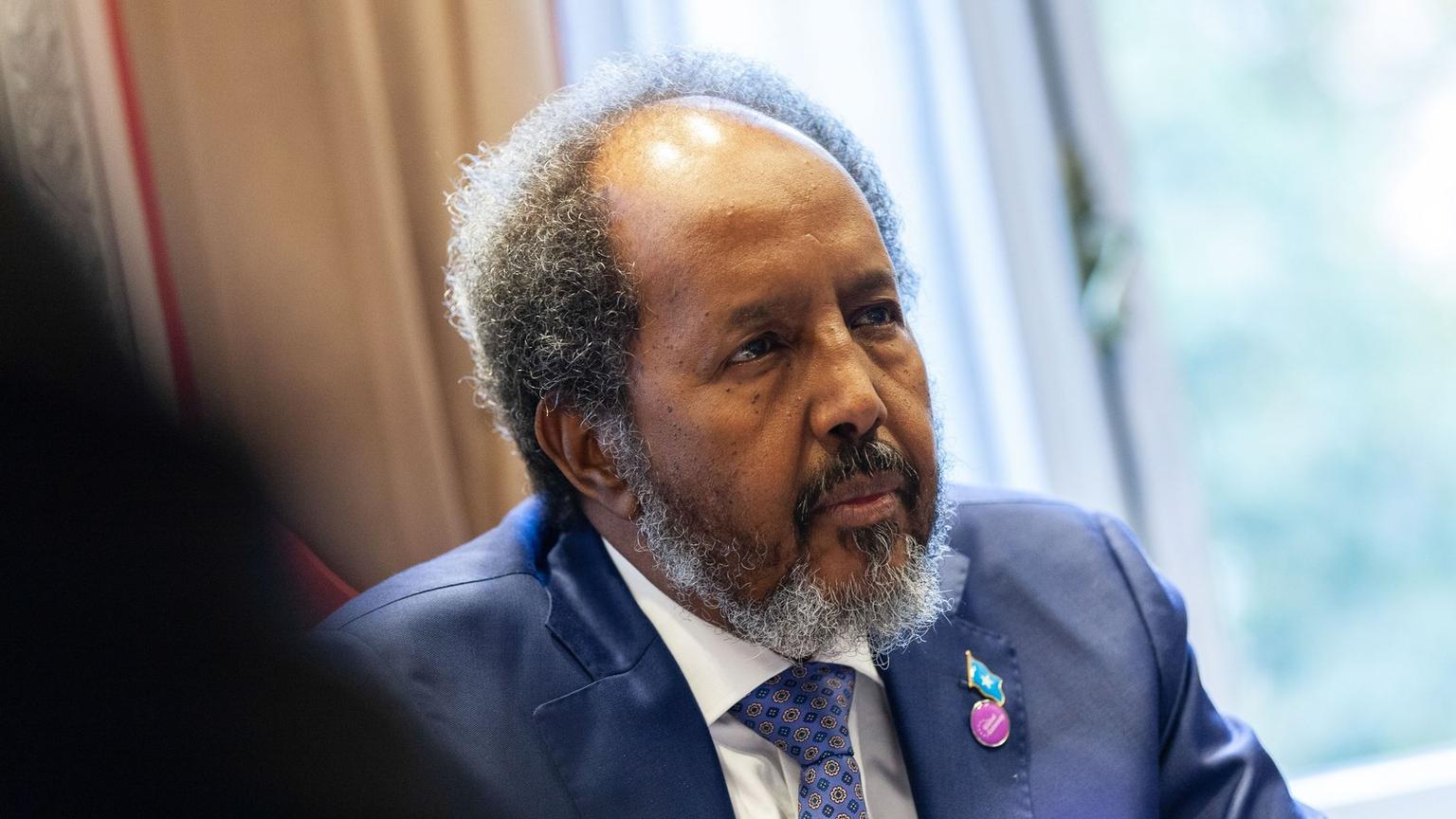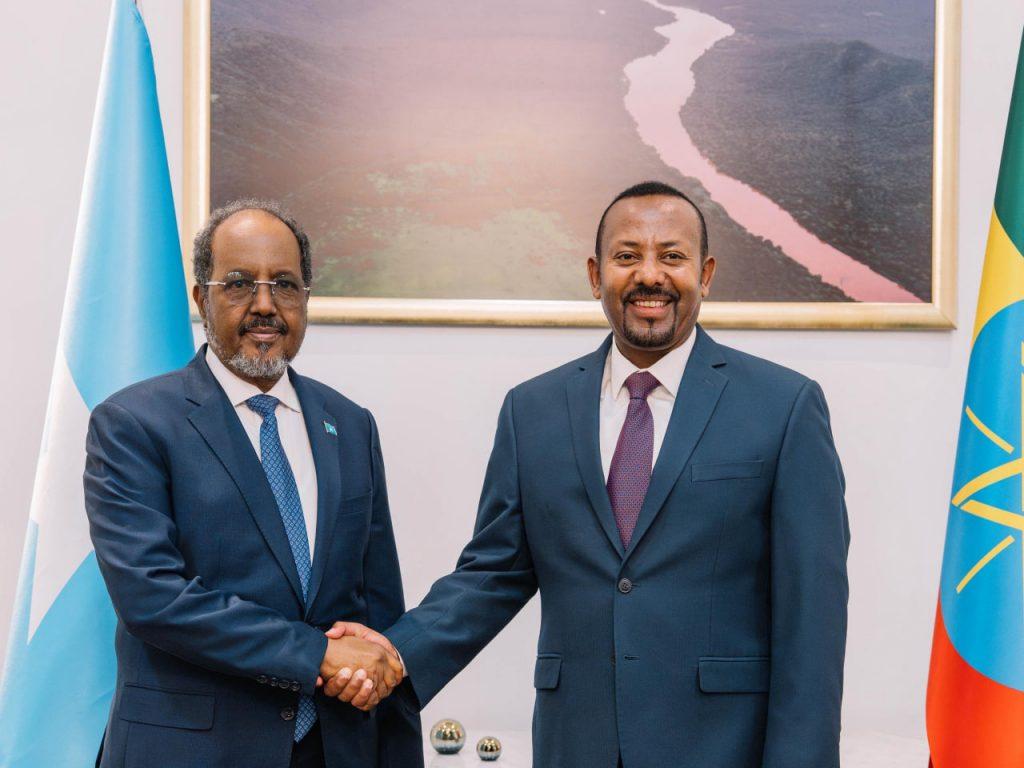
Somalia's opposition leaders have unanimously rejected a new offer of talks from President Hassan Sheikh Mohamud. They also refused any further engagement with him, the Somali Guardian reported on 21 November.
Mohamud had telephoned former Prime Minister Abdi Farah Shirdon and asked him to host the meeting at his home. According to the Somali Guardian, the president promised major concessions and said Somalia's future and its upcoming elections would be settled through broad-based consensus. Shirdon passed the offer on. Opposition leaders debated it at length on Thursday night and reconvened on Friday, when they turned down both the meeting and further contact with the president.
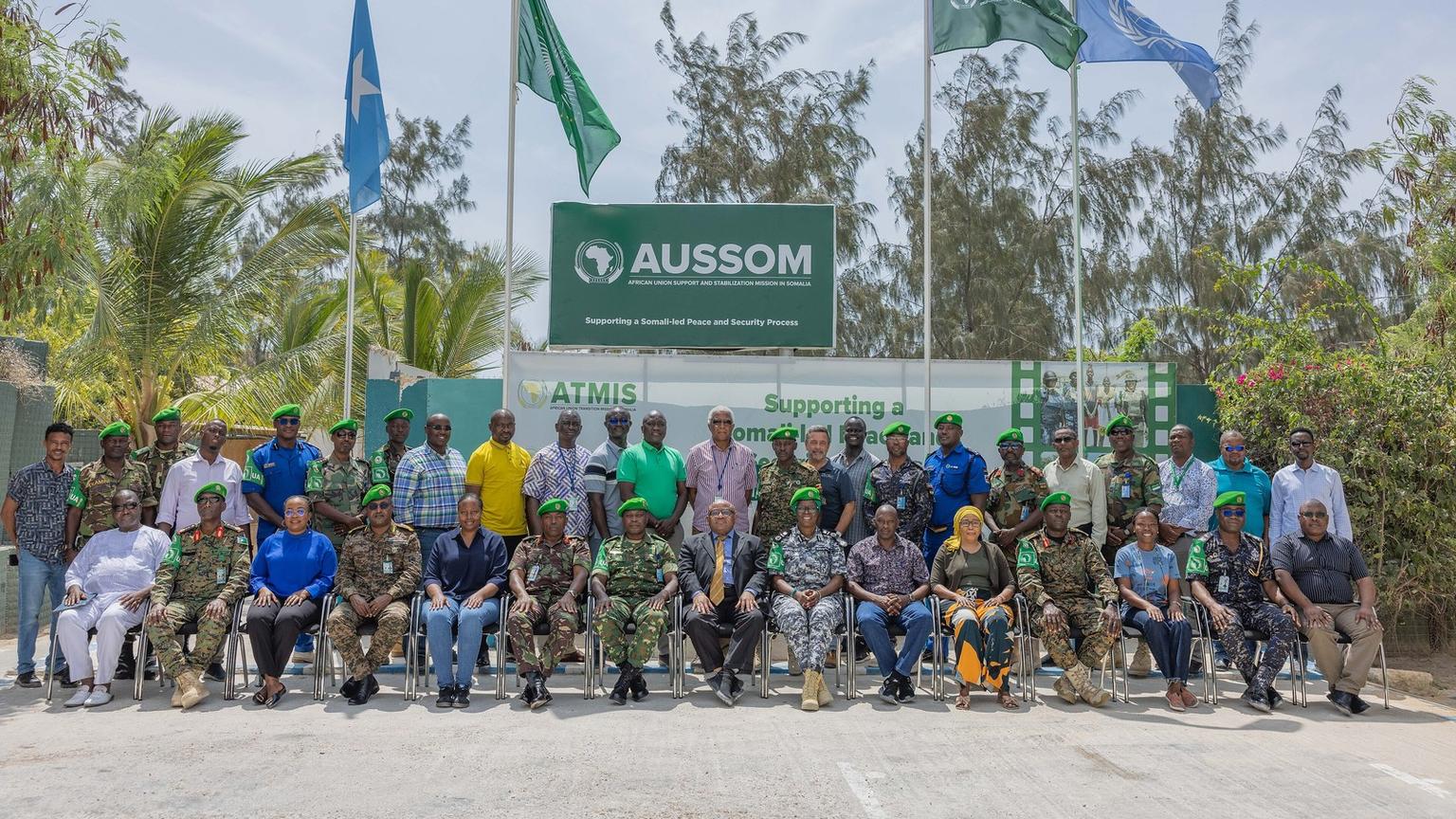
Ethiopian troops have served in Somalia for years, including in African Union missions against al-Shabaab.
Advertisement
The opposition's main objection is the electoral model. Earlier talks collapsed because, according to the Somali Guardian, the president made no meaningful concessions and kept insisting on a one-person, one-vote election on terms he favours. The Somali Guardian said that arrangement is widely viewed as intended to secure him a third term. Opposition leaders want Mohamud to drop the model first. They say the type of election and the way it is run must be agreed through a consensus process involving all political stakeholders.
They have set further conditions:
- international mediation
- binding guarantees that the president will negotiate in good faith
- reversal of the election model and of the constitutional changes he has introduced
- security assurances for the presidents of Puntland and other regional states, and for other leaders attending talks
Mohamud has said that no decision will be placed "in the middle". According to the Somali Guardian, he meant that the government alone will determine the election model and the country's political direction, while others may offer advice that may or may not be taken.
Opposition leaders see the approach to Shirdon, who is regarded as one of the less hardline opposition figures, as a tactic to occupy, divide and co-opt members of their coalition. They say the same method drew former parliamentary speaker Sharif Hassan Sheikh Adan, former Prime Minister Omar Abdirashid and Dahir Mohamud Gelle into supporting the president's election model after they attended earlier talks.
The rejection is the latest setback in a month of failed attempts at dialogue. In early November the opposition National Salvation Forum agreed to give Mohamud one final opportunity to resolve the dispute through talks. Election talks the president called at Villa Somalia then failed to open on 14 November because the main opposition alliance boycotted them. The opposition had demanded that its core conditions be met in advance, and the president refused. Hours later, the presidency said contacts with invited parties were continuing and that the meeting would still be convened.
International pressure for a settlement has intensified. Western and East African partners had already urged dialogue. Turkey, Saudi Arabia and Egypt have now joined calls for an electoral agreement to avert what the Somali Guardian described as an irreversible crisis.
The standoff also has a legal dimension. According to the Somali Guardian, Somalia's Constitutional Court has ruled that Mohamud is unlawfully in office and declared his term extension null and void. The court ordered elections within 90 days and required a political agreement within 30 days.