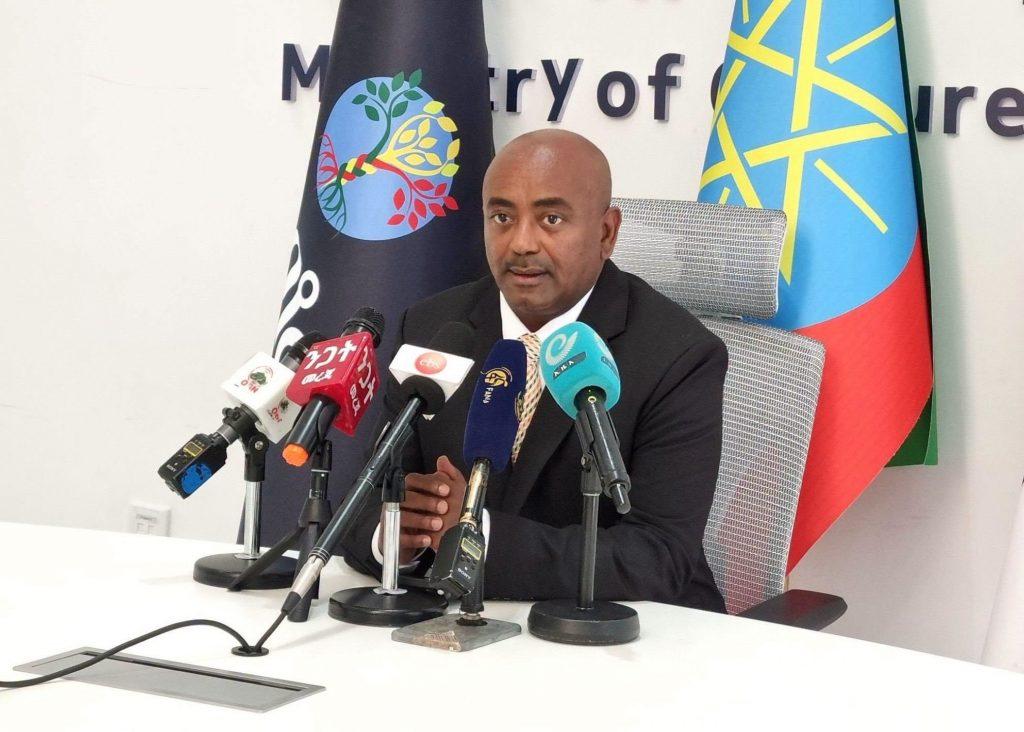
Ethiopian and Russian officials, researchers and business representatives discussed expanding agribusiness cooperation, technology transfer and joint investment at a roundtable in Addis Ababa reported on 13 October.
The discussions highlighted opportunities for the two countries to deepen their agribusiness partnership through technology transfer, agricultural research, local manufacturing and value addition. The account comes from state media; The Abay Times could not independently verify it.
Russian Trade Representative to Ethiopia Yaroslav Tarasyuk said Ethiopia had emerged as one of Russia's top 10 trading partners in Africa, with bilateral trade gaining momentum through 2025. Russian exports to Ethiopia had increased fourfold over the period, he said, while Ethiopian exports to Russia had doubled.
Advertisement
Ethiopia exported 18,000 tonnes of green coffee worth $123 million to Russia, alongside flowers, fruits, vegetables, avocados, herbs and other agricultural products, according to figures presented at the roundtable. Russia supplies Ethiopia with commodities including mineral fertilisers and sunflower oil.
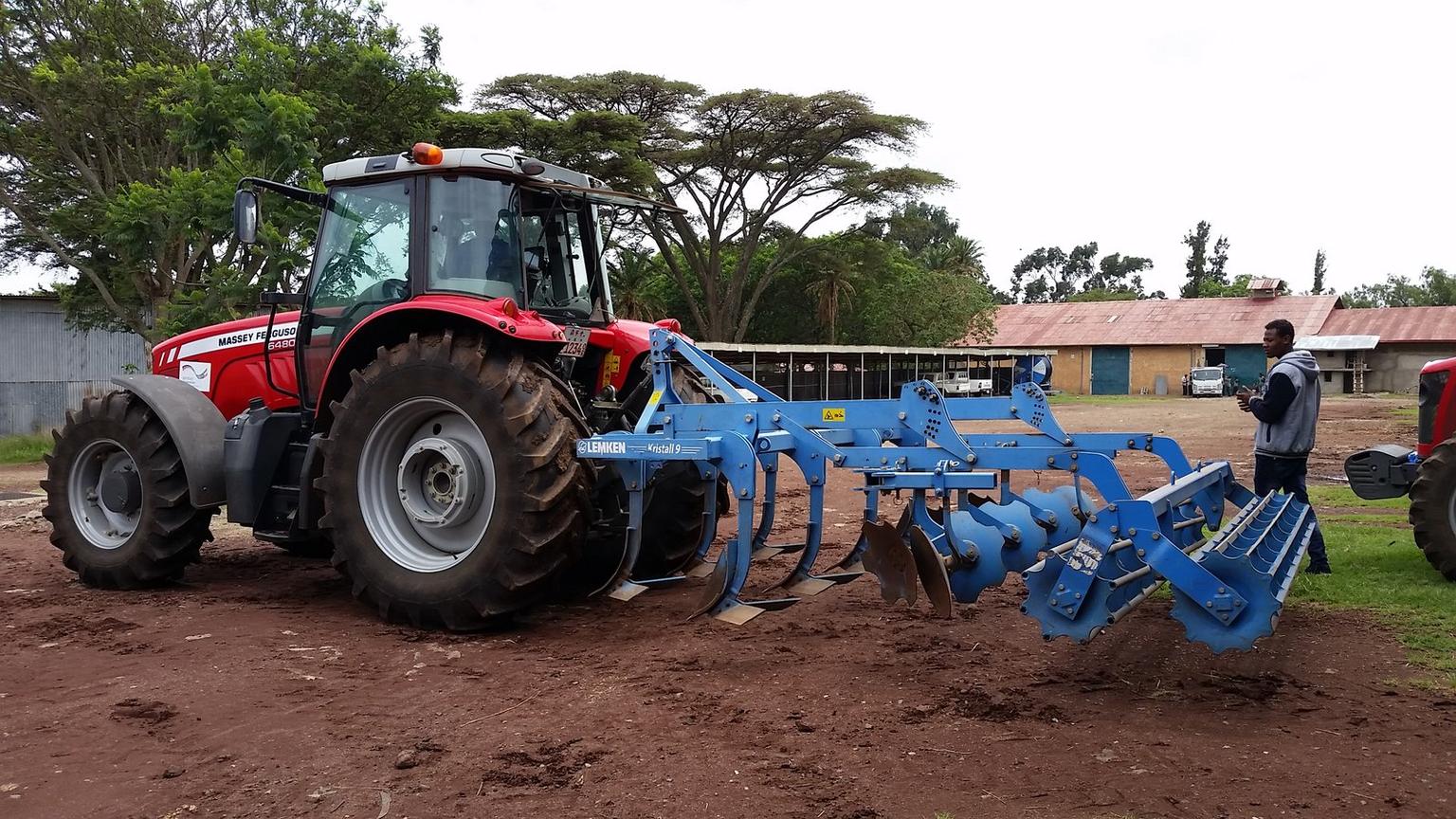
Tarasyuk said cooperation should move beyond conventional trade towards joint investment, technology transfer and local production of agricultural machinery and inputs, and that Russia was ready to share advanced agricultural technologies and support Ethiopia's manufacturing capacity. He identified sunflower cultivation, poultry production and dairy development as promising areas, saying expanded domestic sunflower production could help reduce Ethiopia's dependence on imported edible oils.
Weyssa Garedew, Crop Commercialization Program Director at the Agricultural Transformation Institute, said agriculture contributes approximately 30 to 40% of gross domestic product, supports the livelihoods of around 79 million people and accounts for about 80% of exports. Population growth, climate change and limited access to inputs continued to constrain productivity, he said, calling reliable fertiliser supplies, mechanisation, agrochemicals and modern technologies essential.
He said plans were under way to establish approximately 50 agribusiness companies to accelerate commercialisation, expand agro-processing and improve farmers' access to markets.
Habtamu Million, Country Head of Promising International Trading Company, said Russia's experience in grain production, storage, transportation and processing could strengthen Ethiopia's food-processing industry. His company is exploring opportunities in grain milling and edible-oil extraction, he said, adding that processing facilities, product quality and packaging needed upgrading to make Ethiopian exports more competitive.
Dareskedar Taye, President of the Union of African Diasporas in Russia and Head of the Ethiopian Community Association, said Africans living in Russia could draw on their knowledge of both markets to promote investment and commercial partnerships, but stressed the need for better investment conditions, simpler administrative procedures and stronger institutional links.
Tsedeke Abate, former Director General of the Ethiopian Institute of Agricultural Research, said Ethiopia's population was projected to reach 205 million to 210 million by 2050, requiring a substantial increase in food production. He said Ethiopia spent approximately $2.6 billion on food imports in 2023 alone, including $684 million on cooking oil, and argued that international partnerships should be based on mutual equality, with Ethiopia and other African countries setting their own agricultural priorities.