The Ministry of Finance has unveiled plans to issue 133.97 billion birr in Treasury bills during the second quarter of the 2026/27 fiscal year, with more than half of the planned borrowing concentrated in one-year securities.
The programme covers six auctions scheduled between 14 October and 23 December 2026, according to the ministry's quarterly auction calendar. The first auction falls on 14 October and the final offering on 23 December.
The calendar allocates 73.23 billion birr, or 54.7% of the planned issuance, to 364-day Treasury bills, and a further 42.43 billion birr, or 31.7%, to 182-day securities. Together the two longer maturities account for about 86.3% of the quarterly borrowing programme. The remainder consists of 15.26 billion birr in 91-day securities and 3.05 billion birr in 28-day bills.
Advertisement
The largest individual auction is scheduled for 11 November, with an intended offering of 30.99 billion birr. The smallest, at 15.51 billion birr, is planned for 25 November.
The ministry said the calendar will be updated monthly to maintain a three-month forward-looking schedule, allowing banks, insurance companies, pension funds and other eligible investors to anticipate government borrowing requirements.
The announced figure represents planned gross issuance rather than confirmed borrowing or an equivalent increase in government debt, and that the calendar does not specify how much of the quarterly issuance would constitute new borrowing and how much would replace maturing obligations. It also does not set the interest rates the government will pay, which are determined through the individual auctions.
Treasury bills are short-term government debt securities sold at a discount to face value, with yields determined through competitive bidding.
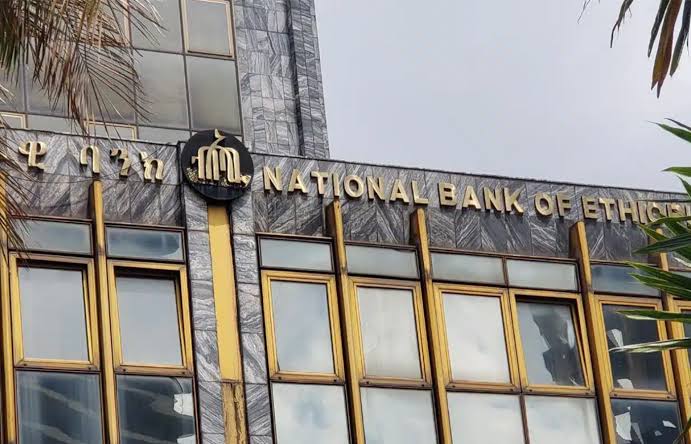
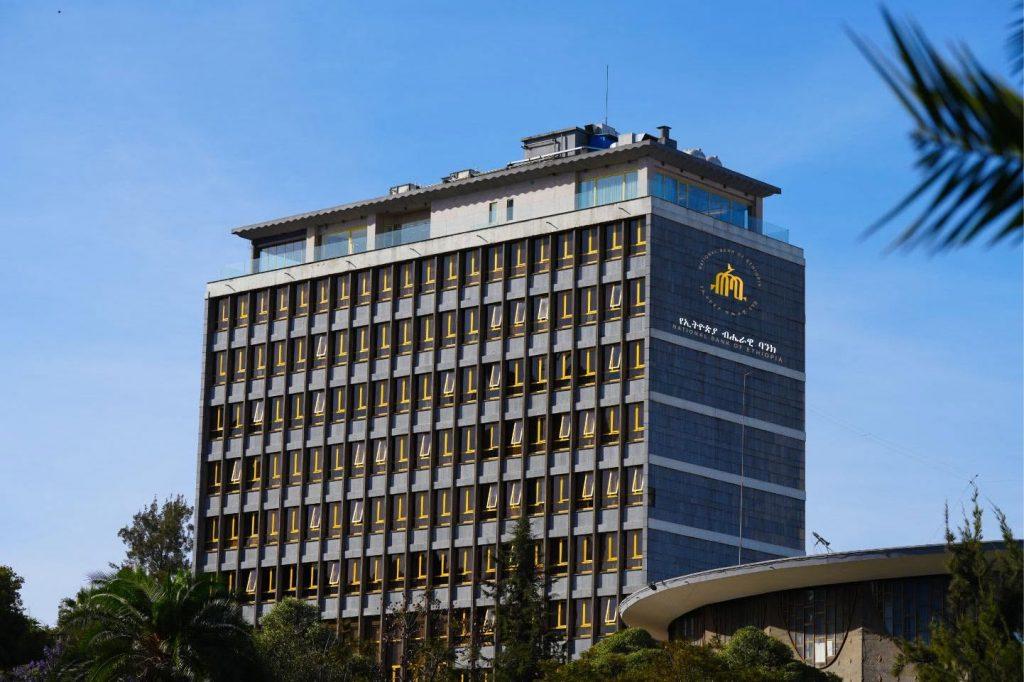
Recent auctions have been heavily oversubscribed. At the auction of 24 June 2026, the National Bank of Ethiopia offered 28.09 billion birr in Treasury bills and received bids worth 96.76 billion birr, more than three times the amount offered. The entire offering was accepted at a weighted average annual yield of 11.67% across the four maturities, with 364-day securities yielding a weighted average of 14.72% and 28-day bills 7.08%. At the auction of 8 July, bids totalled 88.81 billion birr against an offering of 30.71 billion birr, with a weighted average yield of 9.17% on accepted securities and 12.39% on the 364-day bills.
The calendar follows reforms under Ethiopia's Homegrown Economic Reform Agenda, which accelerated in July 2024 with the introduction of a market-based foreign exchange system and changes to monetary and fiscal policy frameworks.
In its fifth programme review published in July 2026, the IMF reported that new domestic financing of the Ethiopian government had become entirely market-financed through competitively priced Treasury bills. The Fund also disclosed that the authorities had committed to replacing maturing low-interest Treasury bills held by the Commercial Bank of Ethiopia with securities carrying market-determined rates from the beginning of the 2026/27 fiscal year, and to ending mandatory rollovers of such securities by the close of the fiscal year.
The IMF said in July that Treasury bill yields had remained positive in real terms since early 2025 and that participation in the auction market had increased, attributing the expansion partly to engagement with financial institutions, the removal of mandatory purchases of five-year Treasury bonds by commercial banks and improvements in government debt reporting.