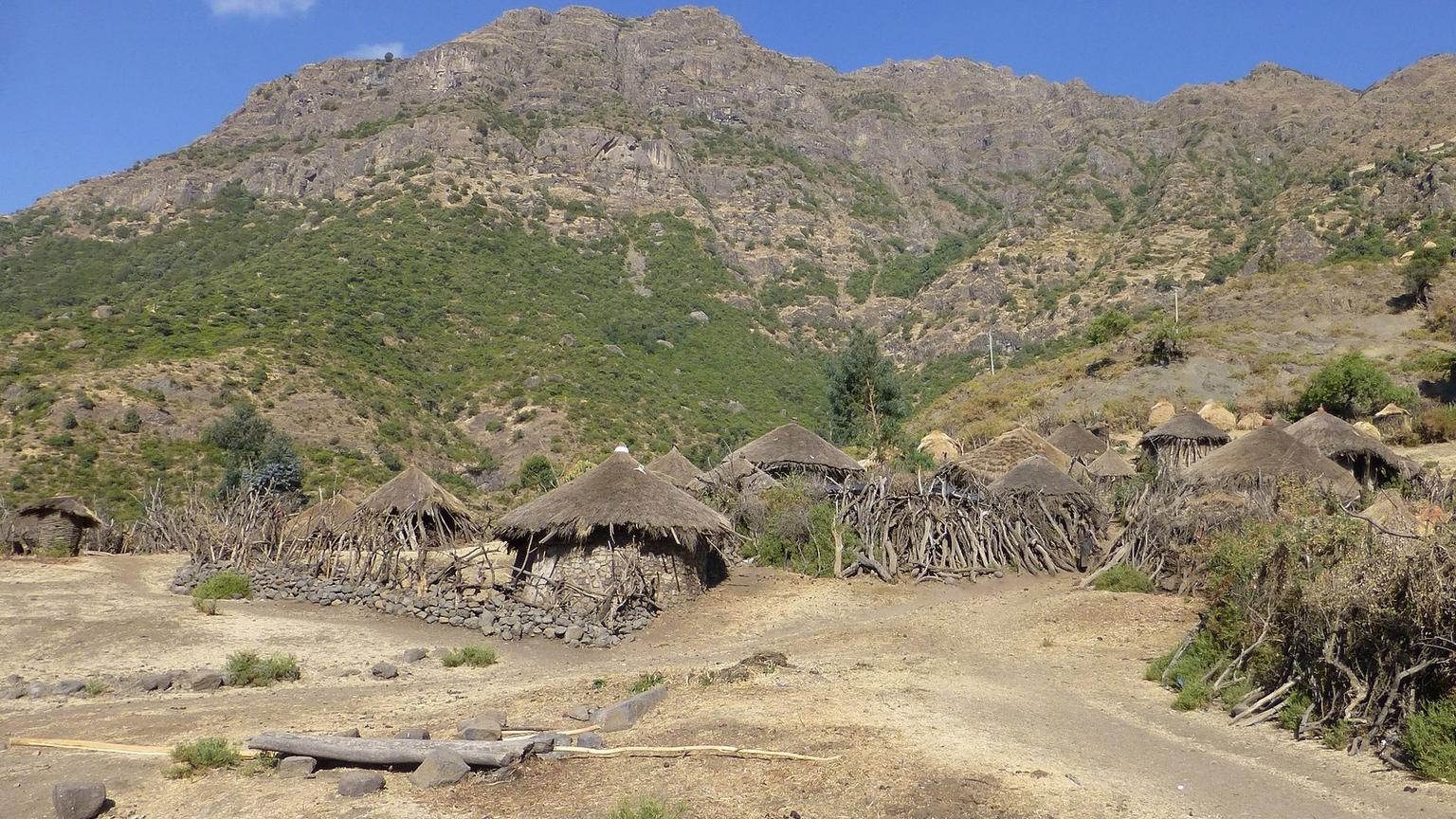
More than 72,000 of the 80,874 residents of Abergele district, in the Wag Hemra administration of Amhara region, need urgent food aid after a drought that local officials blame on El Niño, the district's agriculture office said on 19 October.
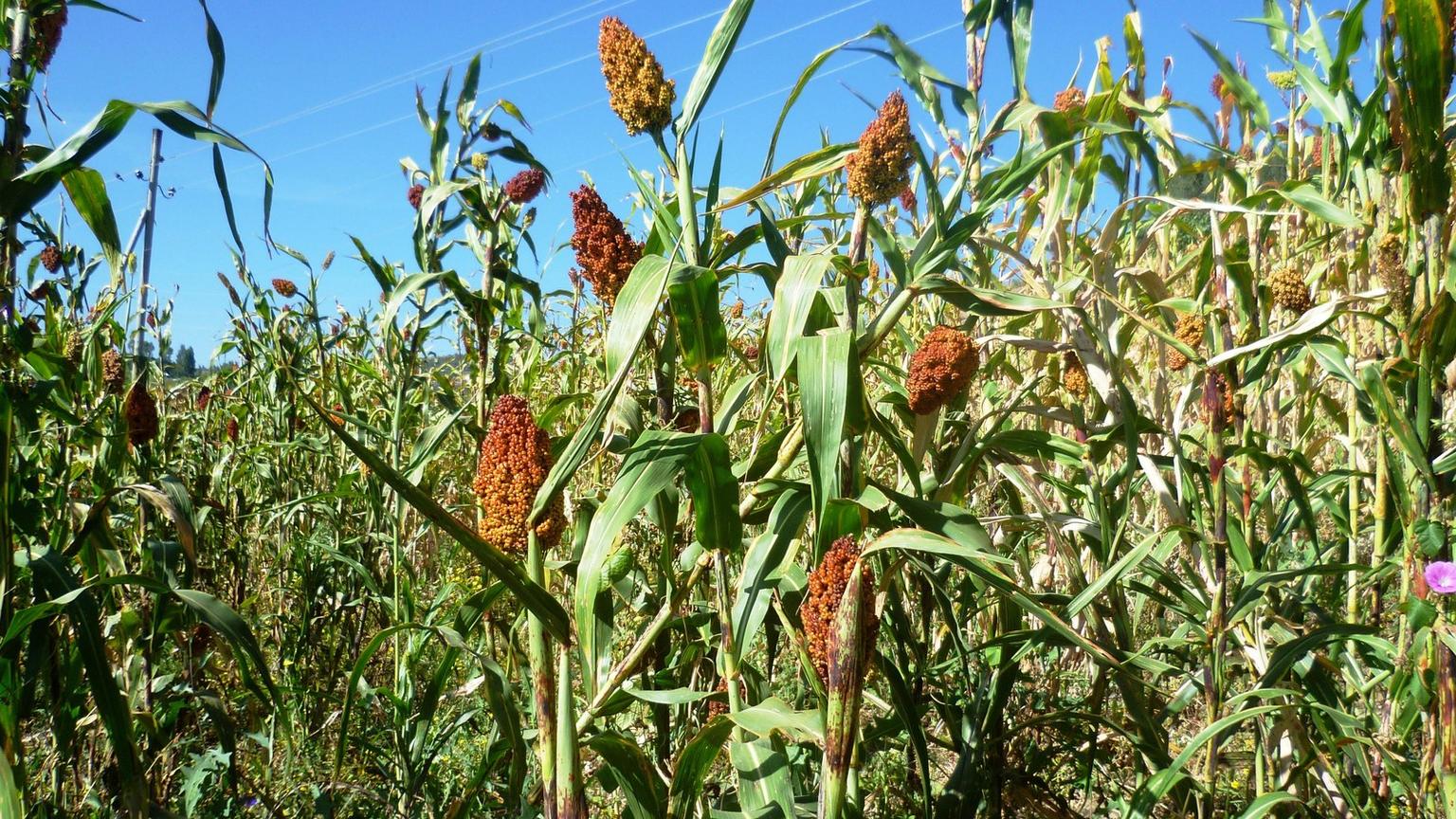
Meseret Woldeyesus, head of the office, said crops on more than 90% of the district's 17,941 hectares of farmland had produced no harvest. Nothing grew at all in three kebeles, the smallest administrative units: Ambadago, Debina and Beleqa.
Meseret said 241 households, with 1,531 family members, had left their homes, and officials said even religious institutions and monasteries were closing.
The district's livestock office said 27,717 sheep and goats, 8,909 cattle, 1,129 pack animals, 3,198 chickens and 1,035 bee colonies had died for lack of feed. Kebeles 013, 014 and 015 were the worst hit. District leaders and residents called for food aid, animal feed and medicines.
Abergele came back under government control by early October after being held by armed groups since April. Displaced residents sheltering in Sekota town said at the time that there had been no rain and no harvest, and that they now feared hunger more than the fighting, according to a broadcast report on 5 October.
The Famine Early Warning Systems Network had already listed Wag Hemra among the areas worst affected by poor meher harvests. It said white sorghum in Sekota cost 50% more in August than a year earlier and nearly 75% more than the five-year average, and it warned earlier this month that a food crisis would persist in parts of Tigray and Hararghe.