A failing main rainy season and higher fuel prices could push an additional 905,000 people in Ethiopia into poverty and 2.8 million into undernourishment in 2027, according to modelling published on 17 November by the International Food Policy Research Institute (IFPRI).
The figures come from the institute's moderate scenario, one of three its researchers built because no large-scale assessment of this year's harvest has been carried out. That scenario assumes national agricultural productivity falls by 2%. The mild and severe scenarios assume falls of 1% and 3%, with proportionally smaller or larger effects on poverty and hunger.
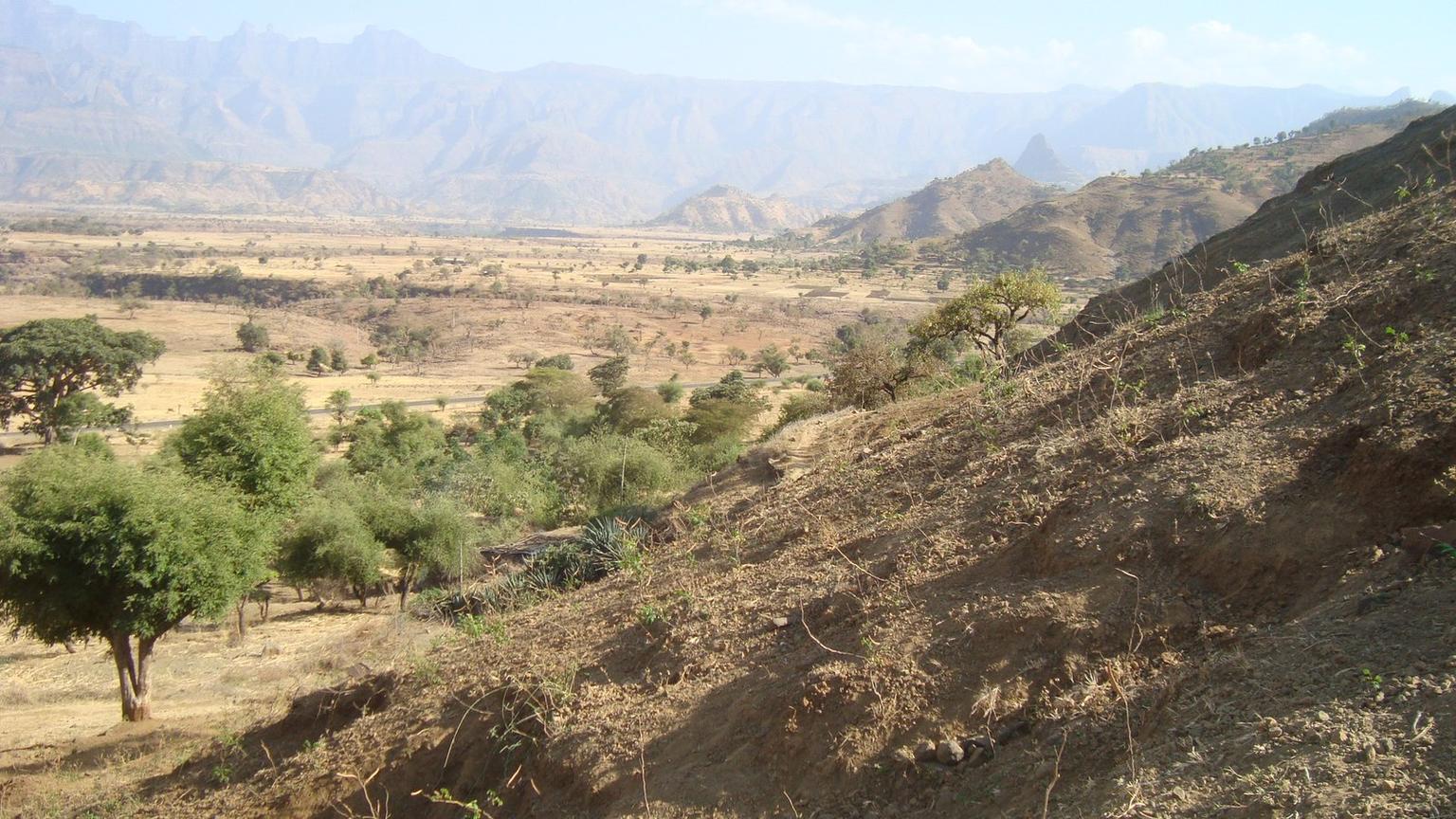
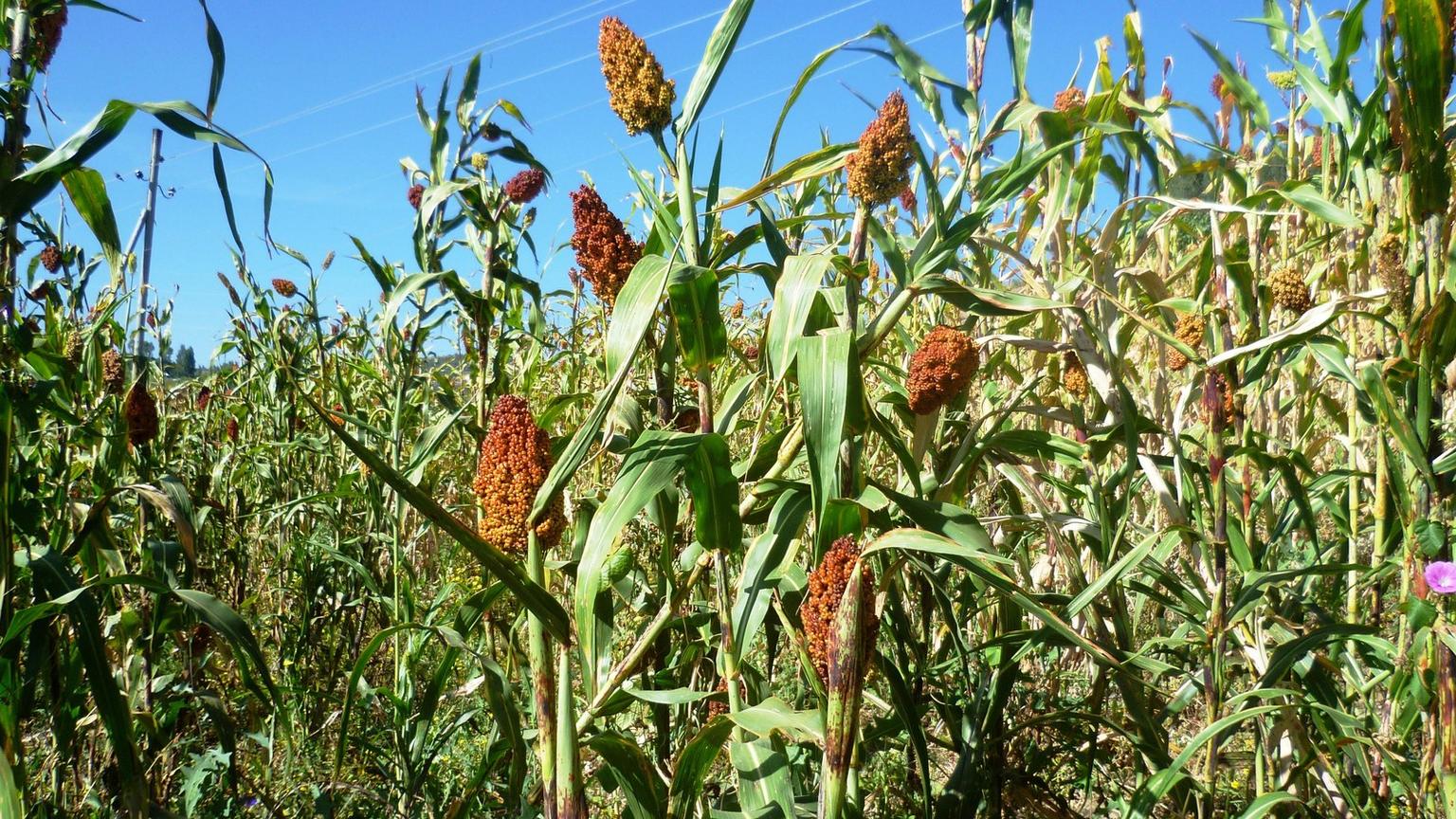
The authors, Emerta Aragie and Chris Hillbruner, wrote that in many important crop-producing areas the June-to-September kiremt rains had been among the driest on record, and that satellite imagery and field reports suggested planted areas had shrunk and crop conditions worsened, particularly in northern and eastern cultivated areas. An IFPRI rapid assessment in the dry highlands of North Shewa and North Wollo suggested land under maize and sorghum had fallen by about 6%. The meher harvest, gathered from October to December, accounts for more than 95% of annual agricultural production.
Advertisement
In the model, El Niño causes almost all of the economic damage. National GDP falls between 0.4% and 1.1% below the baseline, an average of 0.8%. Agricultural output falls by 9.6% in the dry highlands and 6.5% in the dry lowlands, while the moist highland and lowland zones, which produce most of the country's farm output, see only small losses.
Higher fuel prices, which the authors link to the Iran war and the disruption of shipping through the Strait of Hormuz, barely move GDP in the model. But by raising domestic prices they account for about 472,000 of the newly poor and 699,000 of the newly undernourished. Local fuel prices were roughly 40% higher in August than at the start of the year, the authors noted.
More than 57% of those pushed into poverty and about 76% of those becoming undernourished would be in rural areas. Real household spending falls by an average of 1.9%, with larger losses in towns (2.8%) than in the countryside (1.5%). Even without these shocks, the model's baseline has 30.2% of Ethiopians, or 42.6 million people, living below the international poverty line of $3 a day in 2027, and 28.5 million undernourished.
The authors said emergency food needs would probably peak between June and August 2027 and called for advance planning, noting that their model already counts the cash and food transfers made under the country's main safety net programme and that key donors have recently reduced humanitarian contributions. The conflict in northern Ethiopia could make poverty and undernourishment worse still, they added, though its specific effects are hard to predict.
The projections follow other warnings in recent weeks. FEWS NET expects emergency levels of hunger in parts of Tigray, Amhara and Afar in early 2027, and the World Food Programme said in October that it needed $251 million over six months to sustain its response in Ethiopia.