Ethiopia has secured a $3,822,759 grant from the Global Environment Facility (GEF) to improve how it manages and disposes of hazardous industrial chemicals. These include mercury and the polychlorinated biphenyls (PCBs) found in older electrical transformers.
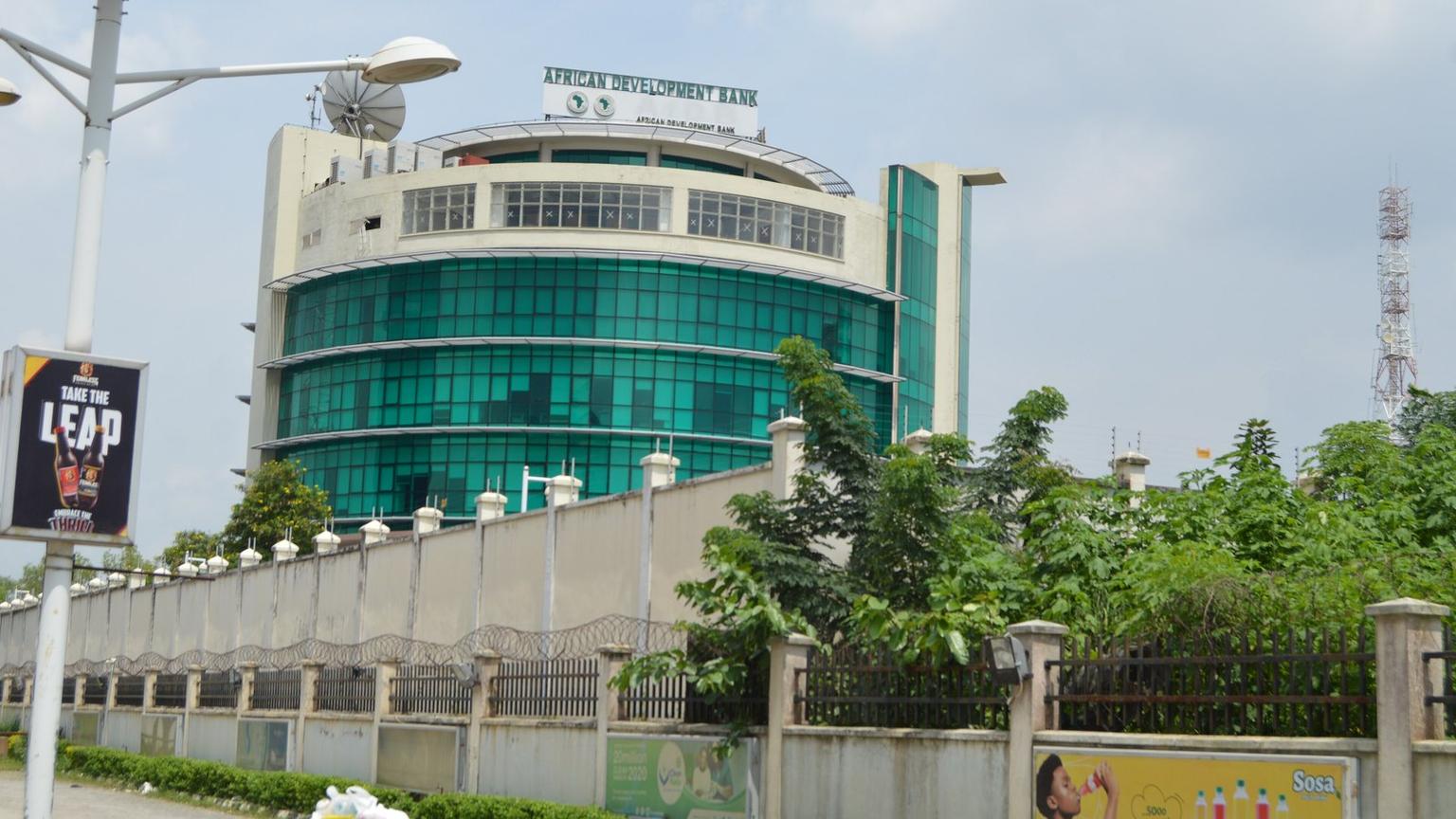
The African Development Bank (AfDB) disclosed the grant in a general procurement notice published on 18 November 2026. Ethiopia's Environmental Protection Authority will be the executing agency, and the Ministry of Industry will be an implementation partner. According to the notice, part of the money will pay for works and consulting services.
Ethiopia's allocation is part of AFLDC-2, a $21.3 million GEF-financed programme covering 11 African countries. Ethiopia's share is about 18% of that total. The AfDB's Board of Directors approved the programme in December 2024. It also covers Angola, The Gambia, Guinea, Liberia, Mauritania, Senegal, Sierra Leone, Togo, Uganda and Zambia.
Advertisement
The programme targets PCBs, certain obsolete pesticides, pollutants from uncontrolled waste burning, and mercury. Most of these are persistent organic pollutants, chemicals that resist breaking down and can build up in soil, water, animals and people over long periods. The programme offers technical assistance, training for national institutions and technology transfer. It also supports bringing circular-economy approaches into national development policy. According to the AfDB, poor waste-management infrastructure, weak regulation and limited enforcement have contributed to toxic chemicals accumulating in several of Africa's least-developed countries.
Transformers still in service
The PCB problem in Ethiopia's electricity network is large. The United Nations Development Programme (UNDP) published findings in January 2026 from a national inventory. It identified 2,435 transformers containing PCBs, of which 2,242, about 92%, were still in use at the time of the inventory. Together they held more than one million kilograms of PCB-contaminated insulating fluid. Much of it was in electrical infrastructure in densely populated urban areas.
PCBs were used in transformers because they insulate well and resist heat. However, they persist in the environment and can contaminate it when equipment leaks, deteriorates or is dismantled improperly.
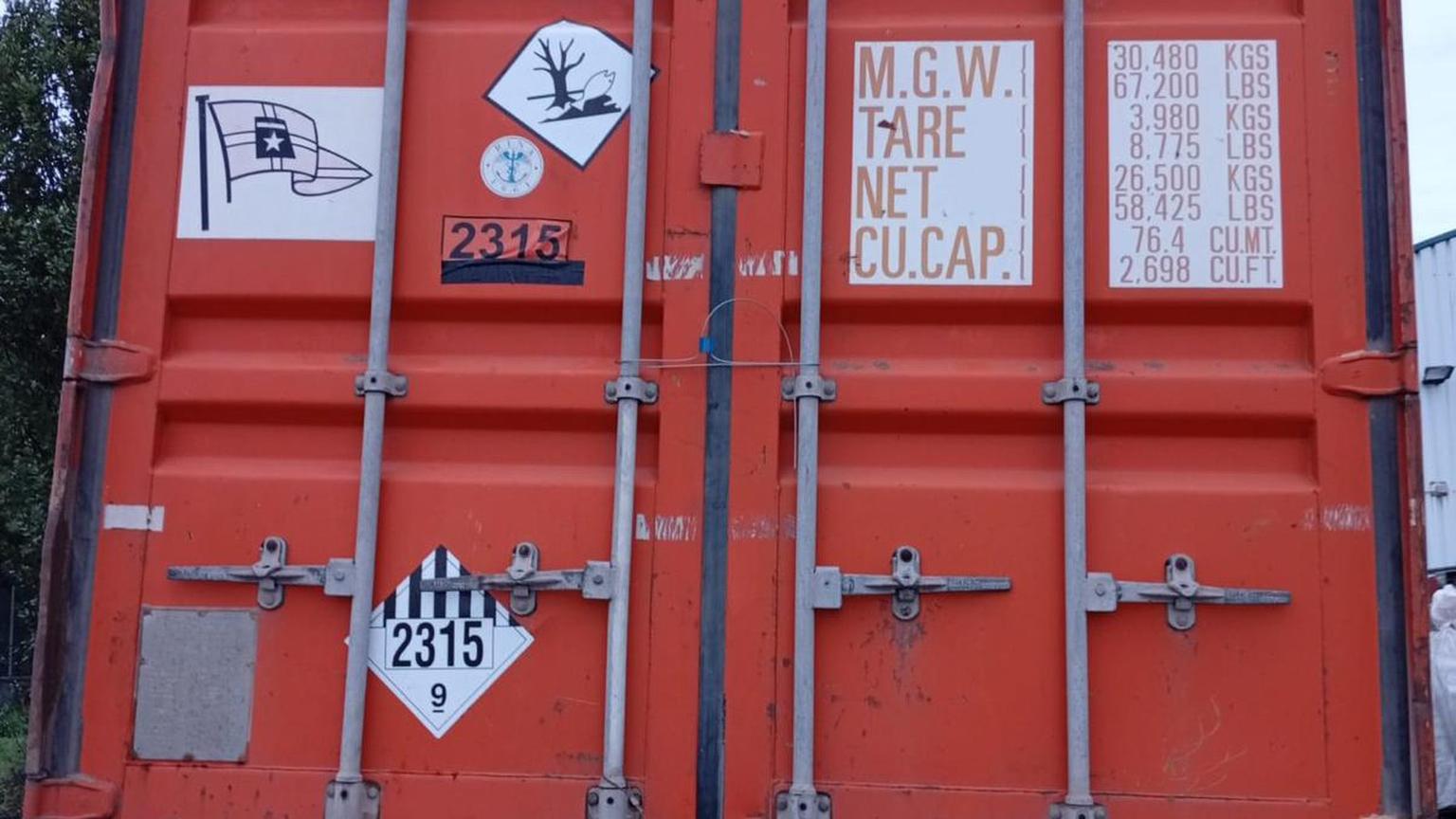
An earlier GEF-supported project, run from 2019 to 2025, gave Ethiopia $2.14 million in grant financing plus $150,000 in UNDP co-financing. That money paid for the national inventory and for systems to track and dispose of PCBs. Under that project, Ethiopia sent about 45 tonnes of PCB-contaminated waste to Spain to be destroyed at specialised hazardous-waste facilities.
Treaty deadlines
The new programme is linked to two treaties Ethiopia has joined.
Ethiopia ratified the Stockholm Convention on Persistent Organic Pollutants in 2002. The convention set December 2025 as the deadline for ending the use of PCBs in equipment. It set December 2028 as the target for environmentally sound management and final disposal of remaining PCB liquids and contaminated equipment.
Ethiopia signed the Minamata Convention on Mercury in October 2013. It approved ratification domestically in 2020 and deposited its instrument of ratification in August 2024. The treaty regulates the use, trade, storage and disposal of mercury. Mercury is used in some industrial processes and in artisanal and small-scale gold mining, where it separates gold from other material. Careless handling can contaminate waterways, soil and food chains.
Regional work on the programme began with an AfDB workshop in September 2025. Ethiopia then took part in a regional steering committee meeting in Dakar, Senegal, in October 2026. That meeting focused on speeding up implementation and drawing up time-bound action plans.
The Ethiopian procurement notice does not name the factories, industrial sites, mining operations or electricity facilities that will receive support. It also does not set out a timetable for the national work.