Humanitarian needs are rising in conflict-affected parts of Oromia, the International Committee of the Red Cross (ICRC) said on 18 November, as it set out the aid it has delivered with the Ethiopian Red Cross Society in recent weeks and warned that it cannot reach everyone.
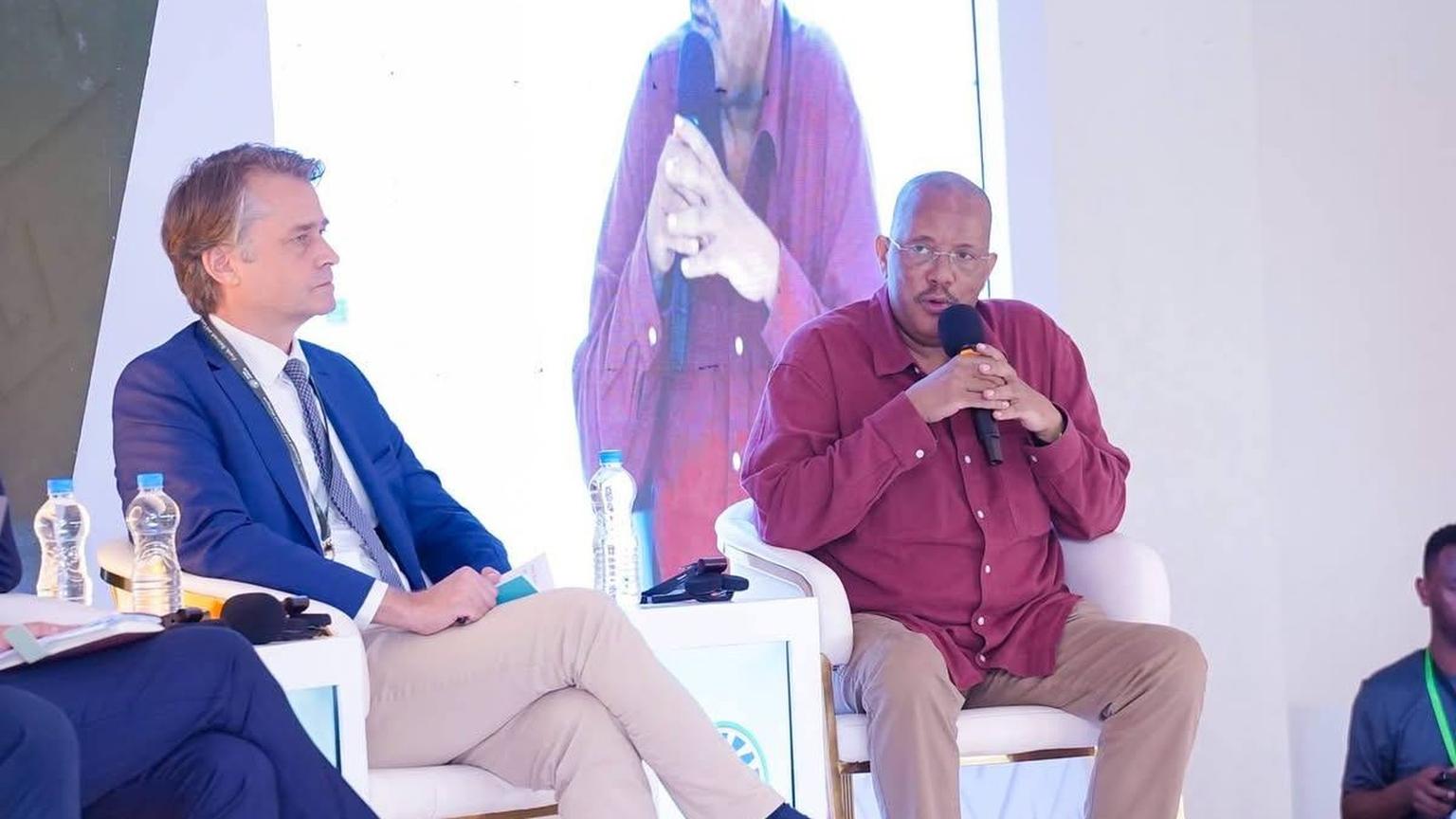
"In Oromia, we see humanitarian problems rising and we do our best to respond to the affected people's needs, but we cannot be everywhere," said Igor Moroz, the ICRC's deputy head in the region, who is based in Nekemte. He said its teams work in some of the most affected areas: East and West Wollega, Horo Guduru Wollega, Guji and Borena zones.
People in several parts of the region fear every day for their safety and livelihoods because of armed violence, the organisation said.
Advertisement
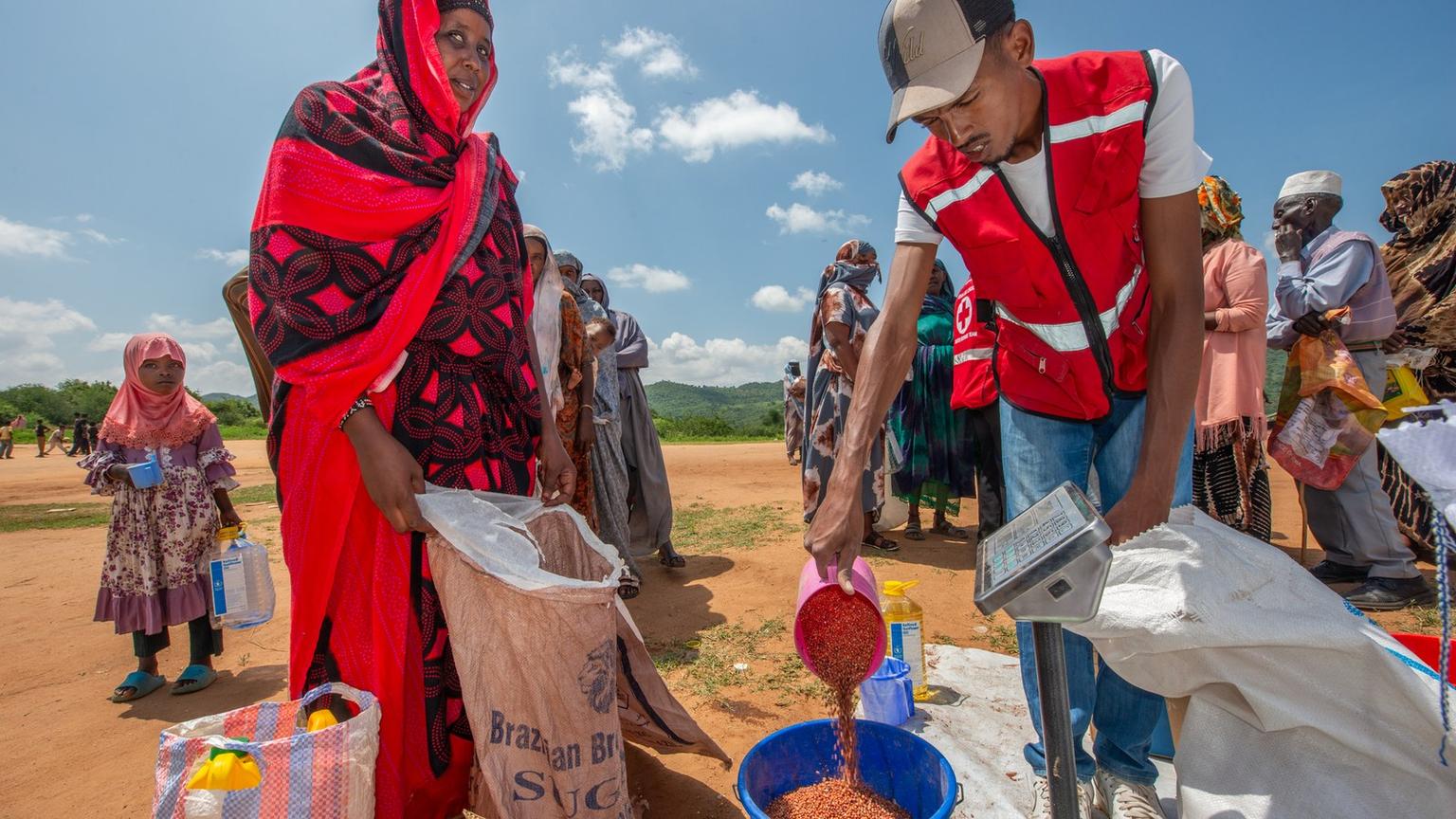
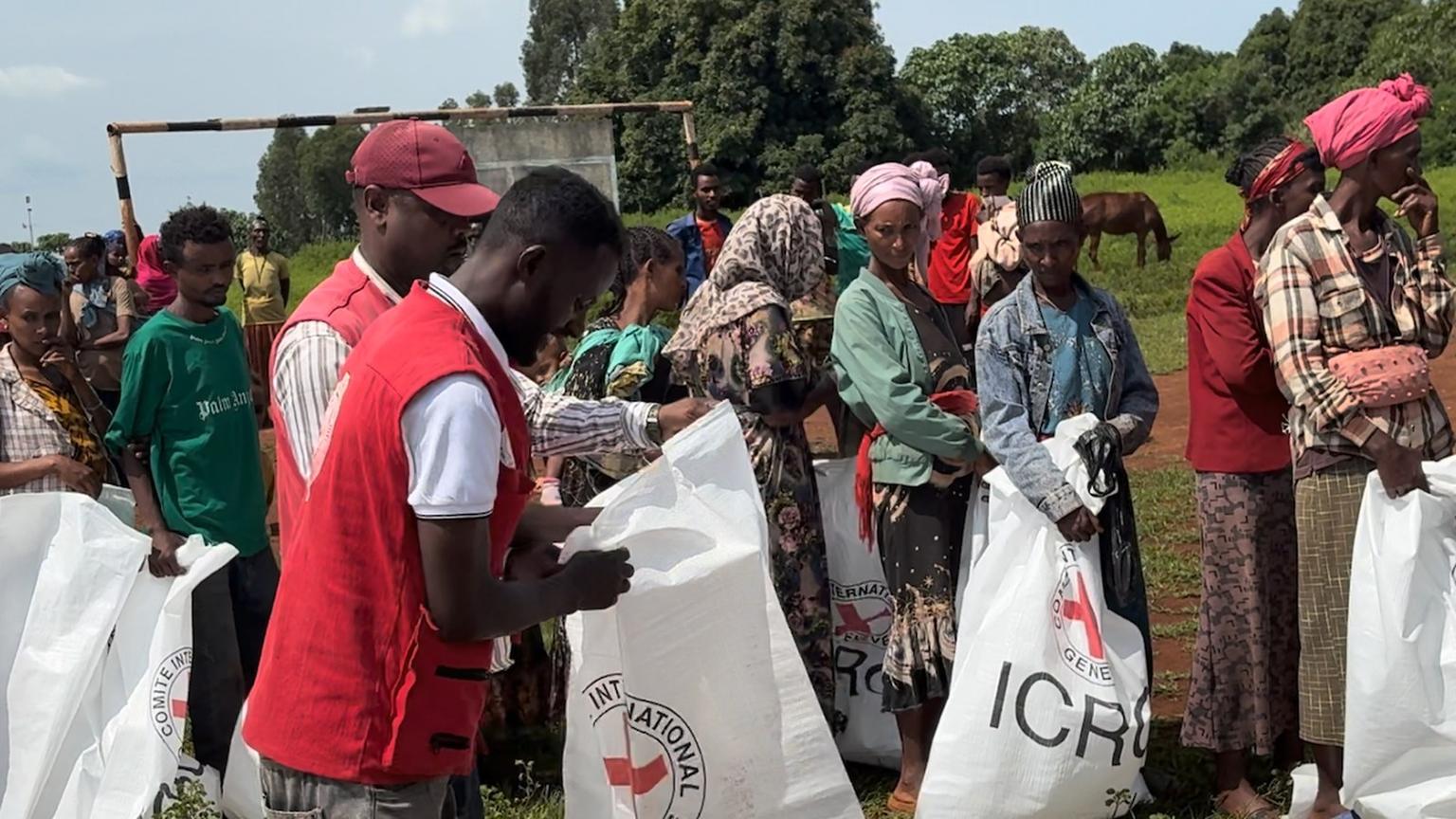
With the national society, the ICRC said, it had donated medical supplies to health facilities serving more than 125,000 patients, renovated two health centres and started work on two more. It restored more than 300 hand pumps and fitted solar power to pumps, boreholes and water systems, work it said has so far reached 90,000 people. It gave farming tools to 7,000 families in East and West Wollega, and cash to almost 2,900 families in East Wollega, West Wollega and East Borena to replace lost assets. Over the past two months it also contacted more than 70 families as part of efforts to help separated relatives restore contact.
Earlier this year, more than 2,300 displaced people received emergency help in Angar kebele in Sasiga woreda, a district in East Wollega Zone. "When we met them first, these people had no possessions," Moroz said.
The ICRC said it had met armed actors, authorities and religious and community leaders several times to press for respect for international humanitarian law, and had trained first responders in East and West Wollega on the proper management of the dead.
It also pointed to Moyale and its surroundings in the Oromia and Somali regions, on the border with Kenya, where it said continuous clashes had created a wide range of humanitarian needs. Other organisations are leading the assessments and response there, the ICRC said, but it stands ready to help through the Ethiopian Red Cross Society.
Attacks on civilians have been reported across Oromia this month. The regional government's communication chief confirmed attacks in three Wollega districts, and residents said 38 people were killed in an attack on Endeto in Robe woreda on 5 November.
The ICRC, which has worked in Ethiopia permanently since 1977, says its work in the country focuses on hard-hit areas of Amhara, Oromia and Tigray.