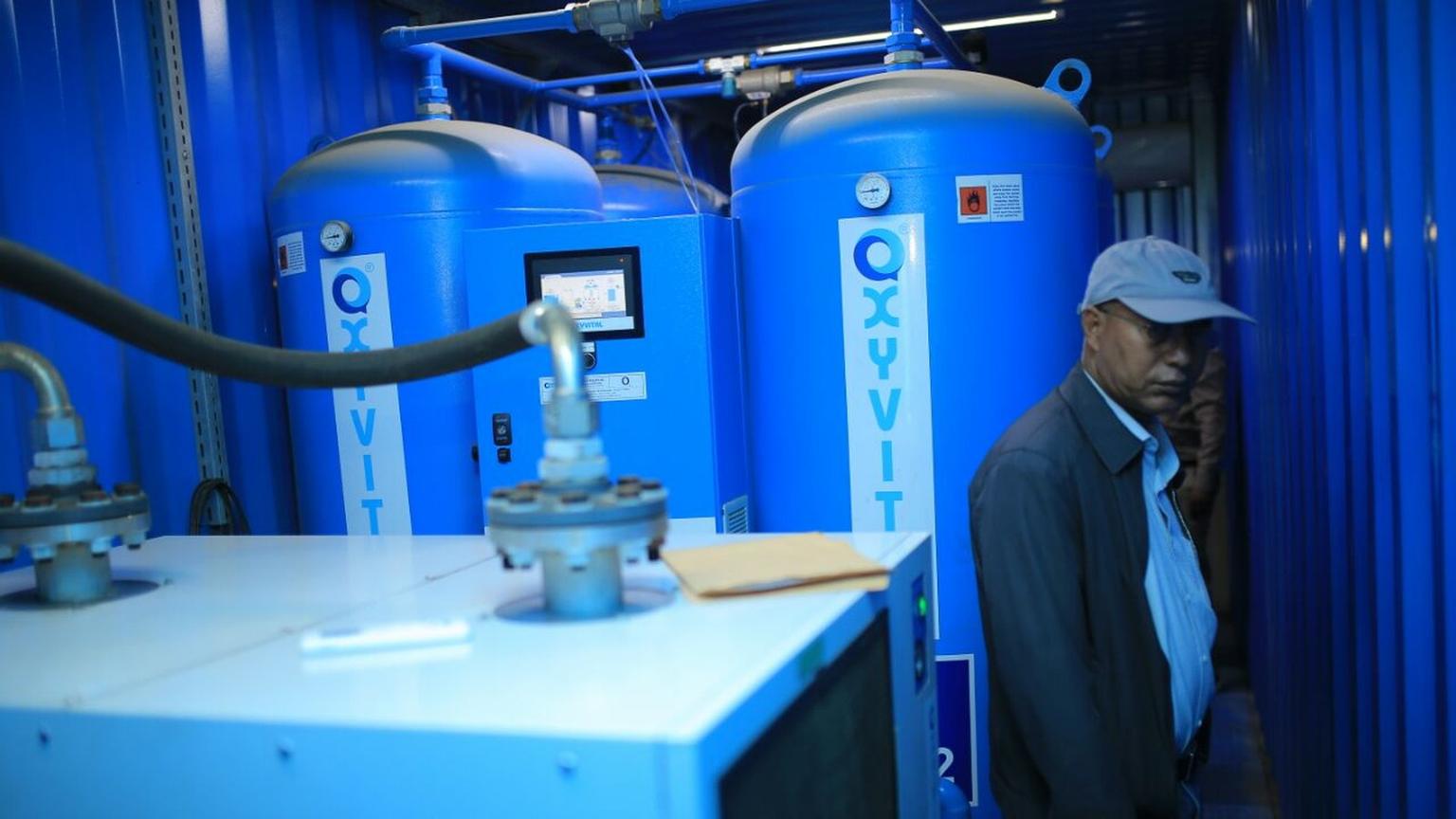
A biomedical engineering technician at Adola Hospital in Guji, southern Oromia, has built a device that produces and purifies medical oxygen from the air and feeds it directly into the hospital's pipeline network. He intends to offer it to other Ethiopian health facilities facing oxygen shortages.
The device, called Abayitu, was developed by 30-year-old Mudhataa Bariisoo. It took second place among more than 1,000 applicants in the Naggaadras competition, a national contest sponsored by the media. The award included a 500,000 birr cash prize and access to a 10 million birr loan facility. Mudhataa plans to begin commercial manufacturing of Abayitu in April 2027.
Mudhataa said the device uses little electricity to extract oxygen from atmospheric air and "delivers it safely and reliably into the hospital's existing oxygen pipeline network". He said his tests measured 96% purity at the device and again at the point where the pipeline delivers oxygen to patients.
Advertisement
Abayitu has been operating at Adola Hospital for about a year. According to Mudhataa, development took one year and five months and cost an estimated two million birr.
From cylinders to pipeline
Mudhataa has worked at the hospital for more than nine years. He said he built Abayitu after seeing patients suffer when the hospital's oxygen ran out, and after seeing staff struggle with conventional cylinders. "When they run out, refilling them becomes a challenge. The equipment is also heavy and cumbersome," he said. He added that cylinders raise safety concerns because of the high pressure involved. Abayitu instead uses a regulating valve to control the flow of oxygen.
Mohammed Nuuroo, the hospital's chief executive, said that the device can fill cylinders as well as supply oxygen through the pipeline, and that it produces 30 cubic metres of oxygen an hour. "Previously, whenever our oxygen plant required maintenance or refilling, the service would stop completely. That interruption has now been addressed," he said.
Mohammed said installing the hospital's oxygen pipeline cost about 70 million birr. He described the two-million-birr device as a potentially practical and more affordable option for health facilities across the country.
Path to the device
Mudhataa was born in Adola and went to school there. He earned a Level II Certificate of Competence in electronics through technical and vocational education before joining the hospital. With support from the Ministry of Health and the Human Bridge organisation, he later trained in medical equipment technology at Debre Markos University and earned a diploma. He also holds a bachelor's degree in computer science.