As relations between Ethiopia and Eritrea have frayed again in recent months, proposals to separate the two countries' forces with a demilitarised strip have returned. One prominent recent version comes from Jonah Brody and Robert Sofge, a retired US Marine Corps major general. Writing in Small Wars Journal, they recommend reinstating the buffer model set up after the 1998–2000 border war.
Their case rests on the Red Sea. They argue that renewed war between the neighbours would severely inflate global shipping costs. Combined with disruption from Houthi attacks and instability in the Strait of Hormuz, they say, it could turn the Red Sea into a strategic catastrophe.
Daniel Kassahun, an associate professor of geography and GIS based in Texas, sets out a different concern in a column published on 19 November. He does not dismiss the risk of war. He asks who would pay for preventing it. His central question is "peace for whom and at whose sacrifice?"
Advertisement
What the last buffer did
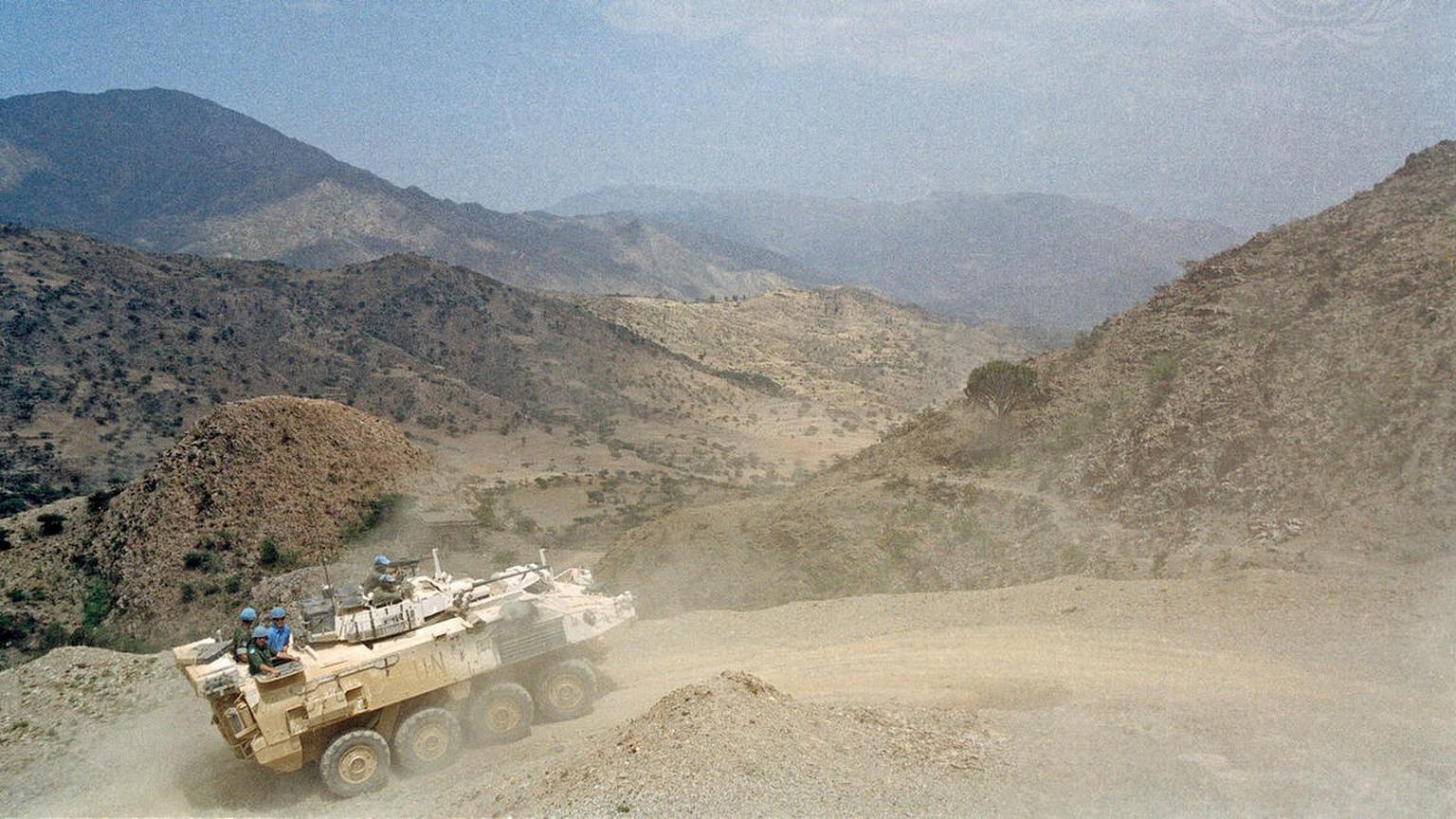
The two countries fought a border war from 1998 to 2000. A 25-kilometre Temporary Security Zone followed. Kassahun writes that it temporarily froze active hostilities, but that the arrangement proved short-lived because the underlying political grievances were not addressed and peacekeepers' mandates were constrained. The stalemate that followed the war ended with the peace declaration the two governments signed in July 2018. During the 2020–2022 Tigray war, Eritrean forces fought alongside Ethiopian federal forces.
Kassahun notes that global powers are counselling restraint while hawkish rhetoric persists, including occasional references to "hot pursuit" by officials in Addis Ababa. He argues that a demilitarised strip can deliver what the peace researcher Johan Galtung called negative peace, the absence of direct violence, without the just relationships that sustain a lasting settlement. "Silence along a border is not reconciliation," he writes.
The people inside the line
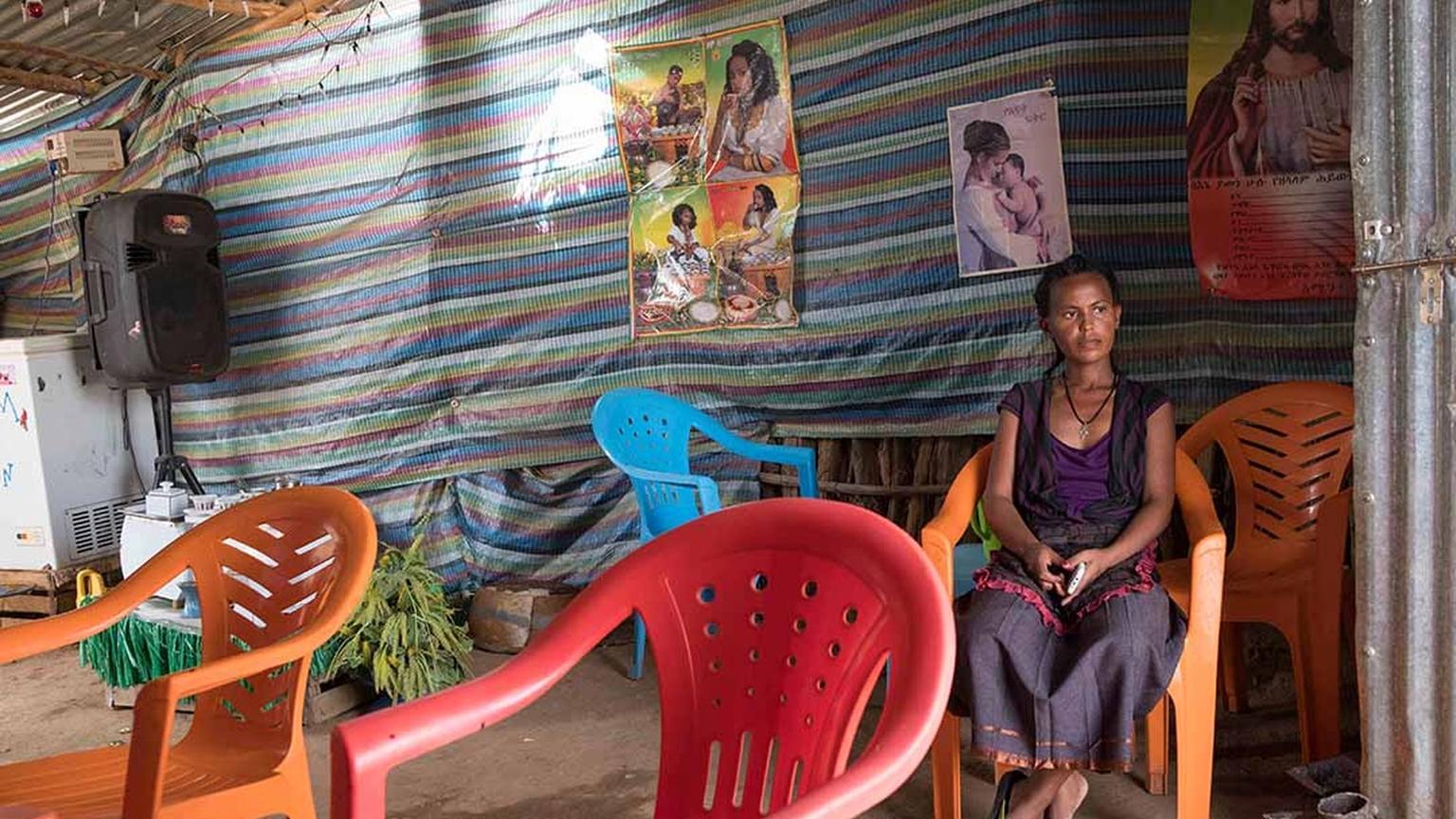
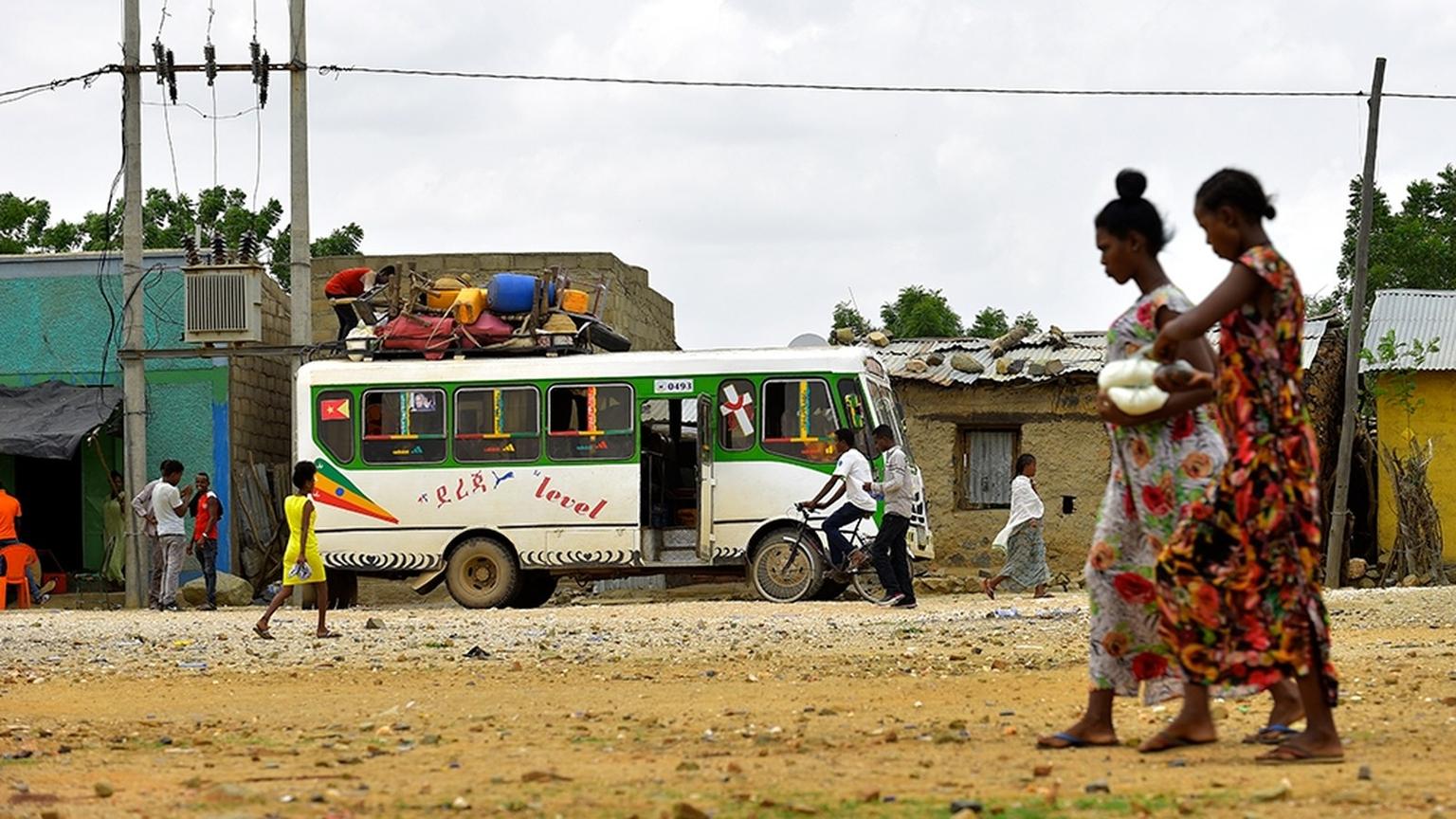
Kassahun's main objection concerns the people who live in the zone. What appears on a military map as an empty corridor, he writes, is the ancestral homeland of farmers and herders. He draws on John Agnew's idea of a "territorial trap": the habit among policymakers of treating maps as static containers and overlooking the human networks within them.
He illustrates the point with Wollo, the historical region lying between the power centres of Tigray and Shewa. Its position made it a crossroads of trade and culture, he argues, but it also exposed its population to repeated military extraction as armies passed through. In his account, a buffer zone shields the core territories on either side by absorbing the shock on their behalf, as a vehicle's crumple zone does. Unlike steel, he adds, the people in a buffer zone have lives, consent and rights.
Kassahun does not argue that buffers never work. He cites the Kalo, reserved grazing tracts kept by Karrayyu and Ittu pastoralists in the Rift Valley, which act as insurance during severe droughts and absorb competition before it turns violent. Such systems function, he argues, because they regulate access rather than block it. Since the late 20th century, he writes, ethnolinguistic federalism, weakening customary institutions and climate pressures have eroded these mechanisms. When traditional institutions collapse and movements are locked behind rigid borders, he warns, safety valves become tinderboxes.
Distance in the drone era
He also questions whether distance still protects anyone. Drones, long-range precision munitions, satellites, cyber warfare and electronic jamming, he writes, can project lethal force without troops leaving their bases, which makes spatial buffers porous. Any workable arrangement, in his view, would need explicit consent from both sides, caps on heavy weapons, limits on drones and transparent verification. Without real political commitment, he argues, monitoring arrangements become irrelevant.
Kassahun links the dispute directly to the sea. Ethiopia, he writes, cannot secure lasting maritime access through coercion, and Eritrea should not treat its neighbour's economic aspirations as a permanent threat. He argues that port access should become a matter for negotiated commercial interdependence. Ethiopia currently relies on ports in Djibouti for most of its foreign trade.
Both proposals aim to head off a war before it starts. Kassahun goes further, urging regional and global powers to apply pressure now rather than negotiate after the damage is done. They differ on whether a line on a map is the remedy or the start of a new burden. Kassahun's first condition is explicit consent from both governments.