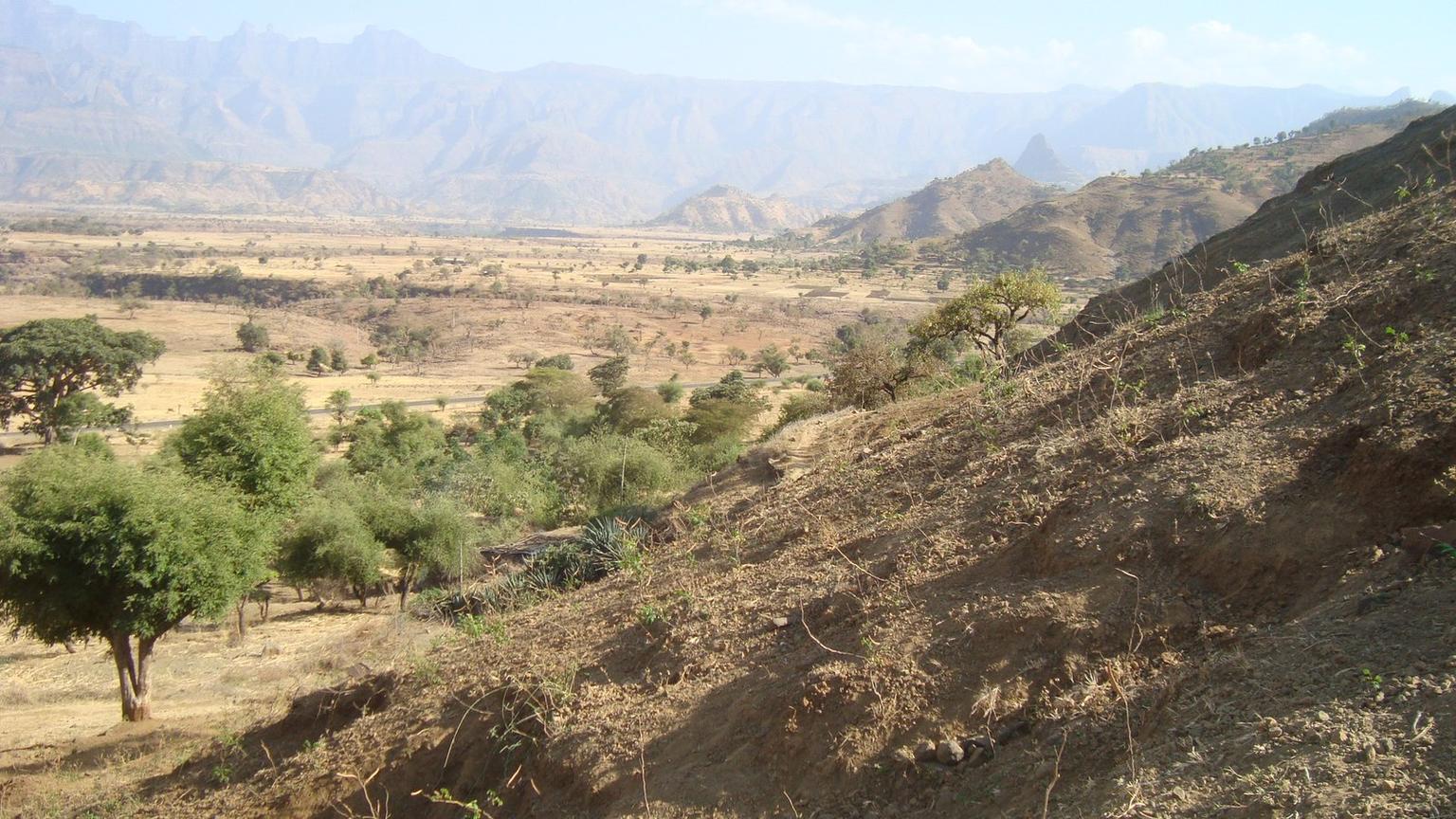
Salsay Weyane Tigray, an opposition party, has warned that severe famine is forcing residents of Lailay Tselemti woreda, a district in northwestern Tigray, to abandon their homes and migrate in search of survival.
In a statement issued from Mekelle, the party said people across the woreda were leaving their communities. It singled out areas it described as being under the control of "invaders". "The suffering of the people still finds no resolution," the party said. It added that people forced to migrate after losing what it called their protectors faced increasingly difficult conditions.
The party called on responsible authorities and relevant bodies to coordinate efforts to save lives. It also urged the wider public to speak up for children affected by hunger and displacement.
Advertisement
The warning follows growing concern over food security in Tigray. In its outlook for October 2026 to May 2027, the Famine Early Warning Systems Network (FEWS NET) warned that severe kiremt rainfall deficits, crop losses and conflict-related market disruptions could push parts of Tigray, Amhara and Afar into Emergency (IPC Phase 4) food insecurity in early 2027. It projected that the worst-affected areas of Tigray would face Emergency conditions from February 2027.
People were already going hungry before fighting resumed in Tigray in September 2026. Refugees International published an assessment on 13 November based on surveys of 452 households in Tigray, conducted in August and September. Six in 10 internally displaced households surveyed said someone had gone to bed hungry in the preceding month. Signs of acute malnutrition appeared in 23% of children screened in displacement sites. The assessment also recorded severe fuel shortages, unpaid health workers and disrupted medical services. It warned that renewed fighting, restricted humanitarian access and El Niño-related weather could make conditions worse.
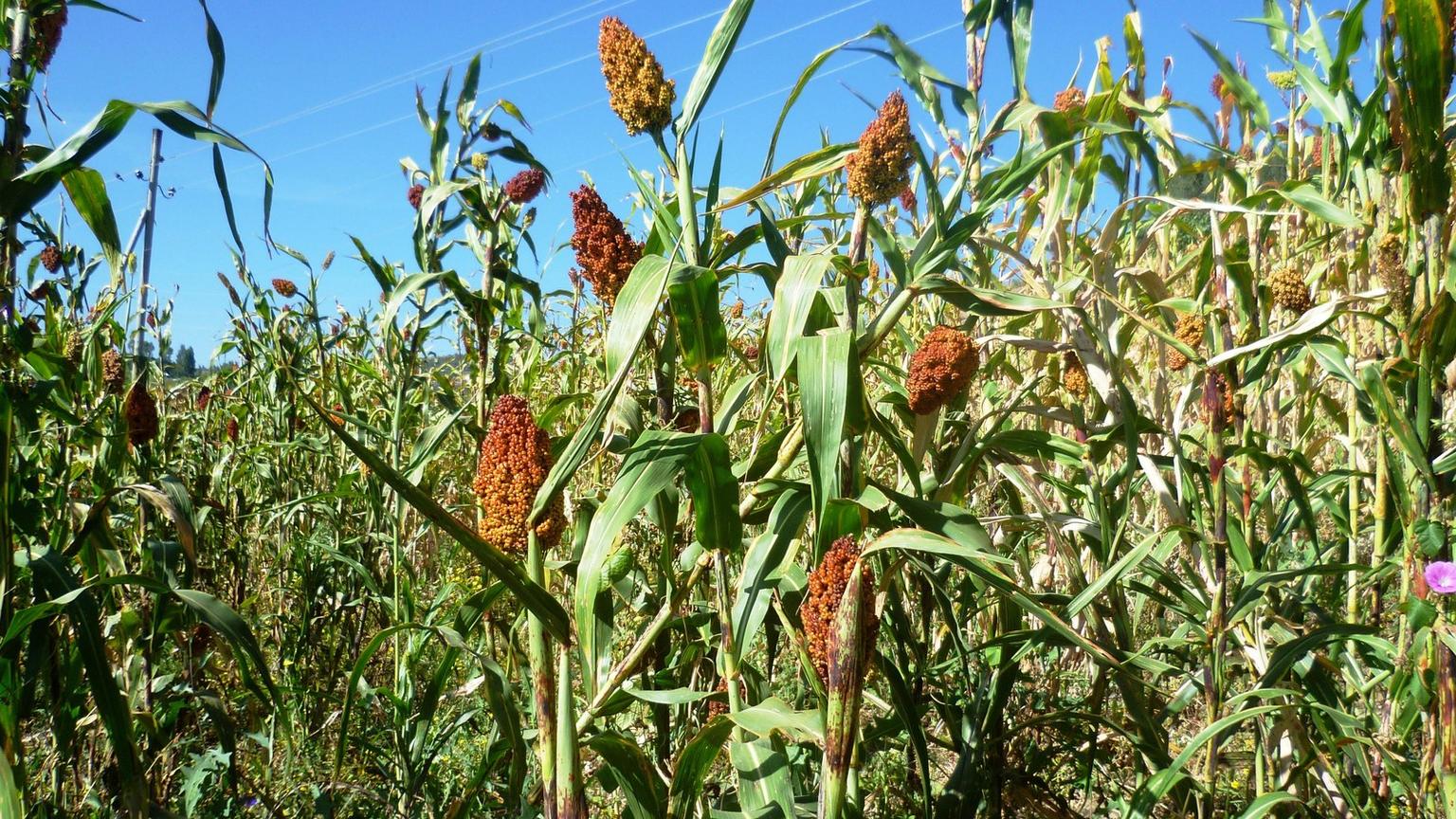
Crop failures have been reported in other parts of the region. Regional authorities said rain-fed crops planted on 26,722.5 hectares in 10 kebeles of Raya Azebo woreda, in Southern Tigray, failed because of insufficient rainfall.
Much of the party's statement dealt with politics inside Tigray. It said political divisions, hostility and military fragmentation had intensified since January 2024. It criticised what it described as a growing culture of revenge, accusing some proponents of celebrating the deaths of Tigrayan children and boasting about retaliation. The party said it viewed "the death of each and every Tigrayan child as the death of Tigray itself". It warned against actions that could serve the interests of the Prosperity Party-led federal government and Eritrea's ruling People's Front for Democracy and Justice (PFDJ), or put civilians in further danger.
The party argued that political power should serve the public rather than personal or factional interests. It rejected a victor-and-vanquished approach to Tigray's political crisis, saying that neither Tigray nor other societies could overcome complex crises through dialogue framed around winners and losers. It repeated its call for inclusive national dialogue and a comprehensive political evaluation, and urged all sides to put the welfare of civilians first.