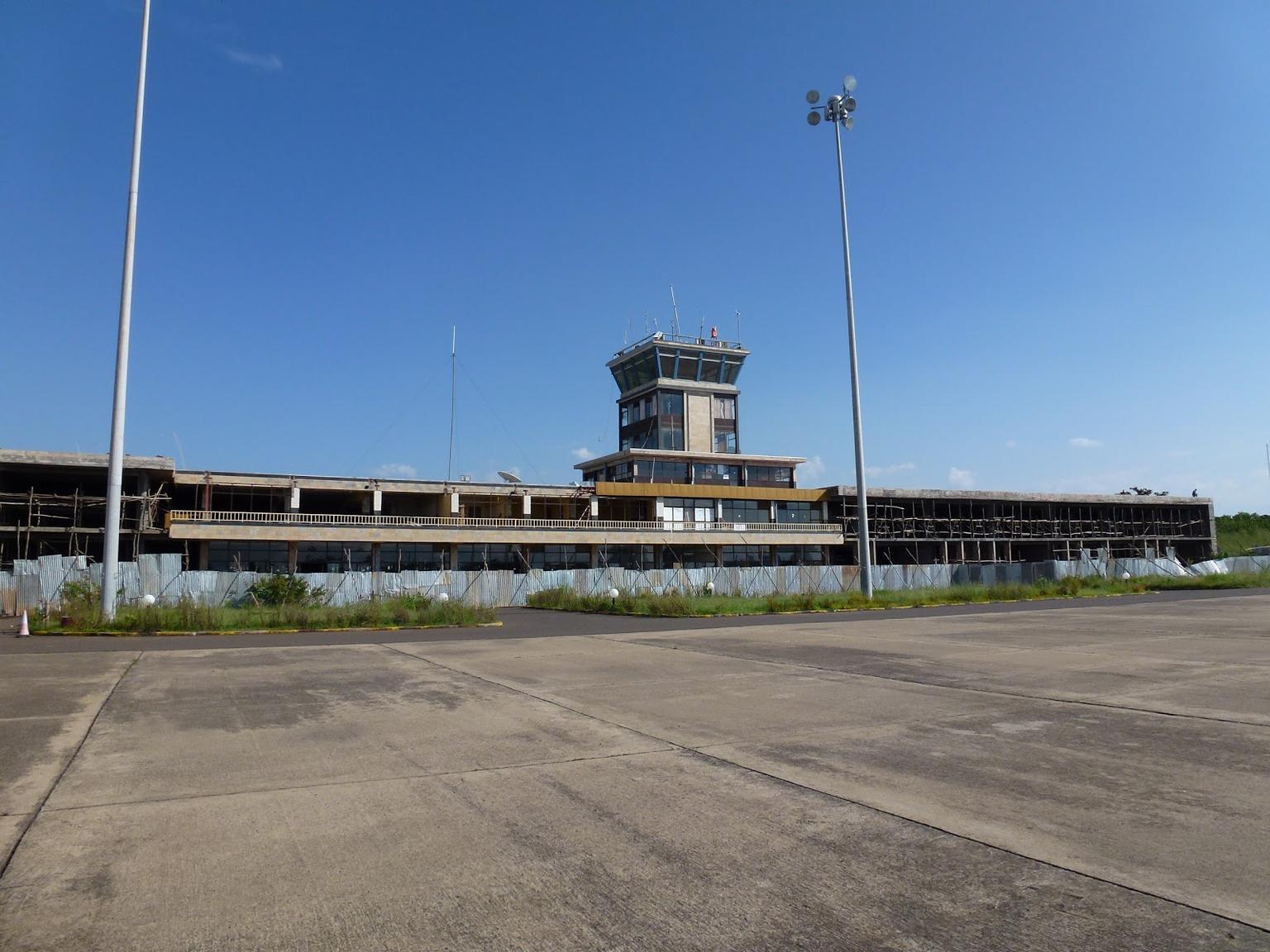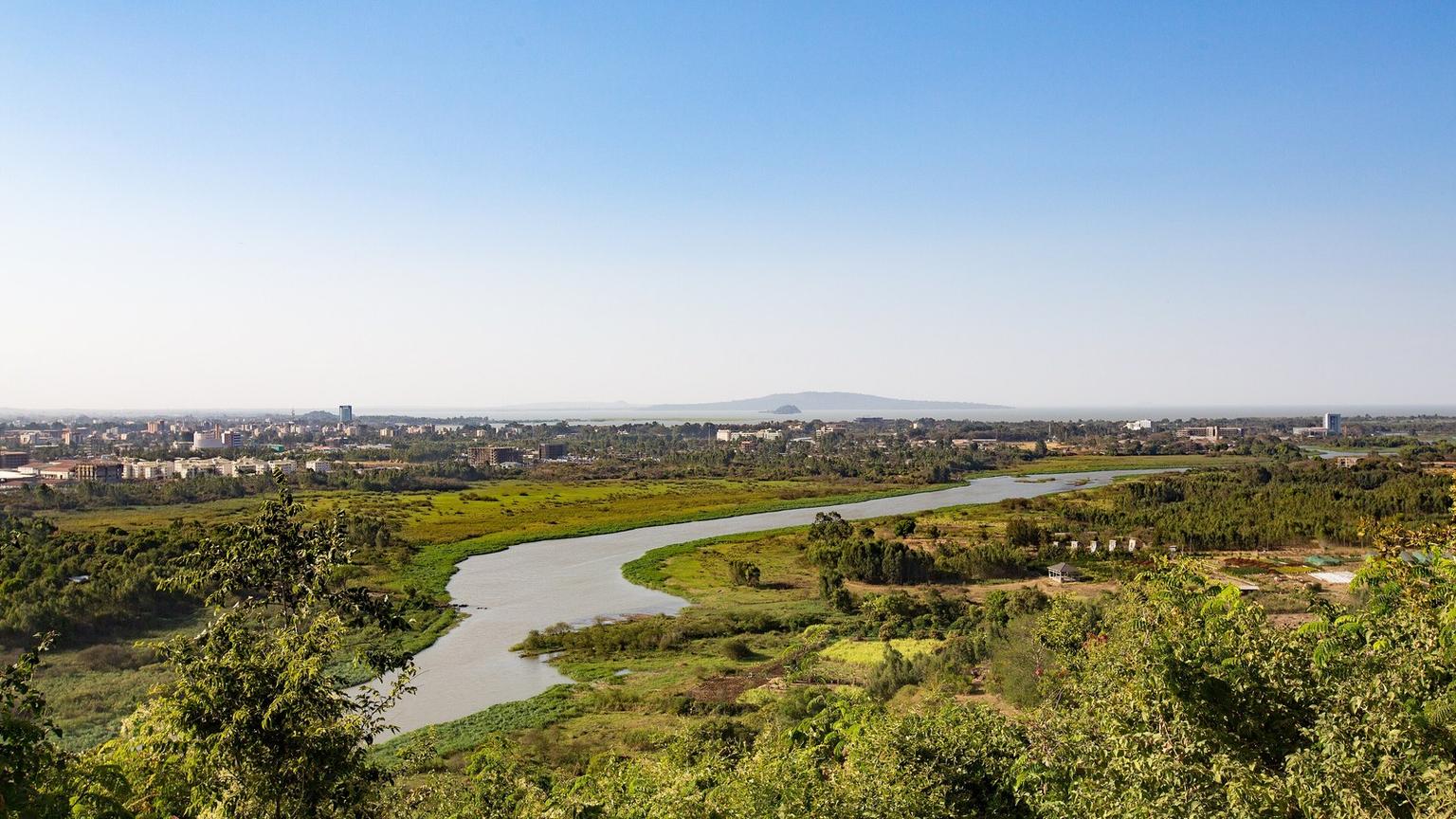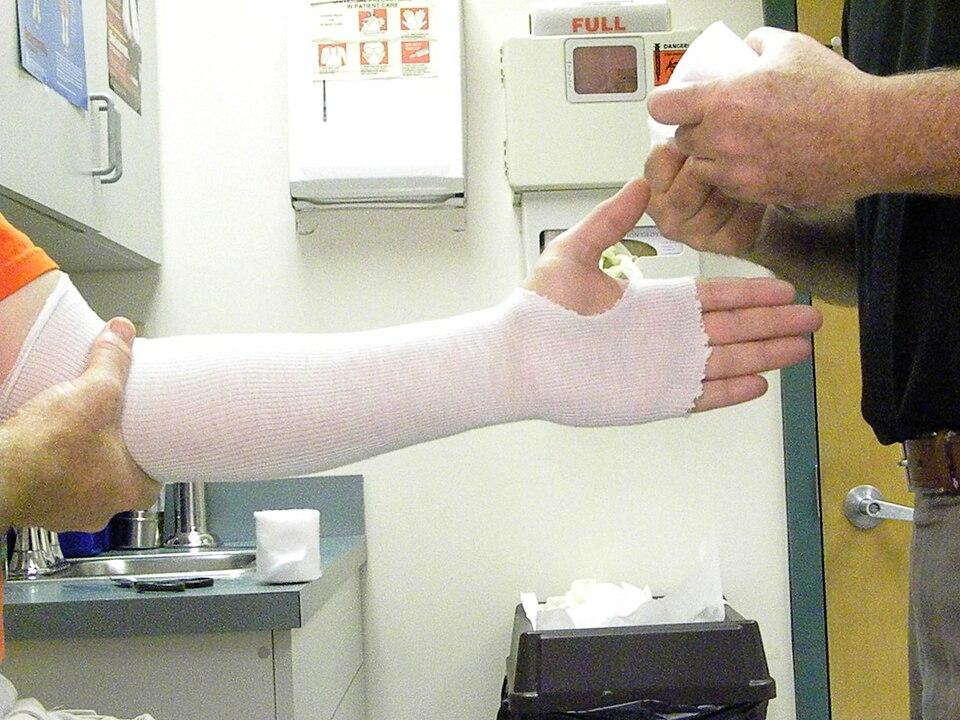
At her home in a residential neighbourhood of Bahir Dar, Birqe Yibre has spent more than 20 years treating people who come to her with painful limbs and suspected injuries. She is a wogesha, a traditional bone-setter. She says patients who can afford it typically pay 150–200 birr, while those who cannot are treated anyway.
One visitor, Yidersal Mengistu, sought her help after hurting his right foot while playing football. He told reporter Sleshi Teshome Kehali, writing for African Arguments, that he had previously visited her for heel pain and had come to trust her treatment. Rather than going to hospital, he chose to return to her for treatment.
Traditional bone-setting remains common in parts of Ethiopia. A study in Mecha district found that 46.05% of 836 respondents with a history of injury had used it. The finding is local, not a national estimate. Social acceptance was the most commonly reported reason for seeking such care in the Mecha study. But treating fractures and other serious injuries can carry risks when patients delay seeking medical assessment.
Advertisement
When an injured arm did not heal straight
In the same African Arguments report, another Bahir Dar resident, student Thomas Habtamu, described a very different experience with another local wogesha. He said he injured his left forearm in a fall during a football match and went to a wogesha because his family could not readily afford hospital care.
Thomas said the healer repeatedly massaged the arm and urged patience. He described how it remained bent, limiting heavy lifting and some exercise. He compared himself with a friend who, according to his account, had a similar injury treated surgically at a hospital and recovered the use of his arm.
Thomas's arm has not been assessed in hospital, according to the report. The precise injury and whether or how the treatment contributed to its condition have therefore not been established.
Birqe herself told the reporter she refers severe fractures and displaced bones to hospital and believes that some practitioners accept injuries beyond their competence. She said she treats conditions she considers manageable, such as muscle pulls and minor dislocations.
Why an untreated fracture can become more complicated
Biruk Ferede, an orthopaedic specialist at Tibebe Ghion Specialized Hospital in Bahir Dar, told African Arguments that some fractures heal naturally, which may make patients believe a particular treatment repaired the injury. A bone that heals in an incorrect position, a complication called malunion, can require more difficult surgery later.
He also warned that tightly bound splints can restrict circulation if an injured limb swells, particularly among children who may struggle to describe the pain or remove the binding themselves.
A 2026 study published in JBJS Open Access offers a wider picture of the dangers and the reasons some patients remain loyal to the practice. Researchers followed 1,243 people who had visited traditional bone-setters and subsequently attended eight Ethiopian tertiary hospitals for the same injury. At enrolment, 80.7% had complications. Some patients in the sample subsequently underwent amputation.
Those figures are not rates for all patients who visit bone-setters. The study specifically enrolled people who subsequently presented at specialist hospitals, so the authors caution that it is not representative of all patients receiving traditional care.
The study also found that poverty was associated with a preference for using traditional bone-setting in the future, after accounting for patients' initial preference.